
Demolition Dumpster Rental
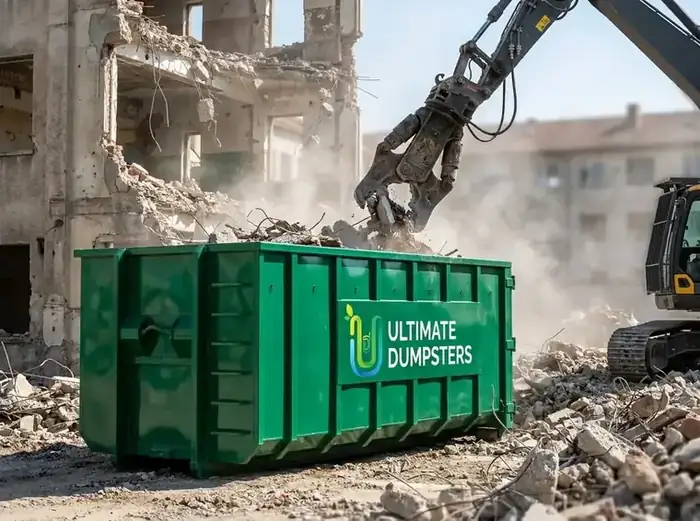
Demolition splits into two box types: bulky interior debris (drywall, framing, cabinets, flooring) in 30 or 40 yard construction roll-offs on a swap cycle, and concrete, brick and masonry in a flat-rate heavy-material box. Broken concrete weighs about 2,000 to 2,400 lbs per cubic yard, so it never goes in a large box. Federal rules require an asbestos inspection before most demolition and renovation of commercial and multi-unit buildings.
Quoted to your ZIP and project in one call. Mon-Sat, 7 AM-7 PM your local time.
Which services do demolition teams run?
Based on what we actually deliver for demolition, these are the services that carry the work. Every card links to the full page.
Dumpster Rental
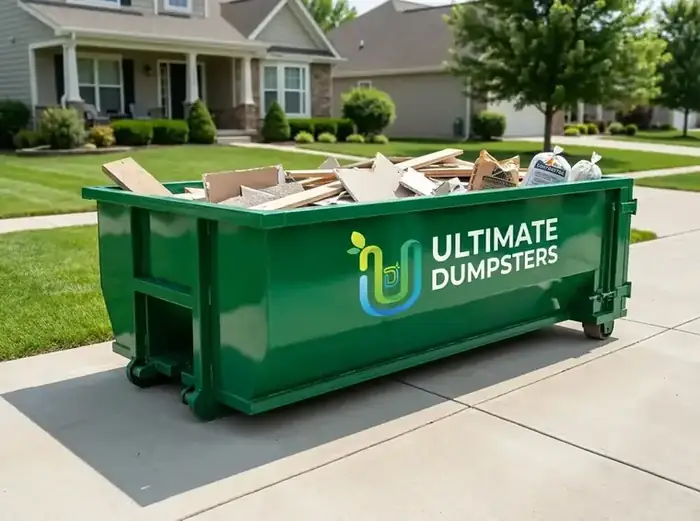
30 and 40 yard construction roll-offs on a swap cycle for bulky debris, plus flat-rate heavy-material boxes for clean concrete, brick, and asphalt.
Dumpster Rental details
Temporary Fencing
An open demo site invites trespassers; fence panels help keep the public out overnight.
Temporary Fencing details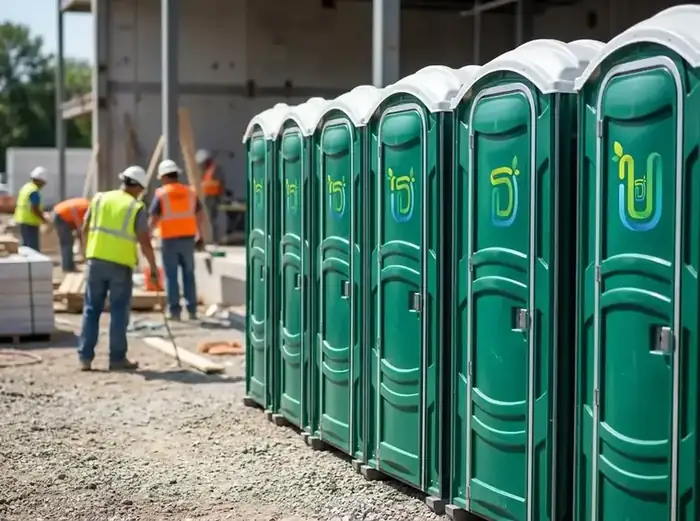
Portable Toilets
Demo crews work sites with no working plumbing; serviced units keep the crew on site and cover OSHA's crew-size table.
Portable Toilets details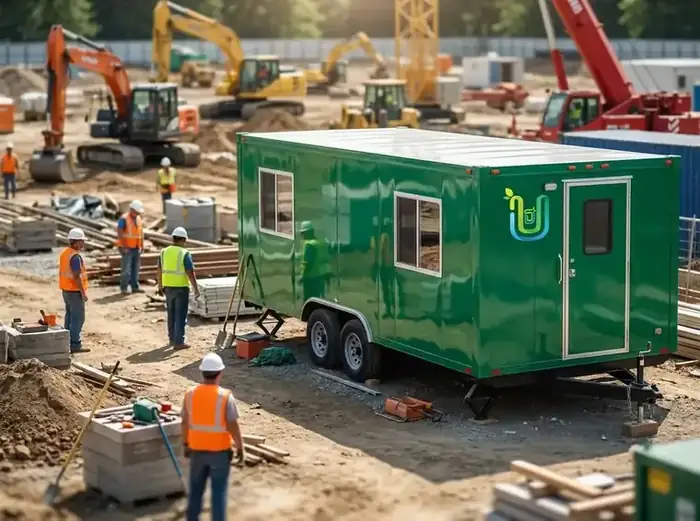
Portable Offices
Longer demo and abatement phases need a place on site for permits, manifests, and daily briefings.
Portable Offices details
Junk Removal
When a structure needs to be emptied of contents before the machines arrive, a crew that loads and hauls is faster than making your operators do it.
Junk Removal detailsHow do we work with demolition?
Demolition splits into two box types. Bulky debris (framing, drywall, cabinets, flooring) goes in 30 and 40 yard construction roll-offs on a swap cycle, and concrete, brick and block go in flat-rate heavy-material boxes so dense material never rides at mixed-debris terms. Fencing and toilets round out the site.
Demolition produces the heaviest and most mixed waste in construction. Concrete, brick, block, framing, drywall, plumbing, wiring and roofing all come down together, and broken concrete alone weighs about 2,000 to 2,400 pounds per cubic yard. Getting the debris sorted into the right box is what keeps a demo job on budget.
We set demo jobs up with standard 30 and 40 yard construction roll-offs for the bulky streams, each with its included tons (3 on a 30, 4 on a 40), and dedicated heavy-material boxes on a flat price for clean concrete, brick and asphalt, which can go to recycling instead of the landfill. Swaps start a fresh rental period and tonnage allowance, and several containers can be staged on a large site so the crew always has an empty box.
Before tear-down, federal rules require most commercial and multi-unit buildings to be inspected for asbestos, and suspected material is removed by licensed abatement contractors, never loaded into a dumpster. For larger demo work, Joe Woods sets up the account around your phasing plan.
What problems do we get called to fix?
These are the frustrations demolition teams bring to us most, and every one of them is a setup problem we solve on the first call.
Concrete and masonry exceed a standard box's included tons in a few cubic yards
Active demo needs a fresh box staged before the current one fills
Asbestos and lead identification has to happen before debris is loaded
Large sites need containers staged in different zones at the same time
Which dumpster sizes do demolition teams use?
The sizes demolition work uses most. Typical prices are the 10th to 90th percentile of our live price list across 40,000+ ZIP codes, updated nightly, with delivery, pickup, disposal and the included tons in the one price. Your ZIP sets the exact number, or call (866) 858-3867.
Cubic Yard Dumpster
Cubic Yard Dumpster
Which container does each demolition waste stream need?
| Waste stream | Container or service | Why |
|---|---|---|
| Interior gut (drywall, framing, cabinets) | 30 or 40 yard construction roll-off | Swap as it fills |
| Concrete slabs, brick, block | Heavy-material box | 2,000 to 2,400 lbs per cubic yard |
| Scrap metal | Separate pile for a scrap yard | Often has resale value |
| Asbestos-containing material | Licensed abatement contractor | Never a dumpster load |
How does the weight math work on a real job?
Worked example: Breaking out a 20 x 20 ft patio slab
A 4 inch slab of 20 x 20 ft is about 133 cubic feet, or 4.9 cubic yards. Broken up at 2,000 to 2,400 lbs per yard that is about 9,900 to 11,900 lbs, roughly 5 to 6 tons, which belongs in a heavy-material box on a flat price, not a 30 yard that includes 3 tons.
Weights are the planning figures published in our disposal guides and calculators; included tons are the standard allowance per size. Real loads vary with moisture and how tightly they are packed.
Rules and sources
Straight Talk From Our Team
“Contractors, this is your number, not the homeowner's. A full interior tear-out will find the ceiling on a 20 yard fast. Tell me what you are demoing and I size the box and the allowance to it up front. One call and the overage conversation never happens.”

Joe Woods
Commercial & National Accounts Specialist, Ultimate Dumpsters. To demolition contractors
Demolition questions, answered by our team
Real answers from the people who run demolition service every day. If yours isn't here, the phone gets you a person, not a menu.
Bulky demo debris usually goes in 40 yard roll-offs, often several over the course of the job, with a 30 yard for smaller interior gut-outs. Concrete and masonry go in separate heavy-material boxes, because a few cubic yards of concrete already exceeds a large box's included tons.
Answered by Judi K., Site Services Specialist
Keep them separate. Clean concrete, asphalt, and brick go in a flat-rate heavy box and can be recycled; mixing them into a general demo box pushes it over its weight allowance. Metal is often worth pulling for scrap.
Answered by Michael V., Head of Operations
Same-day or next-day swaps are available in many areas, and on large jobs a second box can be staged on site so the crew is not waiting. Tell us the pace of the job and we set the swap cycle to it.
Answered by Michael V., Head of Operations
Asbestos-containing materials, chemicals, liquids, and large amounts of lead paint debris cannot go in a dumpster. Federal rules require most commercial and multi-unit buildings to be inspected for asbestos before demolition, so get the survey done before tear-down.
Answered by Michael V., Head of Operations
Yes. Temporary chain-link fence panels with weighted bases help keep unauthorized people out of the demo zone during work hours and overnight.
Answered by Michael V., Head of Operations
Each swap-out is a fresh container with its own rental period and tonnage allowance, so heavy demo debris is metered box by box instead of piling overages onto a single rental. If you are moving serious volume across multiple sites, get me on the phone and we will structure the account properly.
Answered by Joe Woods, Commercial & National Accounts Specialist
Real Reviews From Real Orders
Rated 4.3/5 across 2,238 Google reviews of our locations. Check them yourself, they're public.
Ultimate dumpsters Brooklyn and ultimate dumpsters Staten island always come through whenever we need a roll off dumpster in either city.
Rented a dumpster from Ultimate Dumpsters while clearing out my dads old garage and holy crap we had way more junk than I thought 😂. Delivery guy was cool as hell and even helped me figure out the best spot to put it. P...
Visited some family in Staten Island, needed to do an estate clean out. Mike and the Ultimate Dumpster Staten Island team got us a 30 yard container same day and picked up on Saturday when we were leaving town. Great ser...
Put Your Demolition Work on One Phone Number
Tell us the project, the address, and the timeline. We spec the equipment, set the schedule, and quote it straight, in one call.