
How to Get Rid of Old Furniture
Old furniture is one of the most common items placed in roll-off dumpsters during cleanouts, moves, and renovations. This guide covers what furniture is accepted, how to maximize your dumpster space, and alternatives like donation and junk removal.
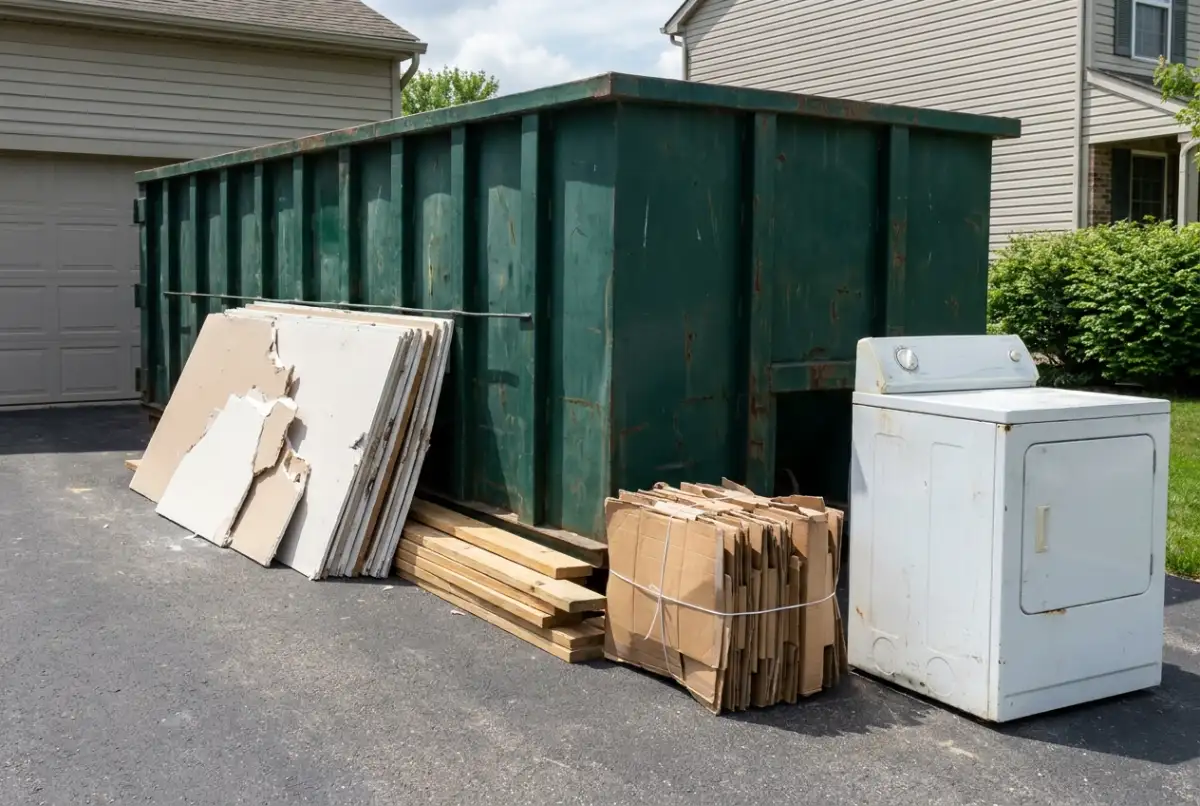
The short answer
To get rid of old furniture, you can load it into a roll-off dumpster (best for a whole house or multiple rooms), use a junk removal service for a few pieces, donate usable items to a charity like Habitat for Humanity ReStore, or schedule a city bulk pickup. Self-hauling to a landfill runs $20 to $50 plus you need a truck, and leaving furniture at the curb without a scheduled pickup can bring a $50 to $500 fine. If you are already renting a dumpster, furniture is the easiest thing to add.
Overview
Nearly all types of furniture can go in a roll-off dumpster, including couches, beds, tables, dressers, desks, and outdoor furniture. Furniture is bulky but relatively light, so your main concern is volume rather than weight. Breaking down furniture before loading can save you an entire dumpster size.
What Can and Cannot Go in a Dumpster
Accepted in a Dumpster
- Sofas, couches, and loveseats
- Mattresses and box springs
May incur a surcharge in some areas.
- Bed frames (wood and metal)
- Dressers, nightstands, and armoires
- Tables (dining, coffee, end tables)
- Chairs (dining, office, recliners)
- Desks and bookshelves
- Entertainment centers and TV stands
- Outdoor furniture (patio sets, deck chairs)
- Futons and sleeper sofas
- Filing cabinets and storage units
- Cribs and children's furniture
Not Accepted / Special Handling Required
- Furniture contaminated with hazardous materials
Furniture exposed to chemical spills, biohazards, or mold may require specialized disposal.
- Furniture with built-in refrigeration
Wine cooler cabinets and mini-bar furniture with cooling units contain refrigerant.
Best Dumpster Size for Furniture
Recommended container sizes based on typical furniture project scope.
10 Yard
12' x 8' x 3.5' | 1 ton
A few large pieces of furniture from a single room or garage cleanout.
View Size Details15 Yard
16' x 7.5' x 4.5' | 1.5 tons
Multiple rooms of furniture from a move or downsizing project.
View Size Details20 Yard
22' x 7.5' x 4.5' | 2 tons
Full-house furniture disposal, estate cleanout, or large office furniture purge.
View Size DetailsWeight Considerations
Average weight: 100 - 200 lbs per cubic yard (mixed furniture)
Furniture is one of the lightest common dumpster materials by volume. The challenge is that furniture is bulky and irregularly shaped, creating large air pockets in the dumpster. An unbroken couch might take up 3 cubic yards but weigh only 150 lbs. Breaking down furniture and filling cavities dramatically improves space efficiency.
Weight Tips
- Furniture fills volume, not weight. Choose your dumpster based on the number of items and their size.
- A 10-yard dumpster holds approximately 1-2 rooms of furniture. A 20-yard holds a full house.
- Disassembled furniture takes up 30-50% less space than whole pieces.
- Heavy wood furniture (oak dressers, solid wood tables) weighs more per piece but still will not approach weight limits.
Disposal Tips for Furniture
Disassemble everything possible
Remove legs from tables, take apart bed frames, separate cushions from couches, and remove drawers from dressers. This single step can reduce your volume needs by 30-50%.
Remove and bag cushions separately
Couch and chair cushions are bulky and compressible. Remove them and stuff them into gaps between other items or compress them in bags.
Fill hollow furniture with small items
Dressers, desks, and shelving units have empty interior space. Fill drawers, shelves, and cavities with small items, bags of clothing, or loose debris.
Stack flat items vertically
Table tops, shelving boards, and mattresses can lean against the dumpster walls to maximize floor space for other items.
Load large items first
Place the biggest pieces (couches, mattresses, large desks) in first, then fill the remaining space with smaller items.
Disposal Regulations
Mattress disposal regulations vary by state. Connecticut, California, and Rhode Island have mattress recycling programs funded by point-of-sale fees.
Some municipalities offer periodic bulk waste pickup for large furniture items at no additional cost to residents.
Furniture donation to registered nonprofits may qualify for a tax deduction. Keep donation receipts for your records.
Upholstered furniture placed outdoors for more than a few days may violate local nuisance ordinances in some areas.
Environmental Considerations
The EPA estimates that over 12 million tons of furniture end up in U.S. landfills annually. Donating, reselling, and recycling furniture keeps usable items in circulation and reduces landfill burden.
Eco-Friendly Disposal Tips
- Donate usable furniture to Goodwill, Salvation Army, Habitat for Humanity ReStore, or local shelters.
- Sell furniture in good condition through Facebook Marketplace, Craigslist, or consignment shops.
- Post free furniture on Buy Nothing groups or Freecycle for local pickup.
- Wooden furniture can be refinished and repurposed rather than discarded.
- Metal furniture frames are recyclable as scrap metal.
Ready to Rent a Dumpster for Furniture?
Get an instant quote for the right dumpster size. Most orders delivered within 24 hours.
Which tools and prices help with furniture?
- Weight estimator: add up debris weight by material
- Cubic yard calculator: measure your debris pile
- Dumpster prices: live all-in prices by size
- Order online: get your exact price by ZIP
- Dumpster sizes: 10 to 40 yards compared
Sources
- U.S. EPA: Volume-to-weight conversion factors: Reference weights per cubic yard for common waste materials.
- U.S. EPA: Construction and demolition debris: National C&D generation and recycling figures.
- U.S. EPA: Household hazardous waste: What must stay out of the dumpster and where it goes.
How these numbers are set: weights per cubic yard are planning ranges for loose debris, consistent with the EPA conversion factors above; included tons are Ultimate Dumpsters' standard allowances by size. Real loads vary with moisture and packing.
Straight Talk From Our Team
“The weight estimator is the one I wish every customer used first. People size by how big the pile looks, but a load of concrete or dirt or wet drywall hits the tonnage limit while the box still looks half empty. Run the weight before you pick the size and the overage surprise just goes away. That is the whole reason we built it.”

Michael V.
Head of Operations, Ultimate Dumpsters. Weigh it before you pick the size
Furniture Disposal FAQs
Common questions about disposing of furniture in a dumpster.
Yes. Couches and sofas are among the most common items placed in roll-off dumpsters. For maximum space efficiency, remove the cushions, and if possible, cut the frame into smaller sections. A standard couch takes up about 2-3 cubic yards of space.
For a few large pieces from one room, a 10-yard dumpster is sufficient. For multiple rooms of furniture, choose a 15-yard. For a full-house cleanout with furniture from every room, a 20-yard is the most popular choice. Breaking down furniture can allow you to choose one size smaller.
If the furniture is in usable condition (no significant stains, tears, or structural damage), donating is the better choice; it helps others, supports charitable organizations, and may qualify for a tax deduction. If the furniture is damaged beyond use, placing it in a dumpster is the most practical disposal method.
Yes, in most areas. Mattresses are bulky but accepted in roll-off dumpsters. Some locations charge a small mattress surcharge. Stand mattresses upright against the dumpster wall to save floor space. Some states have mattress recycling programs; check if one exists in your area.
For a few pieces of furniture, junk removal may be comparable or cheaper since the crew handles all loading. For a full room or full house of furniture, a dumpster is significantly more cost-effective: a 20-yard dumpster at $625-$895 holds an entire house of furniture, while junk removal runs $895 per full truckload and a whole house usually takes more than one load.
Get Your All-Inclusive Price Today
One call. One price. Zero surprises. Get a real quote in minutes from one of America's highest-rated dumpster & site-service companies.
- No obligation
- Same-day available
- No hidden fees
Get my instant price
Enter your ZIP. See availability & pricing in seconds.

Live agents standing by
Real people answer, no phone trees