Waste Management as a Business Function
Every business generates waste. A restaurant produces food scraps, packaging, and service ware. A retail store generates cardboard, plastic wrap, and damaged inventory. A construction company produces concrete, lumber, and mixed demolition debris. An office building generates paper, food waste, and general trash.
The question is not whether you need waste management; it is whether your current setup is optimized. Most businesses treat waste disposal as a set-it-and-forget-it expense. They signed a contract years ago, the dumpster gets emptied on schedule, and the monthly invoice gets paid without scrutiny. That passive approach almost always leads to overspending.
An optimized waste management setup matches container size to actual waste volume, pickup frequency to actual generation rate, and service level to actual needs. It leverages recycling to reduce disposal costs. It ensures regulatory compliance. And it treats waste management as a controllable business expense, not a fixed cost.
Service Types for Commercial Customers
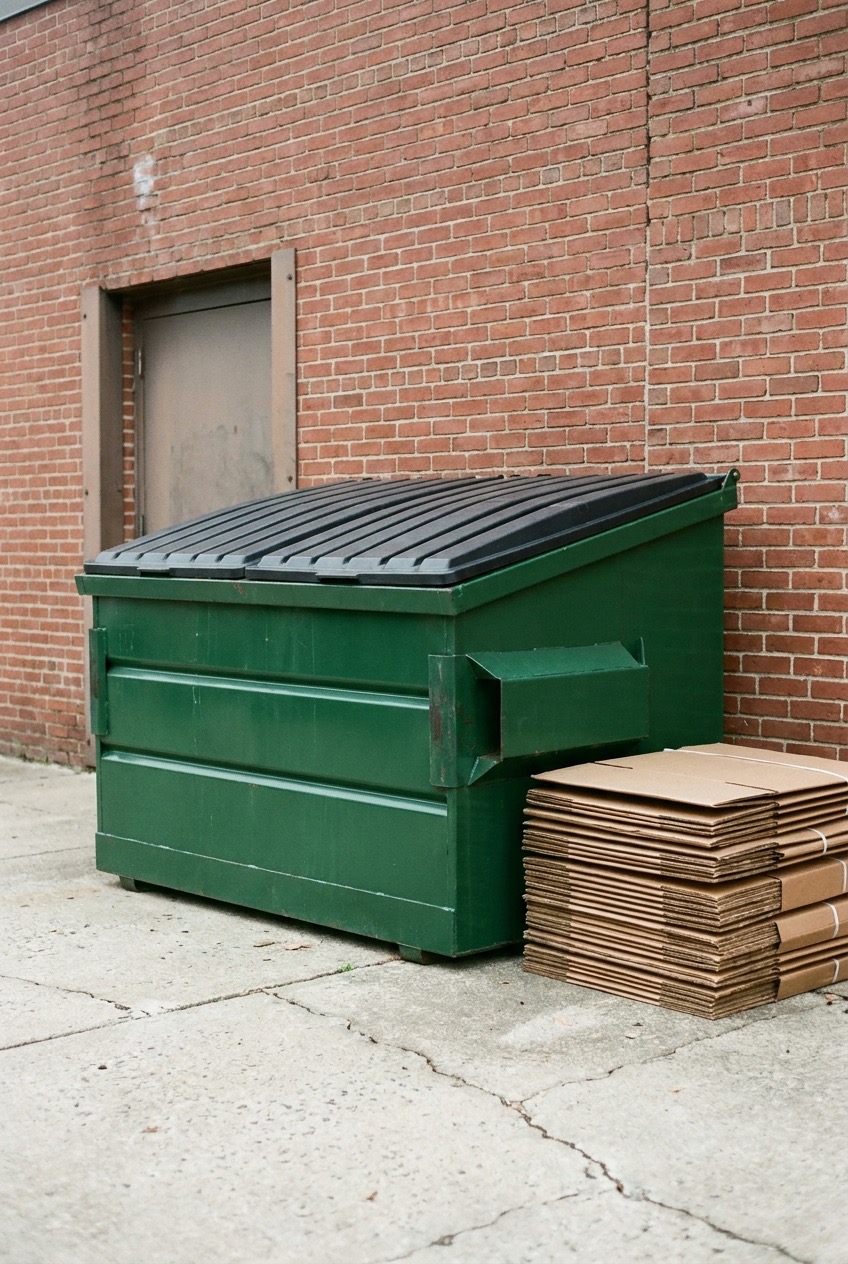
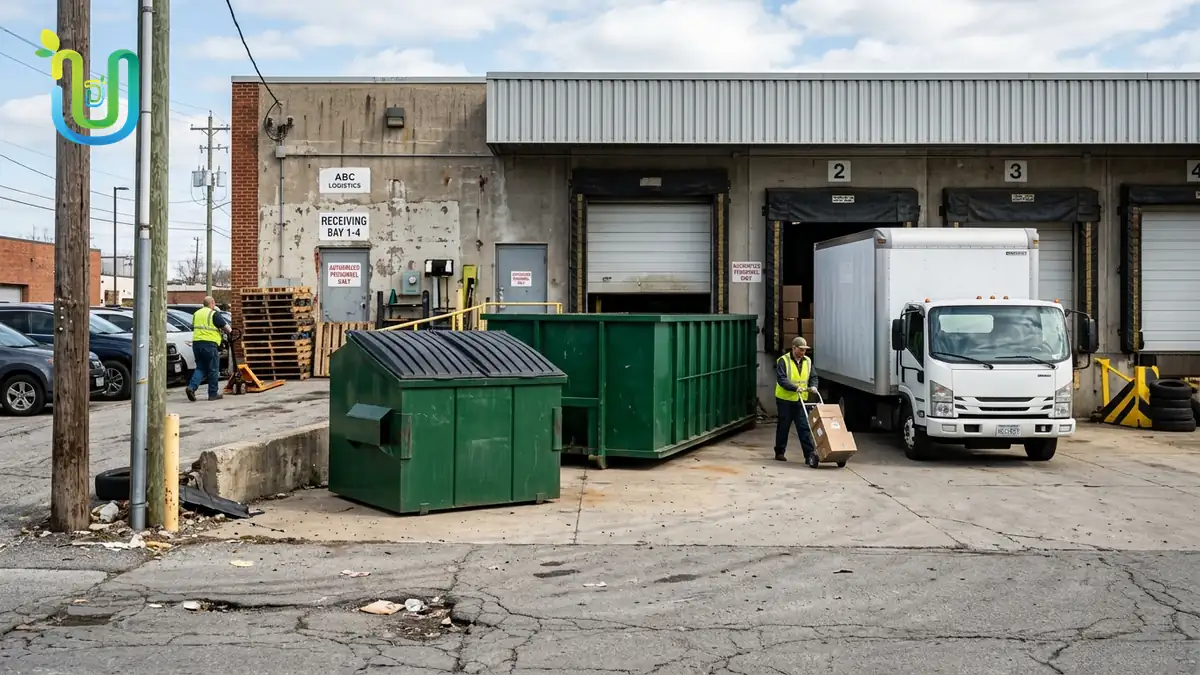
Scheduled front-load service. The backbone of commercial waste management. A front-load dumpster (2 to 8 cubic yards) sits at your location and is emptied on a fixed schedule: once per week, twice per week, three times per week, or daily. The garbage truck lifts the container, dumps its contents, and sets it back down. You pay a flat monthly fee based on container size and pickup frequency.
This service suits restaurants, retail stores, offices, apartment buildings, schools, churches, and any business that generates waste at a steady, predictable rate.
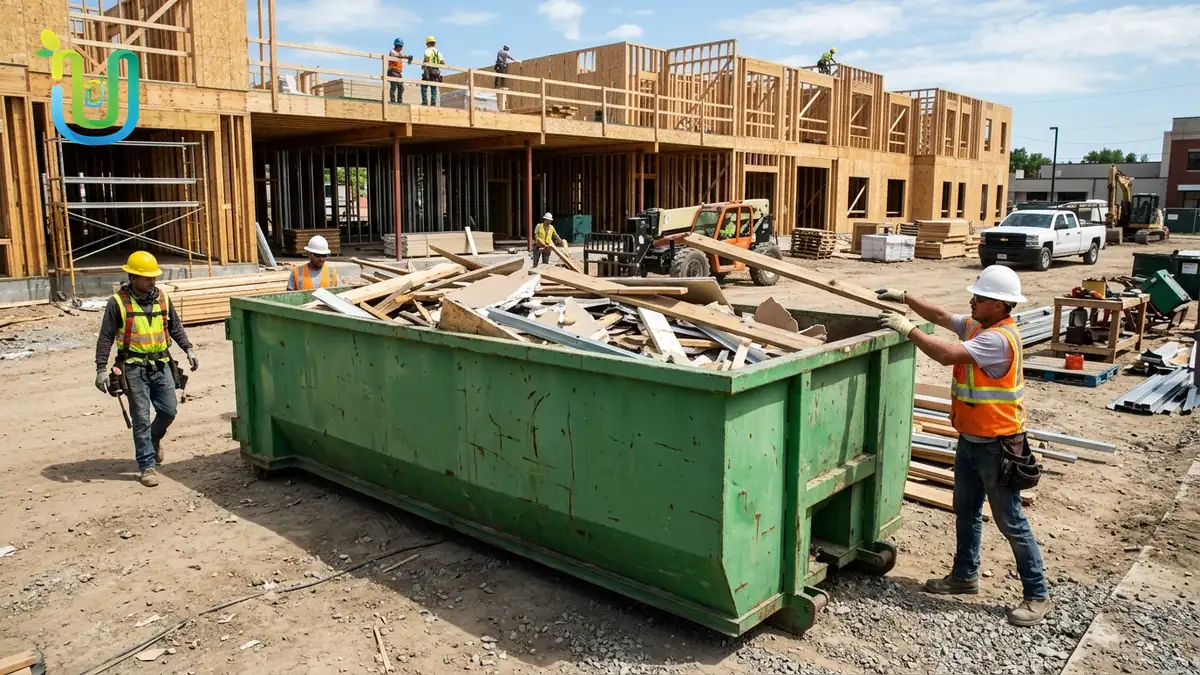
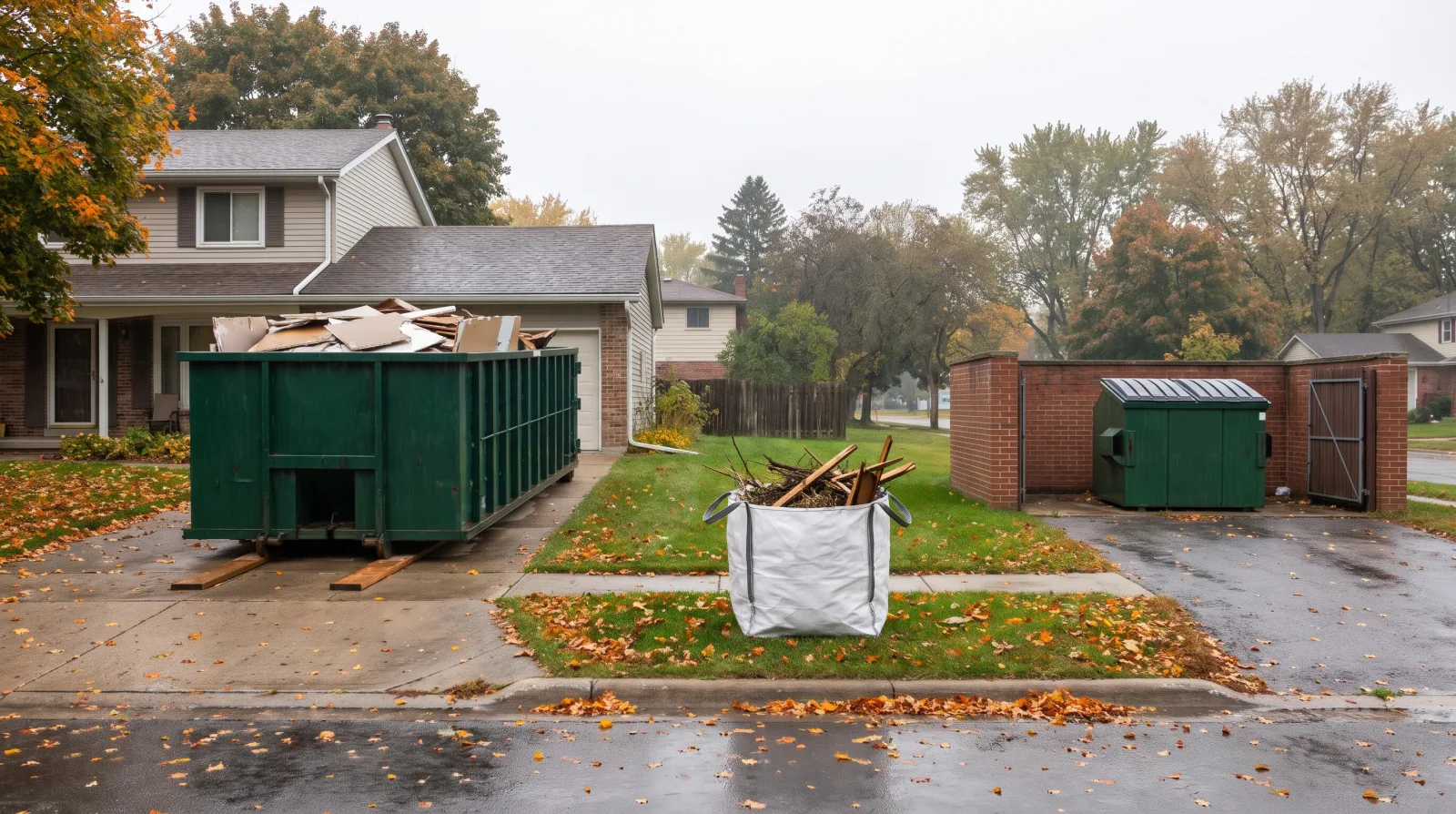
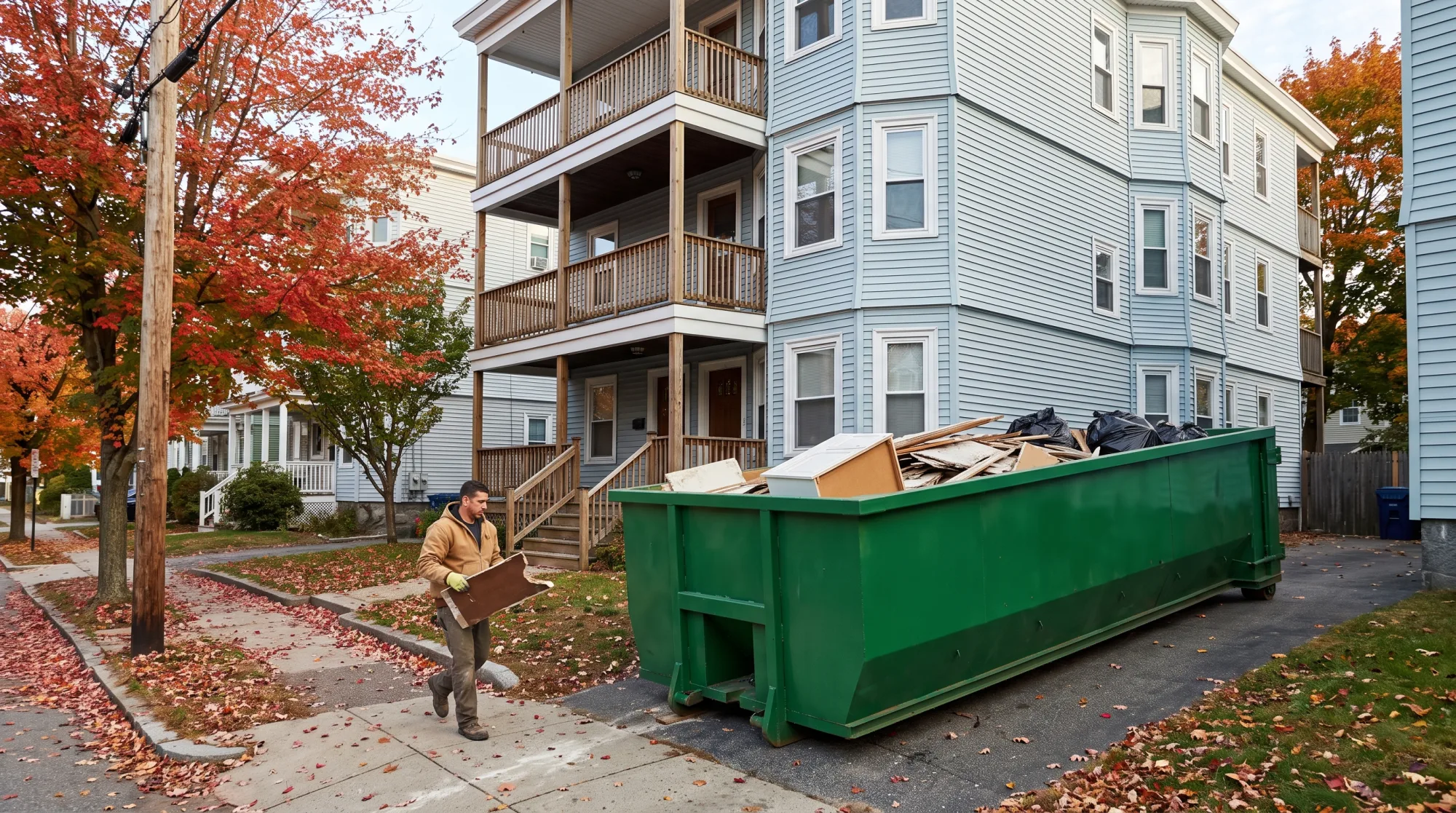
On-call roll-off service. Roll-off dumpsters (10 to 40 cubic yards) are delivered, filled, and hauled away on an as-needed basis. Pricing is per haul, with a rental period and weight allowance included. Roll-off service is used by construction companies, property managers conducting renovations, businesses undergoing office buildouts, and any commercial entity with temporary, project-based waste needs.
Compactor service. For high-volume waste generators, a compactor crushes waste to reduce its volume by 4:1 to 6:1. Fewer pickups mean lower transportation costs. Compactors are common at grocery stores, distribution centers, large restaurants, hotels, and manufacturing facilities. The equipment is more expensive than a standard dumpster, but the savings on pickup frequency often more than offset the cost for qualifying businesses.
Recycling service. Separate collection of recyclable materials (cardboard, paper, bottles, cans, plastics) in dedicated containers with their own pickup schedule. Recycling pickups typically cost less than trash pickups because the hauler earns revenue from selling the recovered materials. For businesses that generate large volumes of recyclables (cardboard-heavy retail, paper-heavy offices), adding recycling service often reduces total waste management costs.
Right-Sizing Your Service
The single most common commercial waste management mistake is having a container that is too large or a pickup frequency that is too high for the actual waste volume. This happens because the original service was set up conservatively ("better to have too much capacity than too little") and never adjusted.
How to assess your current setup: For one month, observe your container before each scheduled pickup. Is it consistently full? Overflowing? Half-empty? A container that is consistently less than half full at pickup time means you are paying for capacity and pickup frequency you do not need.
Container size guidelines:
- 2-yard: Small offices (under 15 employees), boutique retail, low-volume services
- 4-yard: Medium offices (15-50 employees), standard retail, small restaurants, small apartment buildings
- 6-yard: Large offices, high-volume retail, mid-size restaurants, medium apartment buildings (20-40 units)
- 8-yard: Large restaurants, grocery stores, large apartment buildings (40+ units), light industrial
Frequency guidelines: Start with twice-weekly pickup for most businesses and adjust based on observation. Restaurants with high food waste volumes may need daily pickup. Small offices may only need weekly service.
Cost Optimization Strategies
Audit annually. Your waste generation patterns change as your business evolves. A restaurant that added catering generates more waste than it did before. An office that went paperless generates less. Review your service annually and adjust container size and frequency to match current reality.
Separate recyclables. Cardboard is the low-hanging fruit for most businesses. If your receiving area generates a steady stream of flattened boxes, a dedicated cardboard recycling container with scheduled pickup reduces the volume going into your trash dumpster (allowing you to potentially downsize) and costs less per pickup than trash service.
Negotiate your rate. Commercial waste contracts are negotiable. If you have been with the same provider for more than two years without a rate review, you are likely paying above market. Get two or three competitive quotes and use them as leverage. Multi-year commitments typically earn 10 to 15 percent discounts. Multi-location consolidation under a single provider earns additional savings.
Reduce waste at the source. Talk to your suppliers about reducing packaging. Switch from disposable to reusable where practical. Implement double-sided printing. Donate surplus inventory instead of trashing it. Every pound of waste prevented is a pound you do not pay to haul and dispose.
Monitor for unauthorized dumping. If your container is in an unsecured location, neighboring businesses, contractors, or the public may be using it without your knowledge. This costs you money and can create contamination issues. Locking lids and enclosures prevent unauthorized use.
Regulatory Compliance
Commercial waste management is subject to regulations that go beyond what residential customers face.
Enclosure requirements. Most municipal zoning codes require commercial dumpsters to be housed in screened enclosures: fenced pads with gates that conceal the container from public view. Specifications for enclosure materials, height, and gate design are typically defined in the local zoning code. Non-compliant enclosures can result in code enforcement citations.
Grease and cooking oil. Restaurants and food service businesses must arrange separate collection for cooking oil and grease trap waste through specialized haulers. Pouring grease into a standard dumpster violates health codes and creates contamination issues that result in surcharges from the waste hauler.
Hazardous waste. Businesses that generate hazardous waste (auto shops, dry cleaners, medical offices, manufacturing facilities, laboratories) must comply with federal RCRA regulations and parallel state hazardous waste programs. Hazardous waste cannot be placed in standard commercial dumpsters under any circumstances.
Recycling mandates. California, New York, Massachusetts, Connecticut, Vermont, and an increasing number of other states require businesses to separate recyclable materials from trash. Non-compliance penalties vary by jurisdiction but can include fines and increased waste management costs.
Choosing a Commercial Waste Partner
The right waste management provider for your business should function as a partner, not just a vendor. Look for a provider that conducts an initial waste audit to recommend the right service configuration, monitors your service proactively and suggests adjustments as your needs change, responds promptly to service issues and extra pickup requests, provides transparent invoicing with no hidden fees, and helps you navigate regulatory compliance requirements.
Price matters, but reliability and responsiveness matter more in commercial waste management. A missed pickup at a restaurant during a busy weekend is worth far more than a $20 monthly savings on the contract price. Choose a provider you can count on.
At Ultimate Dumpsters, our commercial waste division serves businesses across every industry. We start with a complimentary waste audit to understand your operations, recommend the optimal service configuration, and set up a program that balances cost, convenience, and compliance. Contact our commercial team for a no-obligation consultation.