Your Disposal Choices Have Impact
Americans generate approximately 4.9 pounds of solid waste per person per day. Over the course of a year, a family of four produces nearly 7,200 pounds of waste. The vast majority of that waste (about 50 percent) ends up in landfills, where it decomposes slowly, produces methane (a potent greenhouse gas), and occupies space that could serve communities in more productive ways.
The environmental impact of waste disposal is not an abstract concept. Landfill methane contributes to climate change. Contaminated leachate can reach groundwater. The raw materials embedded in discarded products (metals, minerals, petroleum, timber) represent resources that were extracted, processed, and transported at enormous environmental cost, only to be buried underground.
As a homeowner, you make waste disposal decisions multiple times a year: during renovations, cleanouts, seasonal maintenance, and everyday life. Each decision is small on its own, but collectively, they add up to a meaningful environmental footprint. This guide gives you practical strategies for reducing that footprint without making your life harder.
The Waste Hierarchy in Practice
The waste hierarchy ranks disposal strategies from most to least sustainable: prevent, reuse, recycle, recover, dispose. In theory, it is straightforward. In practice, it requires thinking about your waste before it reaches the dumpster.
Prevention is the most powerful lever. Every item you do not buy is an item you never have to dispose of. Before purchasing materials for a project, calculate what you actually need rather than buying in excess. Before replacing something, ask whether it can be repaired. Prevention is free and produces zero waste.
Reuse extends the useful life of products. Furniture, appliances, tools, building materials, and household goods that are still functional should be donated or sold rather than trashed. The resale and donation markets for used goods are more robust than most people realize: Habitat for Humanity ReStores, consignment shops, online marketplaces, and community exchange sites all connect unwanted items with people who can use them.
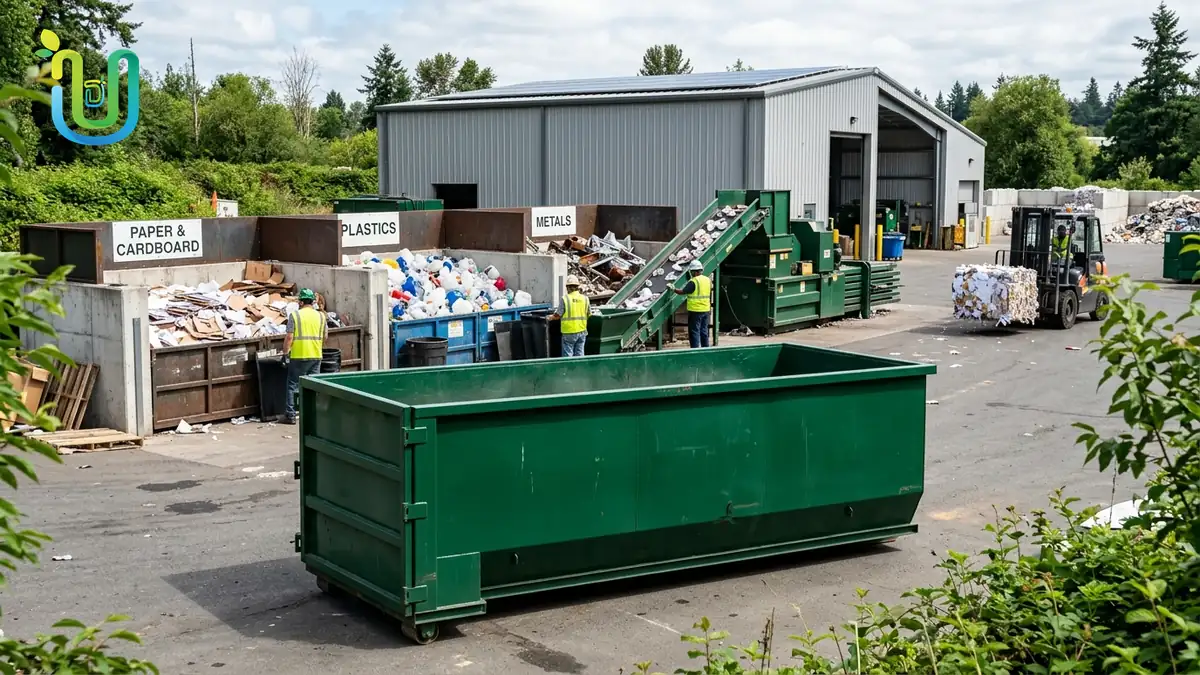
Recycling processes used materials into feedstock for new products. Metals, concrete, cardboard, certain plastics, glass, and clean wood can all be recycled when properly sorted. The key word is "properly": contamination is the enemy of recycling. A single bag of garbage in a container of clean cardboard can cause the entire load to be rejected.
During Renovations: Deconstruction vs. Demolition
The biggest waste management decision in a renovation is how you remove the existing finishes and structures. Standard demolition (swinging sledgehammers, tearing everything out, and throwing it in a dumpster) is fast but produces mixed waste that is expensive to dispose of and difficult to recycle.
Deconstruction is the sustainable alternative. Instead of demolishing, you carefully disassemble structures to preserve components for reuse. Cabinets come out intact. Doors and windows are removed with their hardware. Dimensional lumber is de-nailed and stacked. Fixtures and trim are salvaged.
Deconstruction takes longer than demolition, typically 2 to 3 times longer for the removal phase. But it produces materials with resale or donation value, reduces the volume of waste going to landfill by 50 to 80 percent, and may qualify for tax deductions when salvaged materials are donated to qualifying organizations.
Not every project justifies full deconstruction. A pragmatic approach is to deconstruct the high-value and easily salvaged items (cabinets, doors, fixtures, hardware) and demolish the rest. This hybrid approach captures most of the environmental benefit without dramatically extending the project timeline.
During Cleanouts: The Donation-First Approach
Whether you are spring cleaning, downsizing, or handling an estate cleanout, start with donation before turning to the dumpster. Schedule charity pickups or drop-offs before your dumpster arrives. Sort items into donate and dispose categories as you go.
Items in good condition should never go in a dumpster if they have a second life available. Clothing, furniture, kitchenware, books, toys, working electronics, tools, and household goods are all accepted by charitable organizations. Many charities offer free pickup for large items like furniture and appliances.
The environmental benefit is direct: every item that gets reused is an item that does not go to a landfill and does not need to be manufactured from scratch for its next owner.
Material-Specific Recycling Opportunities
Metals. The most recyclable and most valuable material in the common waste stream. Steel, aluminum, copper, and brass can be recycled indefinitely without quality degradation. On renovation projects, separate metal items (pipe, wire, hardware, fixtures, flashing) and take them to a scrap dealer. The payment you receive offsets some of your disposal costs.
Concrete and masonry. Clean concrete is crushed into recycled aggregate and used for road base, fill, and new concrete production. Many communities have concrete recycling facilities that accept clean concrete at lower rates than landfill disposal, a win for both the environment and your budget.
Cardboard. Generated in large quantities during renovations (appliance boxes, material packaging) and cleanouts (storage boxes). Flatten and separate cardboard from other waste. It is one of the most readily recycled materials.
Electronics. E-waste contains both valuable recoverable materials and toxic substances. Proper recycling through certified e-waste processors recovers gold, silver, copper, and rare earth elements while safely handling lead, mercury, and cadmium.
Choosing a Sustainable Hauler
When selecting a dumpster rental company, ask about their environmental practices. What percentage of collected waste is diverted from landfills? Do they work with material recovery facilities? Do they offer reduced rates for clean, sorted loads? A hauler committed to sustainability will have clear, specific answers.
Some haulers operate their own recycling facilities. Others partner with third-party processors. Either model can achieve strong diversion rates. What matters is that the hauler actively pursues recycling rather than sending everything to the cheapest landfill.
Small Steps, Measurable Impact
You do not need to achieve zero waste to make a meaningful difference. Diverting 50 percent of a renovation project's waste from the landfill (achievable through basic material separation) prevents tons of material from being buried and recovers resources that have economic and environmental value.
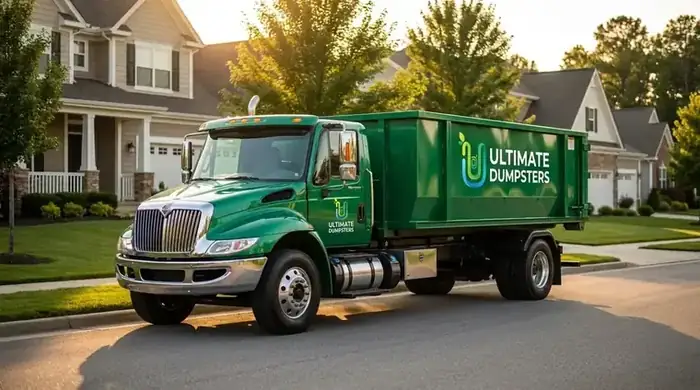
At Ultimate Dumpsters, sustainability is woven into how we operate. We route loads to facilities that prioritize material recovery. We offer guidance on separating materials for recycling. And we connect customers with donation and recycling resources in their area. Responsible disposal is not just good ethics; it often saves money too.