The Scale of Construction Waste
Construction and demolition waste is one of the largest waste streams in the United States, accounting for more than 600 million tons annually according to the EPA. That is roughly twice the volume of all municipal solid waste combined. Whether you are building a new home, renovating an office, or tearing down a structure, managing this waste responsibly and cost-effectively is a critical part of every project.
The composition of construction waste varies by project type, but common materials include concrete, wood, drywall, metal, roofing materials, masonry, plastics, glass, and soil. Many of these materials are recyclable, and diverting them from landfills can reduce disposal costs, satisfy regulatory requirements, and earn points toward green building certifications like LEED.
Types of Construction Waste
Concrete and masonry. One of the heaviest construction waste streams. Clean concrete can be crushed and recycled into aggregate for road base, fill material, and new concrete production. Recycled concrete aggregate is widely available and costs less than virgin aggregate in most markets.
Wood and lumber. Dimensional lumber, plywood, OSB, and engineered wood products are generated in large quantities during framing, demolition, and renovation work. Clean, untreated wood can be chipped for mulch, burned for energy at biomass facilities, or recycled into engineered wood products. Treated lumber (pressure-treated, painted, or stained) requires separate handling due to chemical content.
Drywall and gypsum. Drywall scraps from new construction are one of the most recyclable construction materials. Clean drywall can be ground and recycled back into new drywall products or used as a soil amendment in agriculture. Demolition drywall is harder to recycle because it may contain paint, joint compound, or contaminants.
Metal. Steel, aluminum, copper, and other metals are highly valuable recyclables. Scrap metal from construction sites (rebar, flashing, ductwork, piping, and structural steel) is readily accepted by scrap dealers, often at prices that offset disposal costs.
Roofing materials. Asphalt shingles are the most common roofing waste material. Many recycling facilities accept clean asphalt shingles and process them into hot-mix asphalt for road paving. However, shingles containing asbestos must be handled separately as hazardous waste.
Insulation. Fiberglass, cellulose, and foam insulation are generated during demolition and renovation. Recycling options for insulation are limited in most markets, and fiberglass insulation requires careful handling to avoid skin and respiratory irritation.
Federal and State Regulations
Construction waste disposal is regulated at both the federal and state level. The EPA classifies most construction and demolition debris as non-hazardous solid waste, which means it can be disposed of in standard construction and demolition landfills. However, several materials found on construction sites (asbestos, lead paint, chemical solvents, and treated wood) may be classified as hazardous waste and require separate handling.
State regulations vary widely. Some states have aggressive construction waste recycling mandates that require a certain percentage of C&D debris to be diverted from landfills. California, Massachusetts, and several other states require construction projects above a certain size to submit waste management plans and achieve minimum recycling rates. Other states have no specific C&D recycling requirements beyond standard solid waste regulations.
Check your state and local regulations before starting any construction project. Non-compliance can result in fines, project delays, and liability issues.
Disposal Methods
Landfill disposal. The most straightforward but least sustainable option. Construction and demolition landfills accept mixed C&D debris at a per-ton tipping fee. This is the default option when materials are mixed, contaminated, or not cost-effective to recycle.
Recycling and material recovery. Many C&D materials can be recycled when properly sorted. Dedicated C&D recycling facilities accept mixed loads and use mechanical sorting to separate recyclable materials from waste. Clean, source-separated loads (single material type) are cheaper to process and achieve higher recycling rates.
Salvage and reuse. Some demolition materials have resale value. Architectural salvage companies purchase vintage fixtures, hardware, doors, windows, and lumber from older buildings. Habitat for Humanity ReStores accept donated building materials. Salvage is most viable for demolition projects involving older buildings with character materials.
On-site recycling. Large projects may benefit from on-site crushing and processing. Portable concrete crushers can process demolition concrete into aggregate on-site, eliminating haul costs and producing material that can be reused immediately for fill, grading, or sub-base.
Best Practices for Job Site Waste Management
Plan before you start. Develop a waste management plan that estimates the types and volumes of waste your project will generate. Identify recycling and disposal facilities in your area. Set up your site with designated areas for different waste streams.
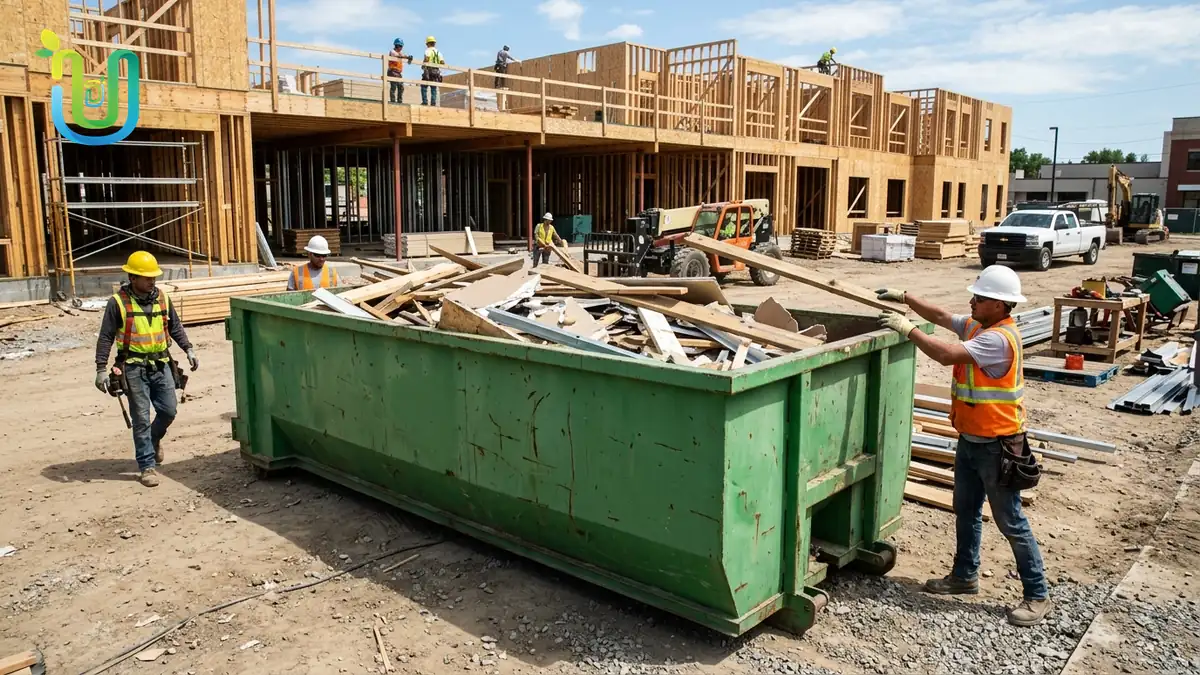
Sort on site. The easiest way to reduce disposal costs is to separate recyclable materials from general waste at the point of generation. Set up labeled bins or dumpsters for concrete, metal, wood, cardboard, and mixed waste. Training crews to sort as they work takes minimal time and can reduce disposal costs by 30 to 50 percent.
Track your waste. Document what goes into each dumpster, how much each load weighs, and where it goes. This data helps you optimize future projects, demonstrate regulatory compliance, and support green building certification applications.
Choose the right dumpster. Match your dumpster size to the volume and type of waste. Use smaller 10 to 15-yard containers for separated materials and larger 20 to 40-yard containers for mixed debris. Heavy materials like concrete need containers with higher weight allowances.
Cost-Saving Strategies
Separating clean materials for recycling is the single biggest cost saver. Landfill tipping fees for mixed C&D debris range from $40 to $100 per ton in most markets. Recycling facilities for clean concrete, metal, and wood typically charge $10 to $40 per ton, a savings of 50 percent or more per ton.
Volume pricing from your dumpster provider can also reduce costs significantly. If you are running multiple projects or generating waste consistently, negotiate a rate that reflects your total volume rather than paying project-by-project.
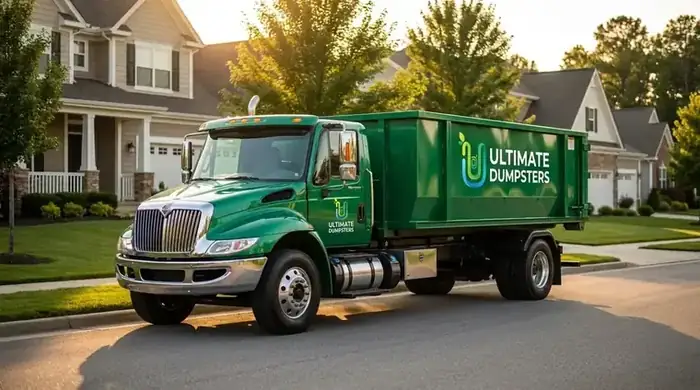
At Ultimate Dumpsters, we work with contractors and construction companies to develop waste management solutions that minimize cost and maximize recycling. Our team can help you choose the right container sizes, schedule pickups to match your project timeline, and connect you with recycling facilities for clean material streams.