The Baseline Requirement
Construction sanitation guidance is built on a simple ratio: toilet facilities must be available to workers, scaled to crew size: the working standard is one unit per 10 workers on a 40-hour week. Sites without reasonable access to facilities are the ones that collect complaints, and complaints are what bring inspectors.
When ADA Units Are Required
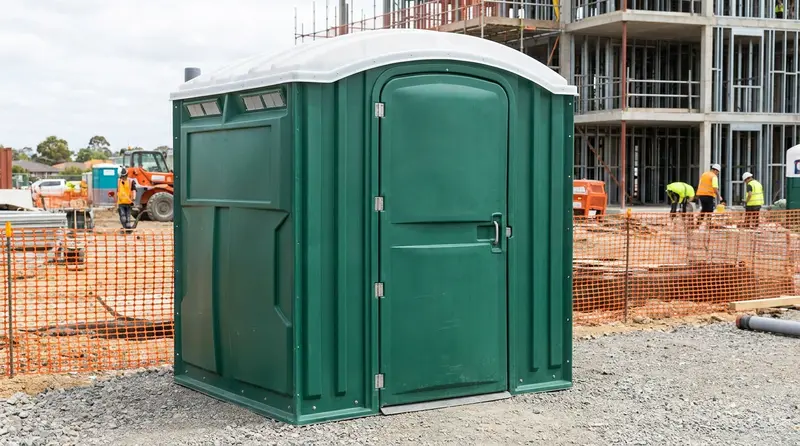
Public events operating under permits almost always require accessible facilities. On construction work, government and institutional contracts routinely write accessible units into the facilities clause. Read it before you order, not after the inspection. An ADA unit needs level ground and a clear approach path, which is a placement decision, not just a line item.
Hand-Washing Is Part of Compliance
Sanitation isn't just toilets. Crews need a way to wash up, and food trucks visiting your site raise the bar further. One hand-wash station per four toilet units is the working ratio that keeps sites out of trouble.
Servicing Is Where Sites Fail
A compliant count of filthy units is still a failed site in practice. Scheduled servicing (pumping, sanitizing, restocking) is what keeps facilities usable, and it's why long-term rentals should always be on a monthly plan with service visits included rather than a drop-and-forget unit.
The Contractor's Checklist
1. Count your peak crew, not your average: one unit per 10 workers. 2. Check the contract's facilities clause for ADA requirements. 3. Add hand-wash stations: one per four units. 4. Put servicing on a schedule, not a phone call. 5. Place units on level ground the service truck can actually reach.