
Construction Site Portable Toilet Rental
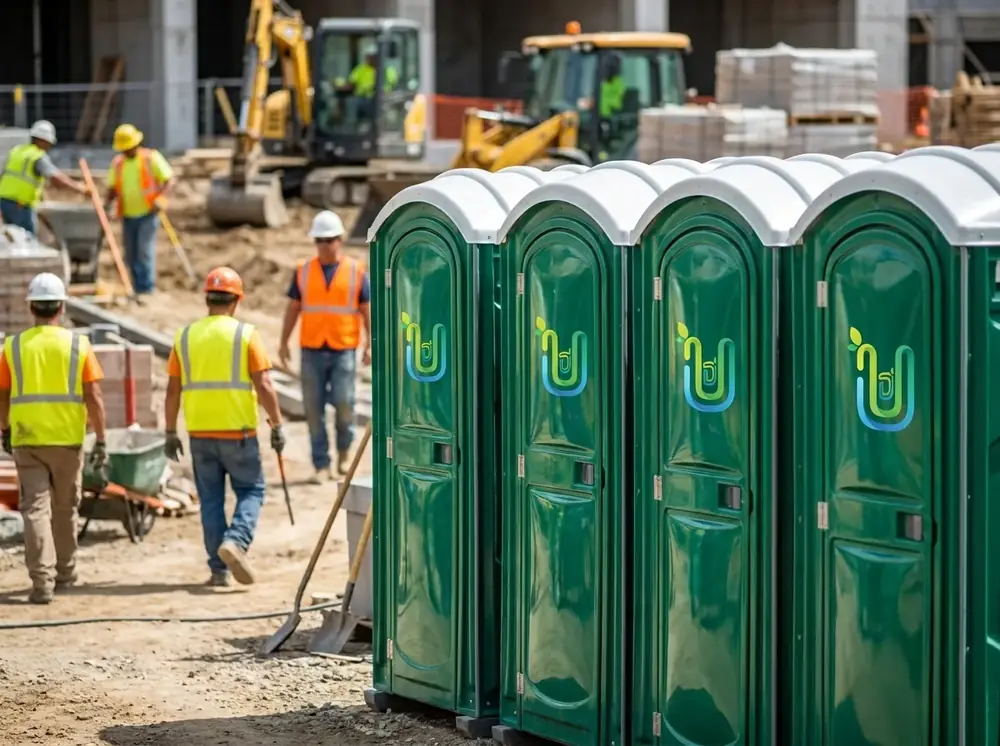
A construction porta potty rental is simple: heavy-duty units delivered to your site, serviced weekly (pumped, cleaned, restocked), and billed on one monthly rate that includes every service visit. OSHA requires at least one toilet for every 20 workers, and we set the count, the hand-wash stations, and the service schedule so your site stays compliant without anyone thinking about it.
Quoted to your zip and crew size in one call. Weekly servicing included in the rate.
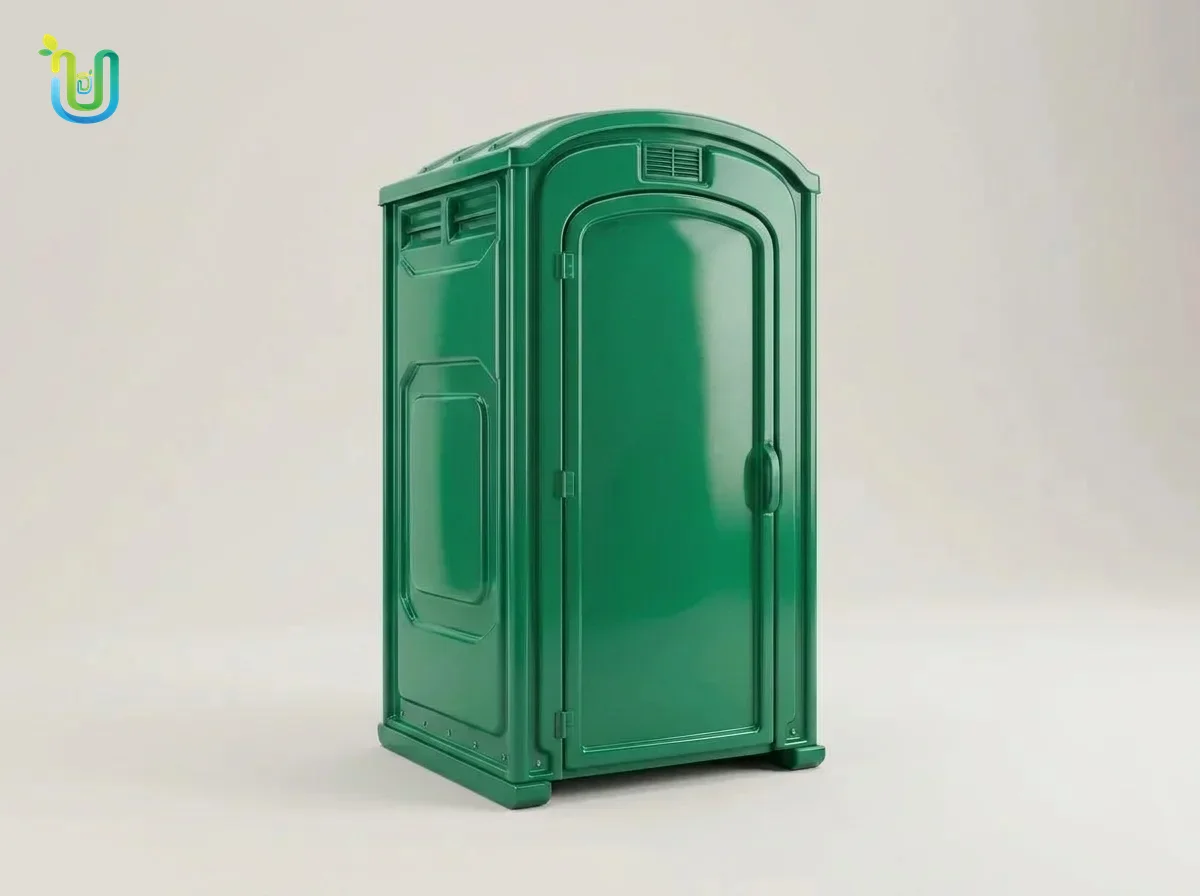
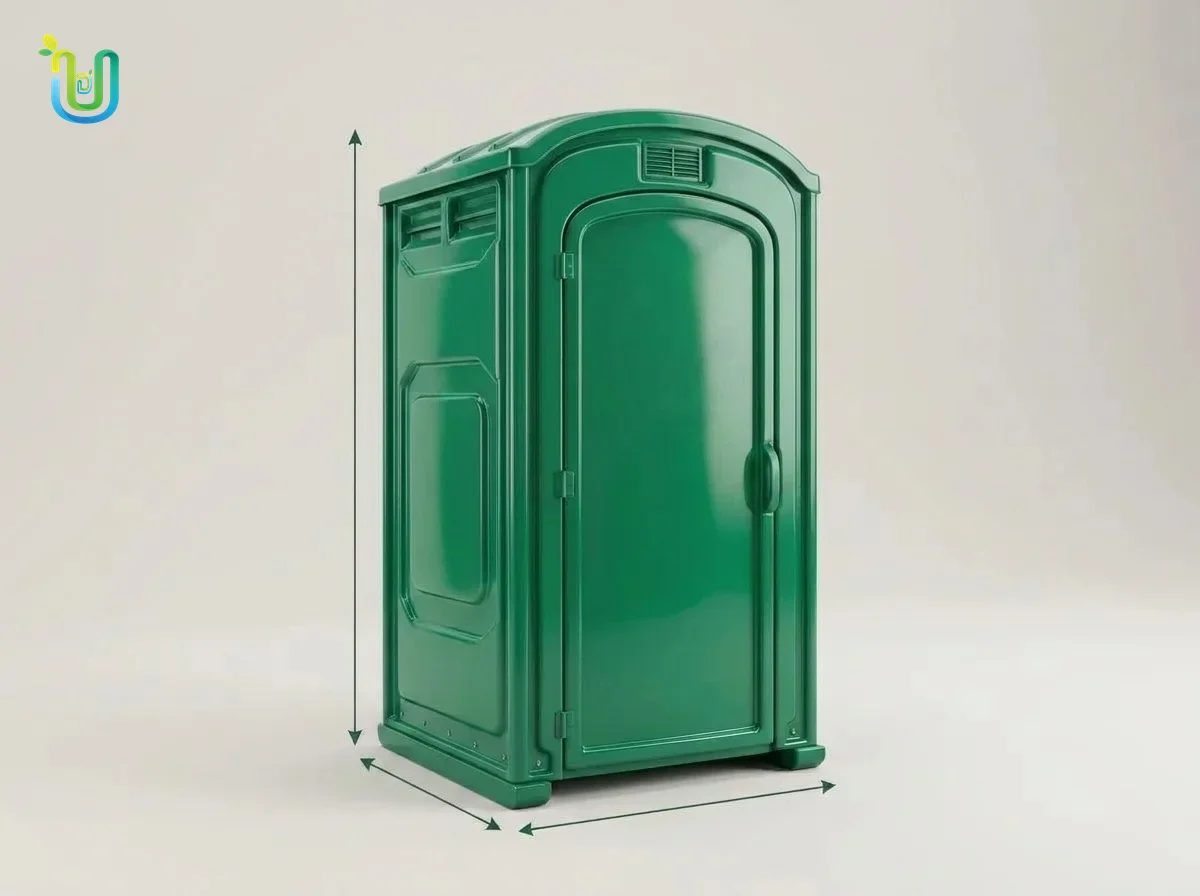
The Standard Jobsite Unit
Approximately 92 inches tall, 44 inches wide, and 48 inches deep. Delivered clean, stocked with toilet paper and hand sanitizer at every service.
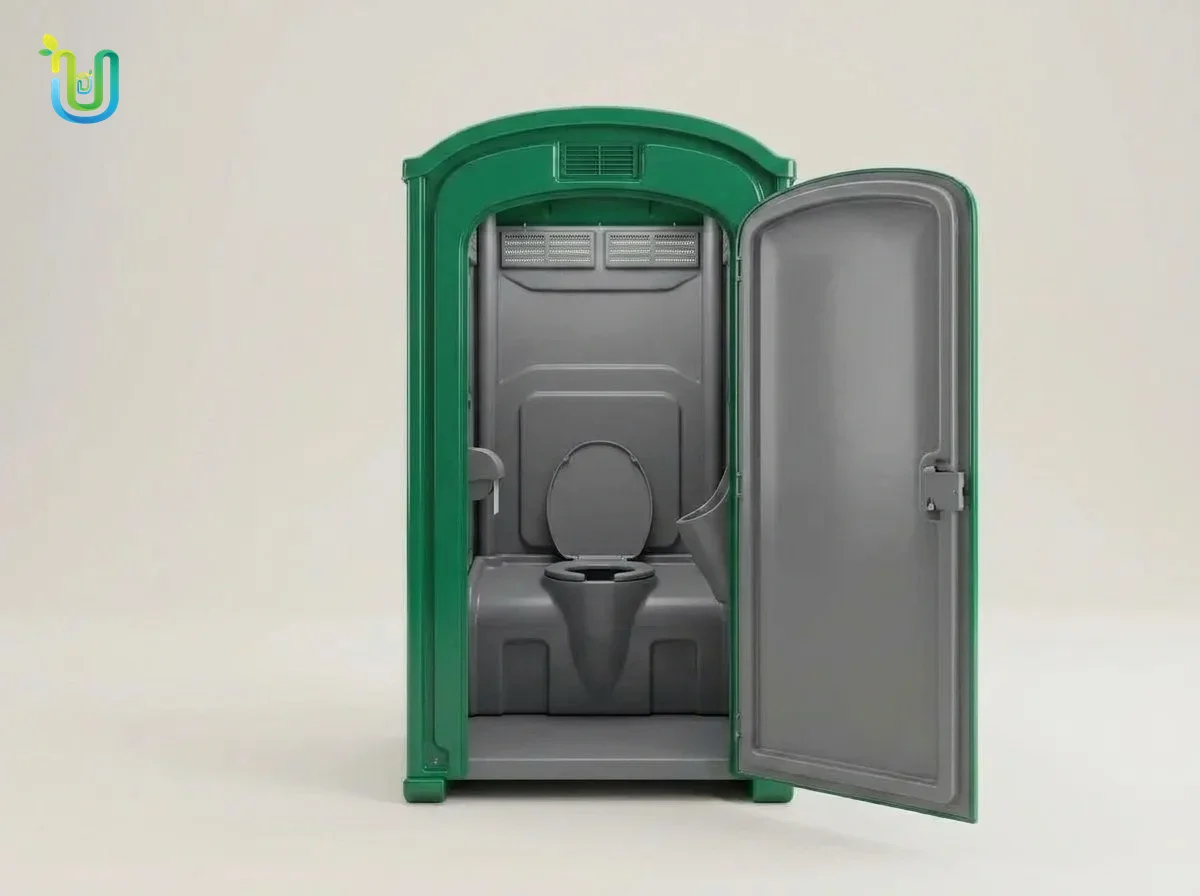
- Heavy-duty construction-grade porta potties built for daily use
- Weekly servicing: pump-out, cleaning, restocking, and sanitizing
- Hand sanitizer dispensers included with every unit
- Optional hand wash stations with soap and paper towels
- OSHA compliance: 1 unit per 20 workers as required
- Flexible rental terms from weeks to multi-year projects
How Many Toilets Does OSHA Require?
The OSHA baseline is one toilet for every 20 workers. Our own recommendation runs closer to one unit per 10 workers on a 40-hour week, because a crew waiting in line is labor you are paying for and not getting. Every unit is serviced weekly.
| Crew Size | OSHA Minimum (1 per 20 workers) | Our Recommendation (1 per 10, 40-hr week) |
|---|---|---|
| Up to 20 workers | 1 toilet | 1 to 2 units |
| 21 to 40 workers | 2 toilets | 3 to 4 units |
| 41 to 60 workers | 3 toilets | 5 to 6 units |
| 61 to 80 workers | 4 toilets | 7 to 8 units |
Bigger crews, longer shifts, or summer pours change the math. Tell us the crew size and we set the count: (866) 858-3867.
What Weekly Service Covers
A porta potty is only as good as its service route. Every rental includes scheduled servicing, and the monthly cycle includes the service visits for that month.
Pump-Out
The waste tank is fully pumped on every visit, not topped off. That is what keeps a unit usable in week eight the way it was in week one.
Clean & Restock
Interior cleaned and sanitized, toilet paper and hand sanitizer restocked. Hand-wash stations get soap and paper towels refilled too.
Your Schedule
Weekly is standard. Big crews, extended hours, and hot months move to twice-weekly or daily. One call adjusts the route as the job changes.
Built for the Way Jobsites Actually Run
From a single-home remodel to a multi-phase build with crews moving across the site, the setup follows the work.
Construction & Renovation
Jobsite crews from single-home remodels to multi-phase builds. The unit OSHA guidance expects on site.
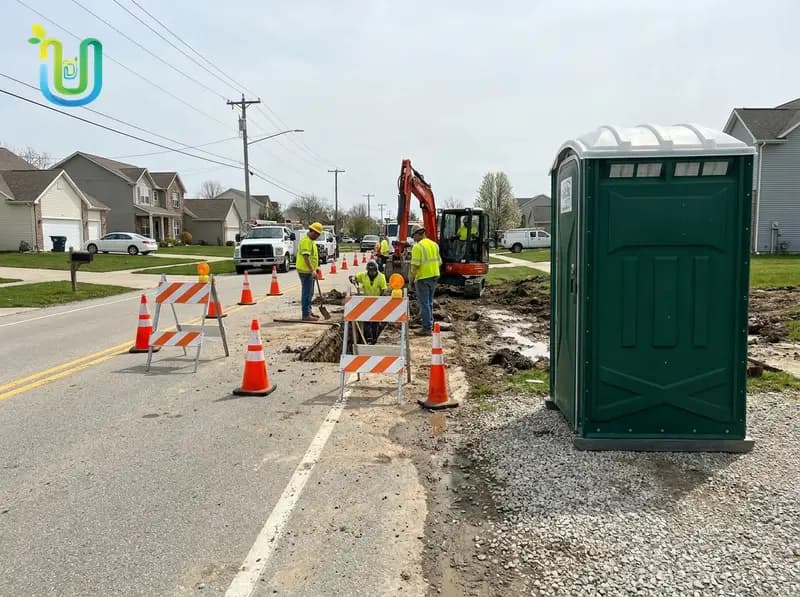
Road & Utility Work
Moving crews with no fixed facilities. Units relocate with the job, and one call moves them.
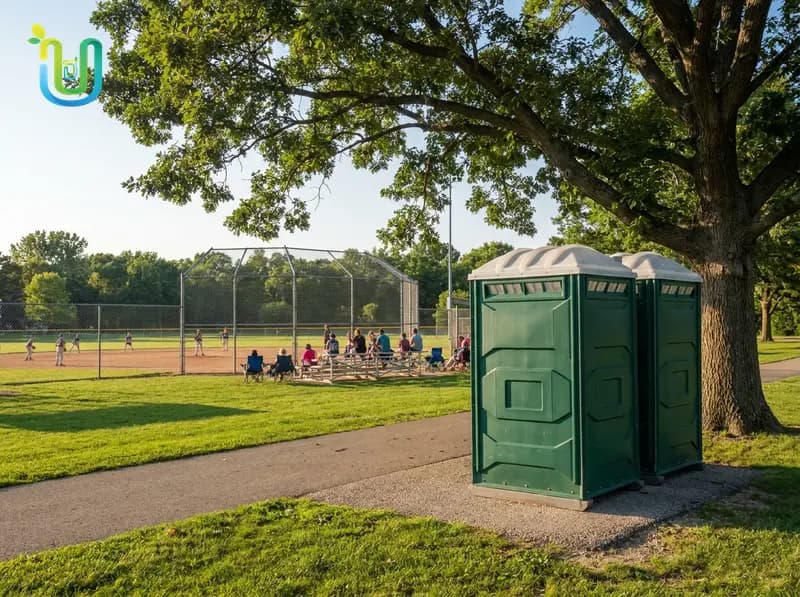
Long-Term Projects
Months-long sites kept fresh by routed weekly service: pumped, cleaned, and restocked without anyone having to call.
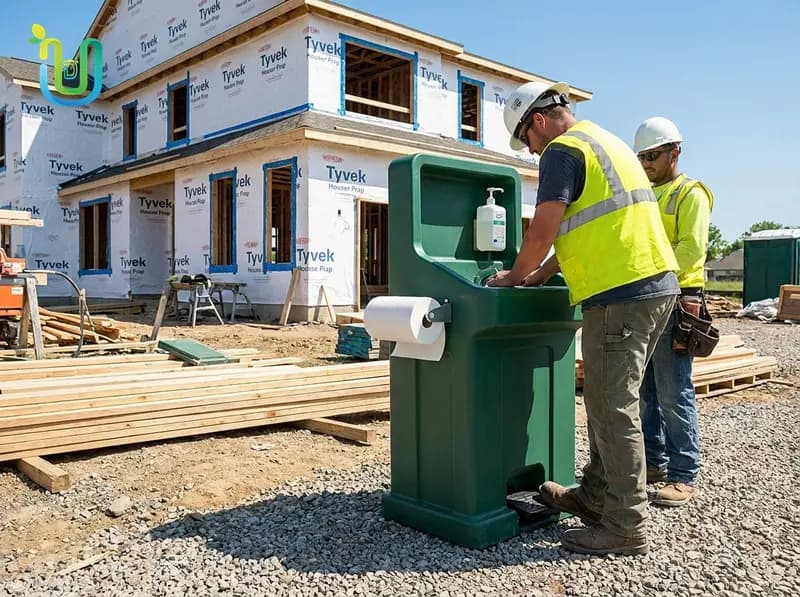
Jobsite Hygiene
Crews that can wash up on site lose less time and stay healthier. Stations pair with any unit.
Public or permitted work often also needs an ADA-accessible unit. Crews that shower on site should look at shower trailers.
Straight Talk From Our Team
“Two questions size every porta order: how many people, and for how long. One unit per 10 workers on a 40-hour week is the standard. Add a unit if crews are pouring in summer heat, and put hand-wash stations wherever people eat.
The most common mistake I see is underordering. A crew waiting on one unit is labor you're paying for and not getting. The second unit almost always pays for itself.”

Joe Woods
Commercial & National Accounts Specialist, Ultimate Dumpsters. On sizing a jobsite porta order
Construction Porta Potty Questions, Answered by Our Team
Real answers from the people who route the trucks and size the orders. If yours isn't here, the phone gets you a person, not a menu.
OSHA requires a minimum of one toilet for every 20 workers. For sites with 50+ workers, you will also need at least one additional unit for every 40 workers beyond the first 20. Tell me your crew size and I'll calculate the exact count, and if crews are pouring in summer heat I'll tell you to add one.
Answered by Judi K., Site Services Specialist
Standard service is once per week: we pump the waste tank, clean and sanitize the interior, and restock paper and sanitizer. For larger crews, extended hours, or hot months, we set up twice-weekly or daily servicing. The schedule is built into your rate, so compliance never depends on someone remembering to call.
Answered by Michael V., Head of Operations
Every unit comes with a hand sanitizer dispenser. For running-water hand washing, we offer standalone hand-wash stations as an add-on: foot-pump faucet, soap, and paper towels, no hookups needed. Many jurisdictions and general contractors now require hand-wash stations on job sites, and one station per four toilets is the baseline ratio.
Answered by Michael V., Head of Operations
Yes. The delivery trucks in our partner network are equipped to navigate tight jobsite conditions. We coordinate with your site superintendent to identify placement locations and delivery windows that minimize disruption to active work. Flag access issues when you order, not when the driver is at the gate.
Answered by Michael V., Head of Operations
Our minimum rental is typically 28 days (one month), and the monthly rate includes the weekly service visits for that cycle. After the first month, service continues month to month. Long-term projects receive discounted monthly rates, and there are no penalties for early return.
Answered by Michael V., Head of Operations
Yes. Units relocate with the job: when a phase closes out or the crew shifts to another part of the site, one call moves the units and the service route follows them. Road and utility crews do this constantly.
Answered by Michael V., Head of Operations
On government, school, and other public contracts, the accessible unit is usually written into the facilities clause, so read that section before you order. Permit offices increasingly ask for proof of accessible facilities on private work too. I've saved crews from failed inspections with one extra unit.
Answered by Joe Woods, Commercial & National Accounts Specialist
Yes, and that's exactly where we save contractors real money. One point of contact, units and service schedules managed across every site, one consolidated setup instead of a different vendor in every market. If you're ordering left and right across jobs, I guarantee I save you some money.
Answered by Joe Woods, Commercial & National Accounts Specialist
Get Your Site Set Up Before the First Crew Arrives
Tell us the crew size, the project length, and the zip. We set the unit count, the hand-wash stations, and the service schedule, and quote it flat in one call.