
Porta Potty Rental in Aurora, CO
Portable toilet rental in Aurora starts at $270 for a weekend or $320 per month, all-inclusive. Ultimate Dumpsters delivers and services standard, deluxe flushing, ADA-accessible, hand-wash, and luxury restroom-trailer units across Aurora and Arapahoe County. No brokers, no surprise fees.
Live agents standing by. Calling is the fastest way to book.
Updated , reviewed by Michael V., Head of Operations. Prices pulled from our live Aurora rate sheet.
Aurora porta potty pricing at a glance
- Standardfrom $270/weekend
- Deluxe Flushingfrom $374/weekend
- ADA-Accessiblefrom $374/weekend
- Hand-Wash Stationfrom $270/weekend
- Restroom Trailerfrom $1610/weekend
Serving Aurora and Arapahoe County
Same Day
Delivery Available
4.3 Stars
Company-wide Google rating
Flat Rate
No Hidden Fees
4 Visits
Per Monthly Rental
How much does a porta potty cost in Aurora?
A standard portable toilet in Aurora, CO starts at $270 for a weekend rental (up to 7 days), or $320 per month with 4 service visits included in every 28-day rental. Guest-facing and specialty units cost more: deluxe flushing and ADA-accessible units, hand-wash stations, and luxury restroom trailers are all priced in the table below. Every Aurora rate is all-inclusive.
The number we quote is the number you pay. Delivery, pickup, fuel, and environmental and local fees are all folded into the one price. Online orders are $0.39 higher than the phone rate; either way, a vetted local partner delivers and services the unit, with one point of contact: us. Prices last verified September 2026.
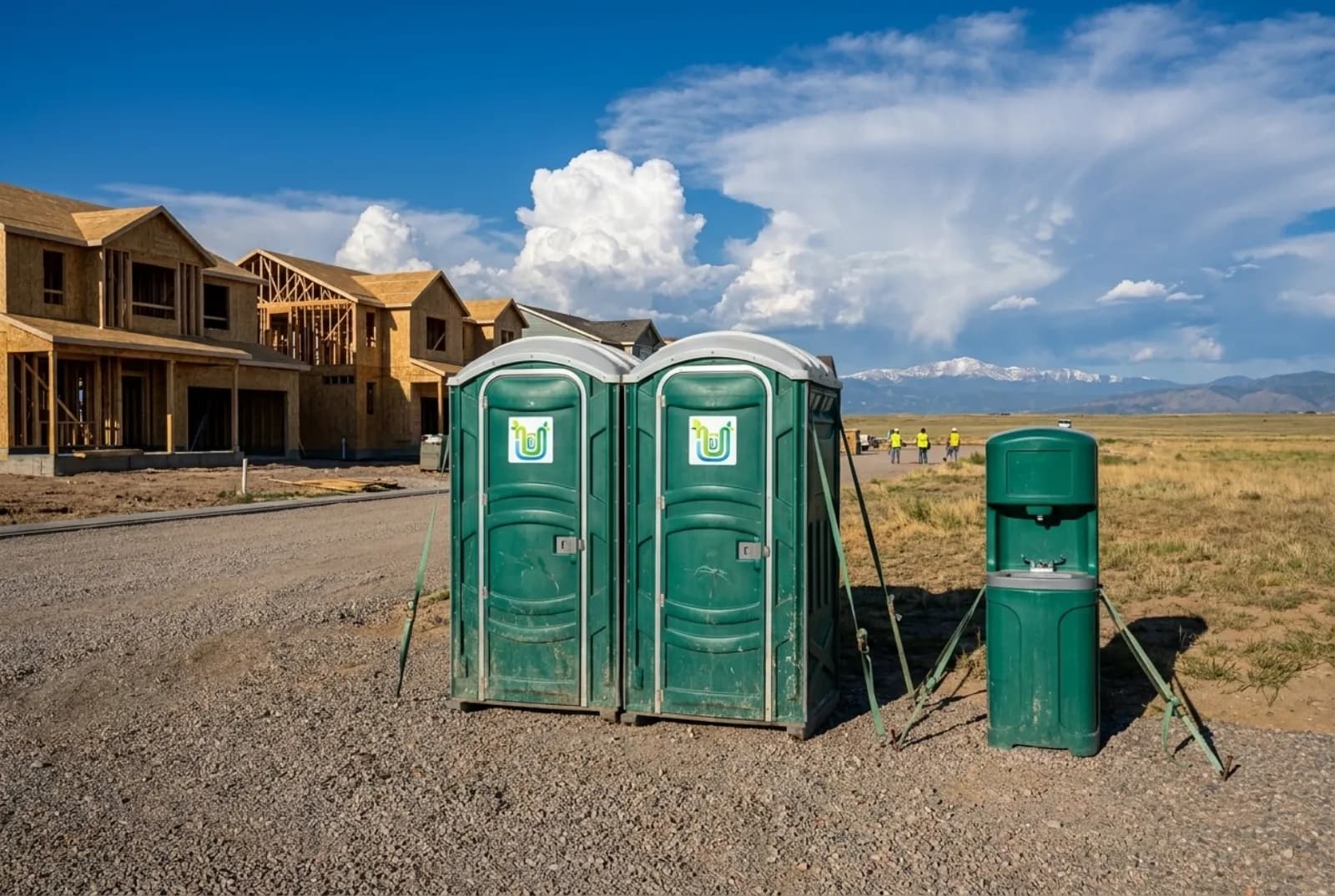
Aurora portable toilet prices by type
Real Aurora, CO rates. The weekend rate covers up to 7 days; the monthly rate is 28 days and includes 4 service visits. Your exact price shows at checkout.
| Unit type | Weekend (up to 7 days) | Monthly (28 days, 4 visits) | What is included |
|---|---|---|---|
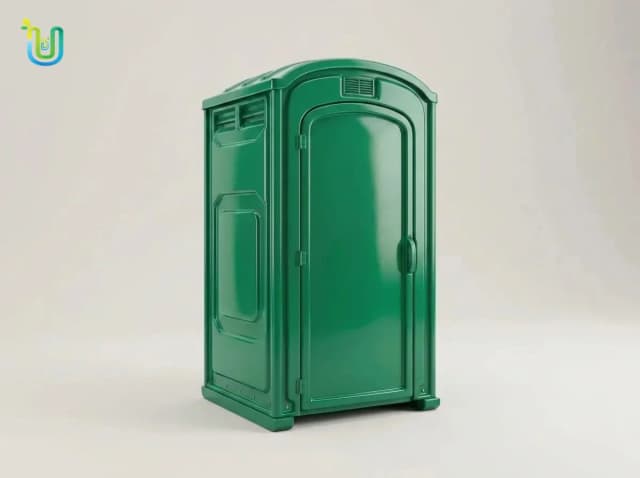
| Standard Portable Toilet | from $270online $270.39 | from $320online $320.39 | Enclosed unit, hand sanitizer, and toilet paper. Restocked at every service visit. |
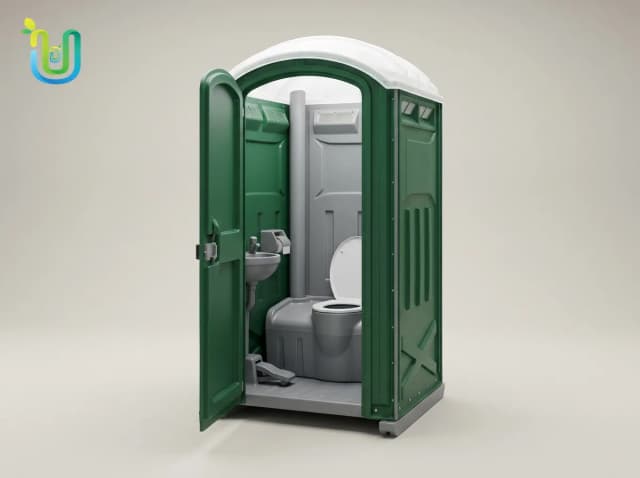
| Deluxe Flushing Portable Toilet | from $374online $374.39 | from $424online $424.39 | Foot-pump flushing bowl plus an in-unit hand-wash sink. The guest-friendly upgrade. |
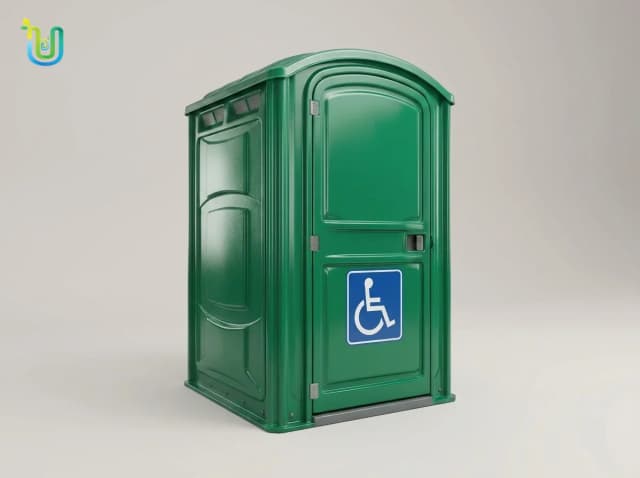
| ADA-Accessible Portable Toilet | from $374online $374.39 | from $424online $424.39 | Ground-level entry, interior grab bars, and a full wheelchair turning radius. ADA-compliant. |
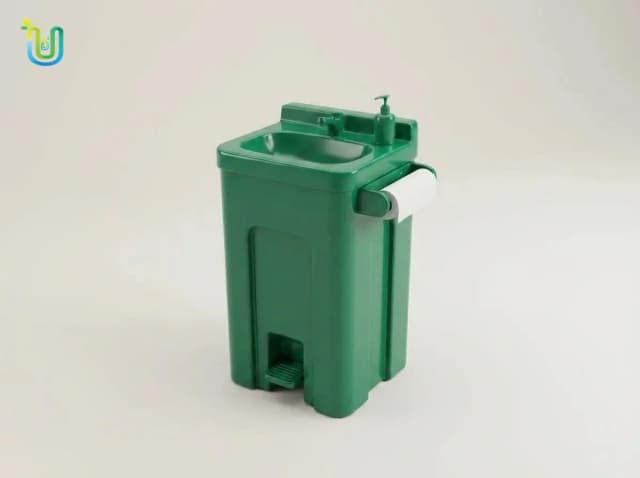
| Portable Hand-Wash Station | from $270online $270.39 | from $320online $320.39 | Freestanding basin with a foot-pump faucet, soap, and paper towels. No hookups needed. |
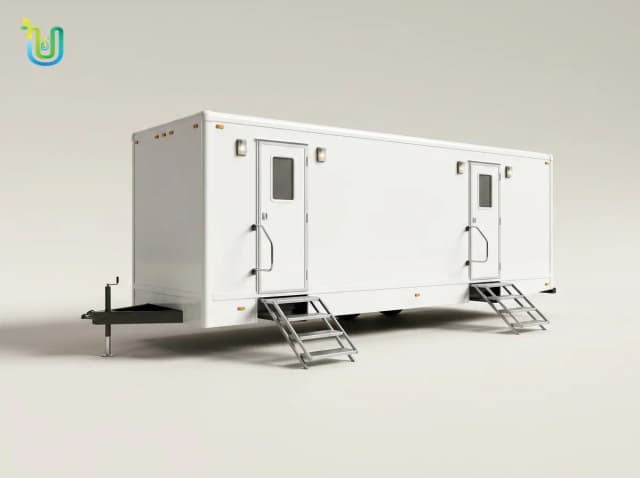
| Luxury Restroom Trailer | from $1610online $1610.39 | from $1930online $1930.39 | Climate-controlled multi-stall trailer with flushing porcelain toilets, running-water sinks, mirrors, and lighting. |
Phone price shown as the “from” rate. Online orders are $0.39 higher. Delivery, pickup, fuel, and environmental and local fees are included in every rate.
How many portable toilets you need in Aurora
Jobsite counts follow OSHA 29 CFR 1926.51(c); event counts follow the ratios most health departments and event permits expect. Use this as a starting point, then tell us your exact Aurora crew or guest count and we size the order to code.
| People on site | Jobsite (OSHA, full week) | Public event (peak crowd) | Hand-wash stations |
|---|---|---|---|
| Up to 20 | 1 toilet | 1-2 toilets | 1 station |
| 20 to 50 | 2 toilets | 2-3 toilets | 1 station |
| 50 to 100 | 2-3 toilets | 3-4 toilets | 1-2 stations |
| 100 to 250 | 3-5 toilets | 5-7 toilets | 2 stations |
| 250 to 500 | 5-8 toilets | 8-12 toilets | 3 stations |
| 500 to 1,000 | Ask for a site plan | 13-20 toilets | 4-5 stations |
OSHA sets the jobsite floor: 1 toilet for up to 20 workers, then 1 toilet and 1 urinal per 40 up to 200, and 1 per 50 above that, with a unit within about a 10-minute walk. Event ratios assume a multi-hour crowd with food and drink; add units for alcohol, all-day duration, or long lines. At least 5 percent of event units (minimum one) must be ADA accessible.
How we set Aurora porta potty prices
Every price on this page comes straight from our live Aurora rate sheet, the same numbers our phone team and online checkout quote. Nothing here is an estimate, a national average, or a “starting at” teaser that grows at checkout.
- Source
- The Ultimate Dumpsters pricing matrix our order desk quotes from, read for Aurora, CO (ZIP 80010).
- What is priced
- 10 rates: 5 unit types, each at a weekend rate (up to 7 days) and a monthly rate (28 days with 4 service visits).
- Date
- Synced September 29, 2026, and re-synced whenever the Aurora rate sheet changes.
- Included
- Delivery, pickup, fuel, and environmental and local fees. The phone price is the price; online orders are $0.39 higher.
- Limits
- Rates are for one unit at one Aurora address. Other ZIPs in the area can price differently, and multi-unit events, extra service visits, and special placements are quoted to the job. Enter your ZIP for your exact rate.
- From our order records
- We have served Aurora since 2019. Our busiest Aurora months are May and June, so book ahead for those. Exact order counts stay private.
Cite this pricing
Ultimate Dumpsters, “Porta Potty Rental in Aurora, CO” rate sheet, updated September 29, 2026. https://dumpsterrentals.us/services/portable-toilets/colorado/aurora
Which portable toilet do you need in Aurora?
Two questions size every order: how many people, and for how long. Here is how the five unit types map to the most common Aurora jobs.
Construction & jobsites
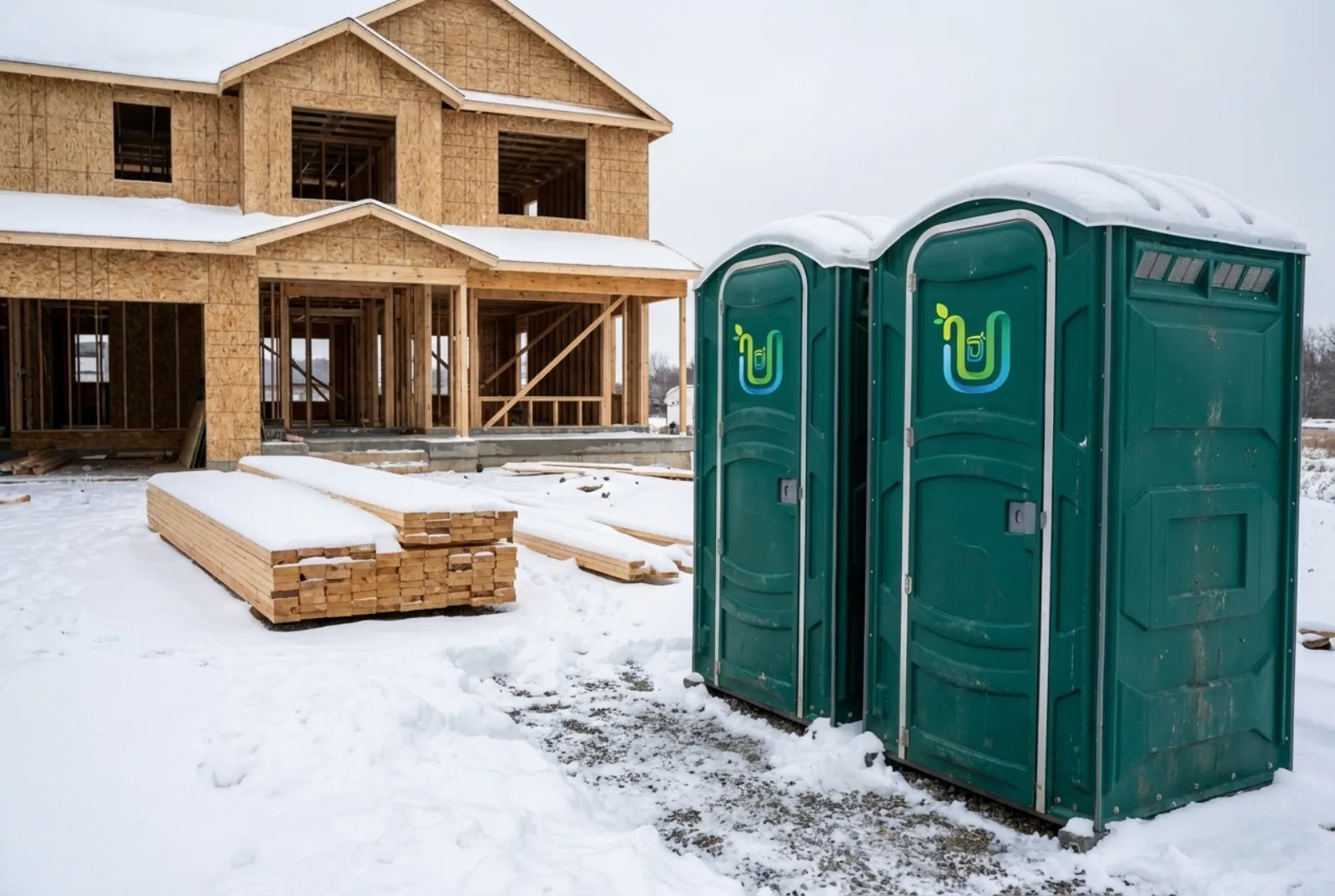
Standard units are the jobsite workhorse in Aurora. OSHA 1926.51(c) sets the minimum at 1 toilet for up to 20 workers, then 1 toilet plus 1 urinal per 40, and a unit has to be within about a 10-minute walk. On Aurora sites, from Buckley Space Force Base and Anschutz Medical Campus work to eastern high-plains housing, we size above the bare minimum so crews never wait, add a hand-wash station at the break area, and keep units out of the full high-plains afternoon sun where the site allows. On open ground we anchor units against sustained wind and steer placement clear of the fall line during hail season, and in the October-through-May shoulder seasons we keep the door on the lee side and place the drop where wind-driven drifts will not trap the service truck.
Weddings & upscale events
Deluxe flushing units or a luxury restroom trailer are the guest-facing picks. A flushing bowl and in-unit sink change how the whole event is remembered. For 100-plus guests, one trailer plus standard units for peak load usually beats two trailers on cost.
Public & permitted events
The 2010 ADA Standards require at least 5 percent of single-user units at a public event to be accessible, minimum one, each marked with the accessibility symbol. Every unit has ground-level entry, grab bars, and a full turning radius. Tell us your guest count and we build the right ratio in.
Food service & health-code sites
Wherever food is served or sold, health codes expect hand-washing. Pair a hand-wash station (one per roughly four toilets) with your units. Food-heavy events get one station per two toilets, and inspectors look for one near the vendors.
Delivery & placement in Aurora
Same-day and next-day drop-offs
We deliver across Aurora and Arapahoe County with same-day and next-day availability in most of the area when you book early. Weekend event units arrive clean before your event and leave after.
Level ground, clear approach
Units place best on firm, level ground with a clear path for the delivery truck. Restroom trailers need a reasonably level spot and access for delivery, and we confirm the site details with you before the truck rolls.
Permits handled
Private-property placement in Aurora generally needs no permit. Public streets, sidewalks, and permitted public events may require one. Tell us where the unit goes and we will confirm what your address needs.
Service & sanitation
4 service visits per month, built in
Every 28-day monthly rental in Aurora includes 4 service visits, roughly weekly. Each visit pumps the tank, sanitizes the interior, and restocks paper, soap, and sanitizer, so compliance never depends on a phone call.
Sized to OSHA 1926.51(c)
The federal construction sanitation rule sets 1 toilet for up to 20 workers, then 1 toilet and 1 urinal per 40, with a 10-minute access rule. We size Aurora jobsites to that standard and add units when crews grow or usage climbs.
Hand-wash stations to code
One hand-wash station serves roughly four toilet units, the ratio most health departments expect. For food-service events we recommend one station per two toilets, one near the vendors and one near the units.
What renting a porta potty in Aurora is actually like
Aurora is not a suburb of Denver and it is not a smaller Colorado Springs, so we do not price or service it like either one. Four local realities shape almost every Aurora order. It is Colorado's third-largest city and its most diverse, a real refugee and immigrant resettlement hub whose global commercial corridors, like Havana Street, run a genuinely community-centered market. It is home to Buckley Space Force Base and the Anschutz Medical Campus, two of the largest ongoing construction and operations engines in the metro. It sprawls east off Denver's foothill edge onto the flatter, windier, hail-prone high plains, so wind and summer hail matter here more than a foothill snow-dump. And when a unit touches the public right-of-way, the City of Aurora runs its own Temporary Use Permit, different from Denver's DOTI process and the Springs Revocable Permit. Here is how each one changes what we recommend.
Why high-plains wind and hail, not a foothill snow-dump, drive an Aurora order
Aurora sits at roughly 5,400 feet, a little above Denver, but the difference that matters is not the extra hundred feet of elevation. It is the terrain. Denver hugs the foothill edge of the Front Range; Aurora spreads east off that edge across more than 165 square miles of Arapahoe, Adams, and Douglas counties, out onto the flatter, drier, windier high plains. That open ground changes the weather math. There is more sustained wind exposure than in a foothill-sheltered neighborhood, and Aurora sits squarely in what Coloradans call hail alley: storms build over the mountains and drop their largest hail right across the metro's eastern corridor, so a single summer afternoon can put baseball-sized stones on a jobsite. Like the rest of the semi-arid Front Range, the air here is dry rather than humid like the Gulf Coast, so odor is driven far more by how often a unit is serviced than by how much deodorizer sits in the tank, and the mile-high sun is intense on any unit parked in open plains sun.
For that reason we treat weekly service as the floor for any busy Aurora jobsite or warm-weather event, and on high-traffic sites and food-service events we add a mid-week visit rather than stretch the schedule. The wind is the placement variable that out-of-town buyers underestimate here: on open high-plains ground with nothing to break the gusts, an unanchored unit can be pushed or tipped, so we anchor units and keep the door on the lee side rather than the wind side. During hail season we steer placement away from the fall line under a tall unsecured object where the site allows it, and we keep service-truck access clear so a unit can be reset and pumped the morning after a storm. Paying for the right service interval and the right anchoring is the single biggest difference between a unit people will actually use and one that ends up on its side.
Hail alley, wind-driven plains snow, and the long Aurora shoulder seasons
Aurora's defining seasonal hazard is not a deep northern snow load, and it is not the foothill storm that stalls against Denver's mountains. It is the high-plains convective storm. Because Aurora sits on the open piedmont east of the range, storms that strengthen as they descend toward the plains frequently produce their largest hail and strongest straight-line wind right over the Aurora corridor before continuing northeast. Hail is a recurring summer event across the Aurora area, the worst storms can drop stones up to baseball size, and a hail-and-wind event can dent, crack, or shift an unsecured unit and turn a lot into a sheet of ice in minutes. That is a materially different risk profile from Denver's fast wet snowstorms or the wildfire pressure that shapes Colorado Springs, and it is why anchoring and clear truck access are our first two planning moves on any open Aurora site.
The second reality is snow, which on the plains behaves differently than it does against the foothills. Storms tend to be short and sharp, but on open ground the real problem is blowing and drifting: wind piles snow against a unit's door on the windward side and scours it bare on the lee side, and the same wind can trap a service truck in a drift long after the road looks clear. The window is long, roughly October through May, so a spring festival or an early-fall jobsite is not automatically past the risk. If you are booking in the shoulder seasons, tell us whether the site sits on open high-plains ground with nothing to break the wind or in a low spot that collects meltwater, and we site and anchor the unit, keep the door on the lee side, and place the drop where a plow or a quick thaw will not trap the truck. Booking earlier in a storm-prone window protects both your date and your service run.
Placement across Buckley, Anschutz, the diverse corridors, and the City of Aurora permit
Aurora runs on a construction and operations base that most cities its size cannot match, and two engines stand out. Buckley Space Force Base, on the city's east side, is the headquarters of Space Base Delta 2 and a critical node in the nation's space-based missile-warning and infrared-detection satellite network, so it drives steady mission-support and installation construction that runs under its own base access and security rules, which we plan around rather than through the city. The Anschutz Medical Campus is the other. The University of Colorado Anschutz Medical Campus is the largest academic health center in the Rocky Mountain region, anchored by UCHealth University of Colorado Hospital, Children's Hospital Colorado, and the Rocky Mountain Regional VA Medical Center next to the 184-acre Fitzsimons Innovation Community, with more than 3 million patient visits a year. A live hospital and biomedical campus of that size means constant expansion, renovation, and infrastructure work where placements have to respect ambulance routes, patient access, and 24-hour operations, so we site units and hand-wash stations well clear of emergency and patient-drop lanes. Beyond those two, Aurora's growth as Colorado's third-largest city fills in with private housing and commercial work across the eastern high plains.
The city is also Colorado's most diverse, and that is an economic reality worth planning around rather than an afterthought. Aurora is where most of the refugees resettled in Colorado land at some point, the city runs its own Office of International and Immigrant Affairs and a formal Language Access Plan, and its international commercial corridors are real business districts: the On Havana Street improvement district alone holds hundreds of businesses, many owned by first- and second-generation immigrant families, with the metro's deepest bench of international restaurants and markets. That means grand openings, cultural festivals, place-of-worship events, and tenant build-outs across those corridors, and we serve them the same way we serve any Aurora customer, on the site's terms and timeline. On genuinely private property, a fenced construction site, a driveway, a private lot, or a backyard, you generally do not need a city permit for a portable toilet, and much of the newer development is governed by homeowners associations, which do not issue permits but often set their own rules on placement and duration, so on an HOA lot it is worth a quick check before the drop. The rules change the moment any part of the unit sits on a public street, sidewalk, or other city right-of-way. Aurora does not use Denver's DOTI street-occupancy process or the Springs Revocable Permit; the City of Aurora issues a Temporary Use Permit for private use of the right-of-way, excluding medians, and placement of items is limited to no more than six permits per calendar year with each application not to exceed nine consecutive days, provided the use is not an obstruction or hazard. The application fee is $85.25 and it runs through the Aurora Development Center. Tell us the exact address, whether the drop is private, on base, or in the right-of-way, and whether it is for construction or an event, and we confirm the path and coordinate the permit before the truck rolls. See the City of Aurora Temporary Use Permits page.
Google Reviews for Aurora
See what real customers say about Ultimate Dumpsters on Google.
Ultimate Dumpsters: Serving Aurora from Our Nationwide Network
Rating and review count pulled live from Ultimate Dumpsters' Google Business Profile.
Porta potty rental in Aurora, CO: FAQs
Common questions about portable toilet rental in Aurora, Colorado.
A standard portable toilet in Aurora, CO starts at $270 for a weekend rental (up to 7 days) or $320 per month, with 4 service visits included in every 28-day rental. Upgrades: deluxe flushing units run $374/weekend, ADA-accessible units $374/weekend, luxury restroom trailers from $1610/weekend. Every Aurora rate is all-inclusive: delivery, pickup, fuel, and environmental and local fees are built into the one price, so there are no surprise line items. Online orders are $0.39 higher than the phone price; either way, a vetted local partner delivers and services the unit, with one point of contact: us. Enter your ZIP for your exact Aurora rate.
OSHA's construction sanitation rule, 29 CFR 1926.51(c)(1), sets the floor: 1 toilet for 20 or fewer workers; 1 toilet seat and 1 urinal per 40 workers from 20 up to 200; and 1 toilet seat and 1 urinal per 50 workers above 200. OSHA also expects a worker to reach a toilet within about a 10-minute walk. On a busy Aurora jobsite out on the high plains east of Denver's foothills, sustained wind and summer hail matter more than a foothill snow-dump, so we recommend sizing above the OSHA minimum, adding a hand-wash station at the break area, anchoring units against wind on open ground, and, near Anschutz or Buckley, keeping placement clear of emergency, patient, and base access lanes. Tell us the crew size and we will size the order to the standard.
Our standard Aurora monthly rental includes 4 service visits over the 28-day period, roughly weekly. Each visit pumps the tank, sanitizes the interior, and restocks paper, soap, and hand sanitizer. Here that weekly interval is the floor, not the ceiling. On high-traffic jobsites, hospital-campus work, and food-service events along the Havana corridor we add a mid-week visit rather than stretch the schedule. Aurora's real service challenge is the high-plains swing and wind rather than steady heat: the mile-high sun heats a unit through a bright afternoon, then temperatures can fall toward freezing overnight and wind can blow grit and drift snow against the unit, so in the shoulder seasons and winter we watch the forecast and adjust the tank additive and service window so the unit stays usable at 6 a.m. as well as 2 p.m. Service is built into the rate, so compliance never depends on anyone remembering to call.
For an event open to the public, yes. The 2010 ADA Standards for Accessible Design require that at least 5 percent of the single-user portable toilets in each cluster be accessible, with a minimum of one, and each accessible unit is marked with the International Symbol of Accessibility. (Units provided only for construction workers are exempt.) In practice a small Aurora event needs at least one accessible unit; a larger one needs one per every 20 standard units. ADA units in Aurora run $374 for a weekend. The accessible unit has ground-level entry, interior grab bars, and a full wheelchair turning radius, and it needs firm, level ground with a clear approach path. Tell us your guest count and we will build the right ratio in.
On genuinely private property with clear truck access, a fenced construction site, a private lot, a driveway, or a backyard, you generally do not need a city permit for a portable toilet in Aurora. Work on Buckley Space Force Base runs under its own installation access and security rules, which we plan around rather than through the city, and placements on the Anschutz Medical Campus have to respect ambulance routes, patient access, and 24-hour operations. Much of the newer development is governed by homeowners associations, which do not issue permits but often set their own rules on placement and duration, so on an HOA lot it is worth checking with the association first. The moment any part of the unit sits on a public street, sidewalk, or other city right-of-way, the picture changes. Aurora does not use Denver's DOTI street-occupancy process or the Colorado Springs Revocable Permit; the City of Aurora issues a Temporary Use Permit for private use of the public right-of-way, excluding medians. Placement of items in the right-of-way is limited to no more than six permits per calendar year, each application not to exceed nine consecutive days, and the use may not constitute an obstruction or hazard. The application fee is $85.25 and the permit runs through the Aurora Development Center and Building Division. Tell us the exact address, whether the drop is private, on base, or in the right-of-way, and whether it is construction or an event, and we confirm the path and coordinate it before delivery.
A standard unit is the jobsite and everyday-event workhorse: enclosed, stocked, and cost-effective at $270/weekend. A deluxe flushing unit adds a foot-pump flushing bowl and an in-unit sink for guest-facing events like weddings and corporate functions at $374/weekend. A luxury restroom trailer is a climate-controlled, multi-stall unit with porcelain toilets, running-water sinks, and mirrors, indistinguishable from a fine-venue bathroom, from $1610/weekend. Pick by how guest-facing the site is and how long the rental runs.
Yes. We deliver and service portable toilets throughout Aurora and the surrounding Arapahoe County area, with same-day and next-day drop-offs available in most of the area when you book early. Weekend event units are delivered clean before your event and picked up after. Enter your ZIP or call (866) 858-3867 and we will confirm the soonest available delivery for your address.
Yes. A freestanding hand-wash station pairs with any toilet unit and needs no power or water hookup: it has a foot-pump faucet, soap, and paper towels, stocked at delivery and every service visit. One station serves roughly four toilet units, the ratio most health departments expect. For food and drink events in Aurora, plan a station near the vendors and one near the toilets to cover both inspection points.
As early as the calendar allows, and earlier than most people expect. Aurora is Colorado's third-largest and most diverse city, so its event calendar runs deep: cultural festivals and grand openings across the On Havana Street district, which alone holds hundreds of businesses, plus community events tied to Aurora's large East African, Latino, Asian, and Middle Eastern populations, on top of year-round Buckley Space Force Base and Anschutz Medical Campus construction pulling units for jobsites. Big dates take units off the market fast. The high-plains weather adds its own pressure: summer brings hail alley and severe wind, and the October-through-May shoulder seasons bring wind-driven plains snow. Give us the date, the site, and the guest or crew count, and we lock the unit count, any wind anchoring or hail-season staging, the service interval, the delivery-and-pickup timing, and any City of Aurora right-of-way permit around your date.
Sources & standards
The sanitation, accessibility, and permit guidance on this page traces to the primary sources below. We cite them so you can verify the rules for your Aurora job yourself, not just take our word for it.
- OSHA 29 CFR 1926.51(c), Sanitation (construction)
Federal toilet-to-worker ratios for construction sites.
- 2010 ADA Standards for Accessible Design (DOJ, ADA.gov)
Scoping and technical rules for accessible single-user toilet units.
- U.S. Access Board, Chapter 6: Toilet Rooms
Plain-language guidance on the 5% accessible-unit scoping rule at events.
- City of Aurora, Temporary Use Permit (public right-of-way), Development Center
The City of Aurora office that issues a Temporary Use Permit for private use of the public right-of-way, excluding medians. Placement of items in the right-of-way is limited to no more than six permits per calendar year, each application not to exceed nine consecutive days, provided the use does not constitute an obstruction or hazard. The application fee is $85.25, processed through the Aurora Development Center and Building Division.
- National Weather Service Denver/Boulder, Climate Data
Official NOWData temperature, precipitation, and snowfall records for Denver-metro stations, including the October-through-May snow window.
- University of Colorado Anschutz, About
The largest academic health campus in the Rocky Mountain region, with more than 3 million patient visits a year at its partner hospitals.
- City of Aurora, Office of International and Immigrant Affairs
The city office that supports immigrant and refugee integration, along with the Immigrant and Refugee Commission and the Language Access Plan.
Federal standards apply nationwide; local permit rules are specific to Aurora and the City of Aurora Development Center and Building Division (Temporary Use Permit for the public right-of-way). Requirements can change, so we confirm the current rule for your exact address before delivery.
Written and maintained by the Ultimate Dumpsters operations team

Reviewed by Michael V., Head of Operations, on .
We coordinate portable-sanitation deliveries nationwide through a vetted carrier network, so the placement, permit, and sizing guidance on this page comes from jobs run on the ground, not a directory. We recheck the Aurora permit authority and the federal sanitation and accessibility standards on a set schedule and update this page when the rules change.
Local facts last reviewed . Prices last verified .
How Aurora porta potty rental connects to the rest of the job
Portable sanitation rarely stands alone. These are the related decisions that come up on the same Aurora project, and where to handle each one.
Site debris & cleanup
A porta potty and a roll-off dumpster share the same jobsite footprint and the same right-of-way permit path in Aurora. Crews that need one usually need the other.
Aurora dumpster rentalOSHA jobsite compliance
Toilet counts are one line in OSHA 1926.51(c). Hand-wash stations, water, and sanitary condition are the rest of the sanitation standard for a compliant crew.
Construction porta pottiesUpscale & public events
Guest-facing events trade the standard unit for flushing units or a restroom trailer, and the ADA 5 percent accessible-unit rule kicks in the moment the event is open to the public.
Luxury restroom trailersMore site services in Aurora
Dumpster rental in Aurora
Roll-off dumpsters, 10 to 40 yard, same-day delivery in Aurora.
Portable toilets by state
Browse portable toilet rental across all 50 states and DC.
Porta potties in Colorado
All Colorado cities we serve for portable toilet rental.
Luxury restroom trailers
Climate-controlled multi-stall trailers for upscale events.
Event portable toilets
Weddings, festivals, and public events, sized to your guest count.
Construction porta potties
OSHA-compliant jobsite units with weekly service.
Portable toilet rental near Aurora
Ready to book a porta potty in Aurora?
Call (866) 858-3867 for an on-the-spot quote, or order online in minutes.
Get Your All-Inclusive Price Today
One call. One price. Zero surprises. Get a real quote in minutes from one of America's highest-rated dumpster & site-service companies.
- No obligation
- Same-day available
- No hidden fees
Get my instant price
Enter your ZIP. See availability & pricing in seconds.

Live agents standing by
Real people answer, no phone trees