
Porta Potty Rental in St. Paul, MN
Portable toilet rental in St. Paul starts at $345 for a weekend or $395 per month, all-inclusive. Ultimate Dumpsters delivers and services standard, deluxe flushing, ADA-accessible, hand-wash, and luxury restroom-trailer units across St. Paul and Ramsey County. No brokers, no surprise fees.
Live agents standing by. Calling is the fastest way to book.
Updated , reviewed by Michael V., Head of Operations. Prices pulled from our live St. Paul rate sheet.
St. Paul porta potty pricing at a glance
- Standardfrom $345/weekend
- Deluxe Flushingfrom $449/weekend
- ADA-Accessiblefrom $449/weekend
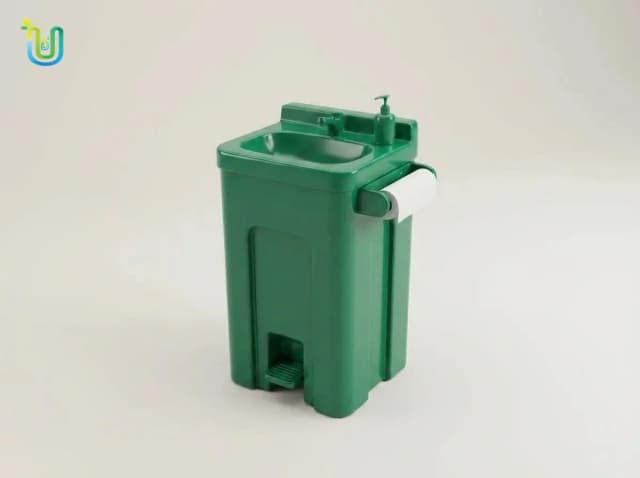
- Hand-Wash Stationfrom $345/weekend
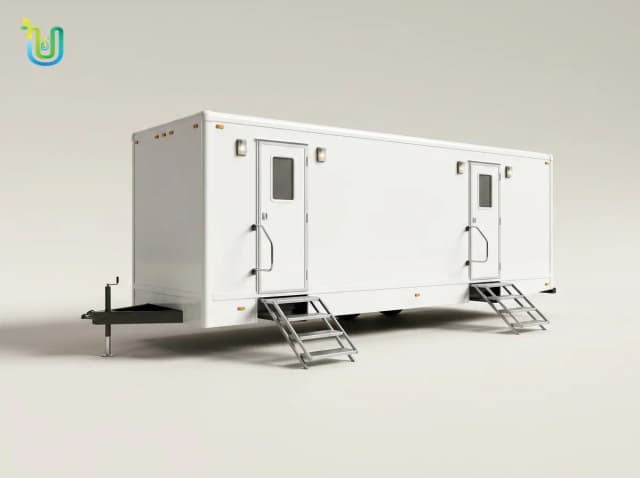
- Restroom Trailerfrom $1610/weekend
Serving St. Paul and Ramsey County
Same Day
Delivery Available
4.3 Stars
Company-wide Google rating
Flat Rate
No Hidden Fees
4 Visits
Per Monthly Rental
How much does a porta potty cost in St. Paul?
A standard portable toilet in St. Paul, MN starts at $345 for a weekend rental (up to 7 days), or $395 per month with 4 service visits included in every 28-day rental. Guest-facing and specialty units cost more: deluxe flushing and ADA-accessible units, hand-wash stations, and luxury restroom trailers are all priced in the table below. Every St. Paul rate is all-inclusive.
The number we quote is the number you pay. Delivery, pickup, fuel, and environmental and local fees are all folded into the one price. Online orders are $0.39 higher than the phone rate; either way, a vetted local partner delivers and services the unit, with one point of contact: us. Prices last verified September 2026.
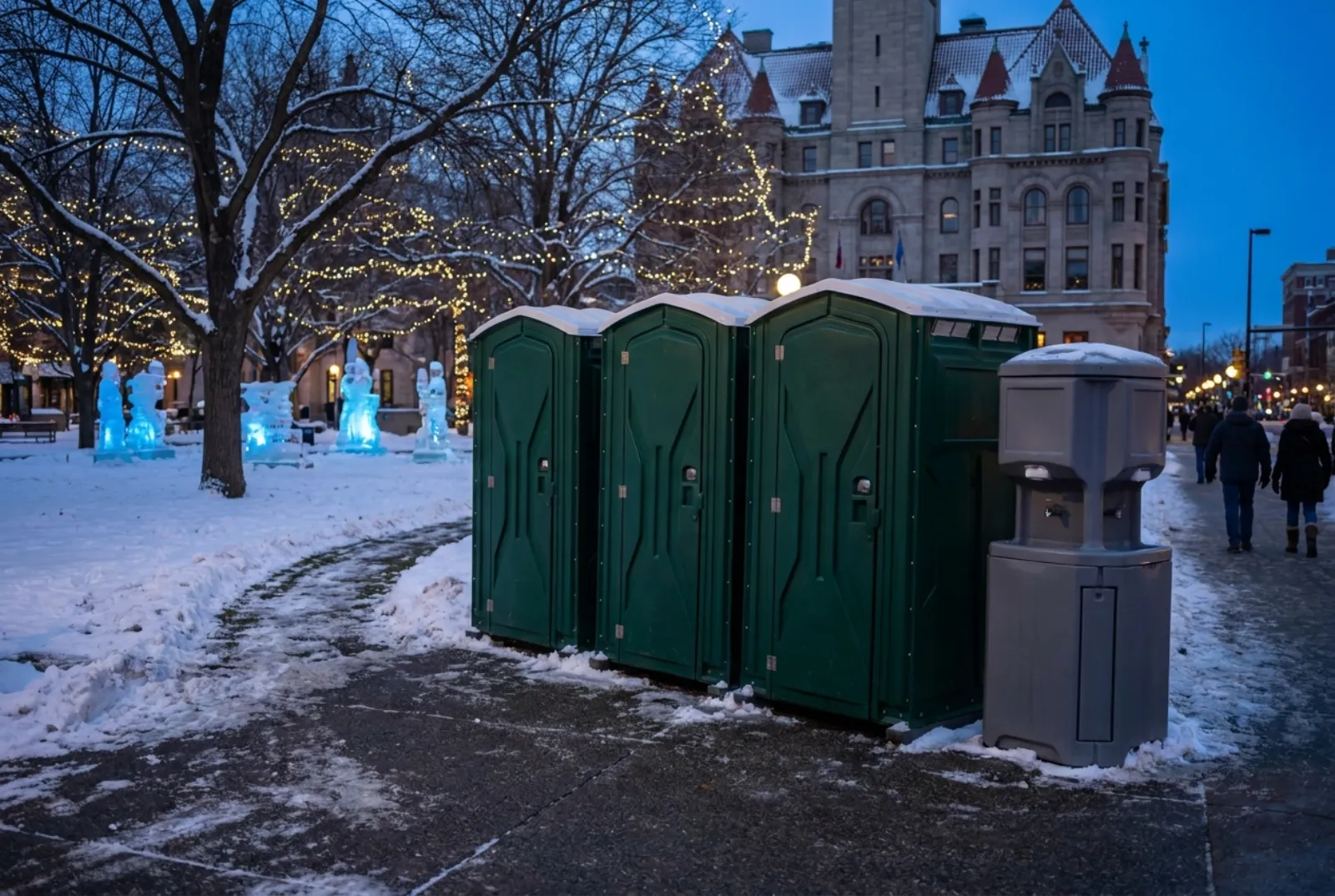
St. Paul portable toilet prices by type
Real St. Paul, MN rates. The weekend rate covers up to 7 days; the monthly rate is 28 days and includes 4 service visits. Your exact price shows at checkout.
| Unit type | Weekend (up to 7 days) | Monthly (28 days, 4 visits) | What is included |
|---|---|---|---|
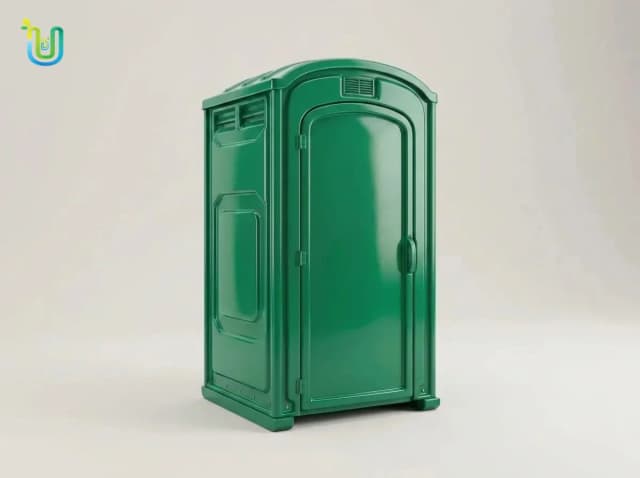
| Standard Portable Toilet | from $345online $345.39 | from $395online $395.39 | Enclosed unit, hand sanitizer, and toilet paper. Restocked at every service visit. |
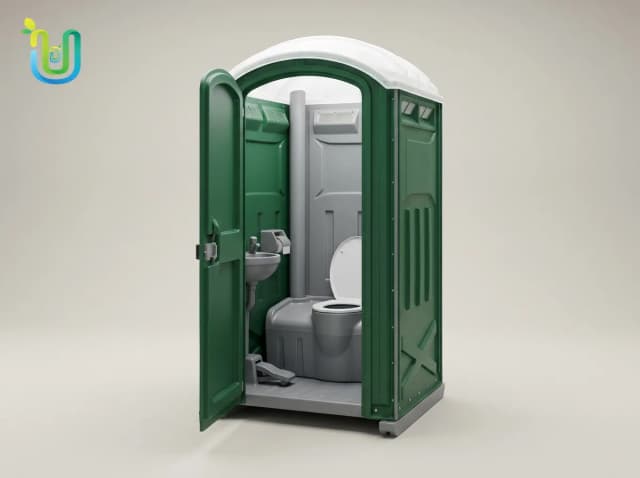
| Deluxe Flushing Portable Toilet | from $449online $449.39 | from $499online $499.39 | Foot-pump flushing bowl plus an in-unit hand-wash sink. The guest-friendly upgrade. |
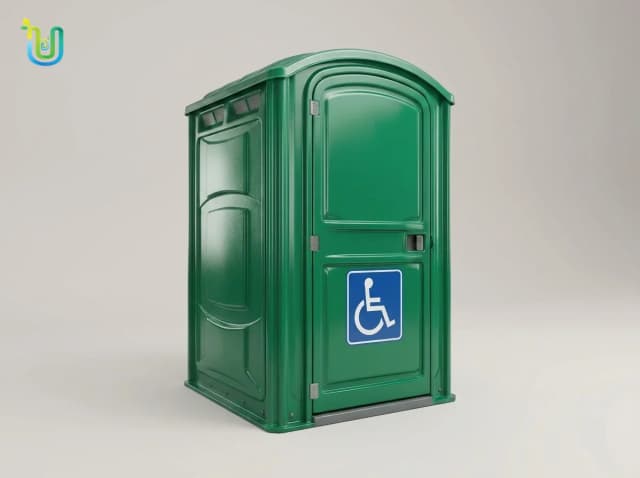
| ADA-Accessible Portable Toilet | from $449online $449.39 | from $499online $499.39 | Ground-level entry, interior grab bars, and a full wheelchair turning radius. ADA-compliant. |
| Portable Hand-Wash Station | from $345online $345.39 | from $395online $395.39 | Freestanding basin with a foot-pump faucet, soap, and paper towels. No hookups needed. |
| Luxury Restroom Trailer | from $1610online $1610.39 | from $1930online $1930.39 | Climate-controlled multi-stall trailer with flushing porcelain toilets, running-water sinks, mirrors, and lighting. |
Phone price shown as the “from” rate. Online orders are $0.39 higher. Delivery, pickup, fuel, and environmental and local fees are included in every rate.
How many portable toilets you need in St. Paul
Jobsite counts follow OSHA 29 CFR 1926.51(c); event counts follow the ratios most health departments and event permits expect. Use this as a starting point, then tell us your exact St. Paul crew or guest count and we size the order to code.
| People on site | Jobsite (OSHA, full week) | Public event (peak crowd) | Hand-wash stations |
|---|---|---|---|
| Up to 20 | 1 toilet | 1-2 toilets | 1 station |
| 20 to 50 | 2 toilets | 2-3 toilets | 1 station |
| 50 to 100 | 2-3 toilets | 3-4 toilets | 1-2 stations |
| 100 to 250 | 3-5 toilets | 5-7 toilets | 2 stations |
| 250 to 500 | 5-8 toilets | 8-12 toilets | 3 stations |
| 500 to 1,000 | Ask for a site plan | 13-20 toilets | 4-5 stations |
OSHA sets the jobsite floor: 1 toilet for up to 20 workers, then 1 toilet and 1 urinal per 40 up to 200, and 1 per 50 above that, with a unit within about a 10-minute walk. Event ratios assume a multi-hour crowd with food and drink; add units for alcohol, all-day duration, or long lines. At least 5 percent of event units (minimum one) must be ADA accessible.
How we set St. Paul porta potty prices
Every price on this page comes straight from our live St. Paul rate sheet, the same numbers our phone team and online checkout quote. Nothing here is an estimate, a national average, or a “starting at” teaser that grows at checkout.
- Source
- The Ultimate Dumpsters pricing matrix our order desk quotes from, read for St. Paul, MN (ZIP 55101).
- What is priced
- 10 rates: 5 unit types, each at a weekend rate (up to 7 days) and a monthly rate (28 days with 4 service visits).
- Date
- Synced September 29, 2026, and re-synced whenever the St. Paul rate sheet changes.
- Included
- Delivery, pickup, fuel, and environmental and local fees. The phone price is the price; online orders are $0.39 higher.
- Limits
- Rates are for one unit at one St. Paul address. Other ZIPs in the area can price differently, and multi-unit events, extra service visits, and special placements are quoted to the job. Enter your ZIP for your exact rate.
Cite this pricing
Ultimate Dumpsters, “Porta Potty Rental in St. Paul, MN” rate sheet, updated September 29, 2026. https://dumpsterrentals.us/services/portable-toilets/minnesota/st-paul
Which portable toilet do you need in St. Paul?
Two questions size every order: how many people, and for how long. Here is how the five unit types map to the most common St. Paul jobs.
Construction & jobsites
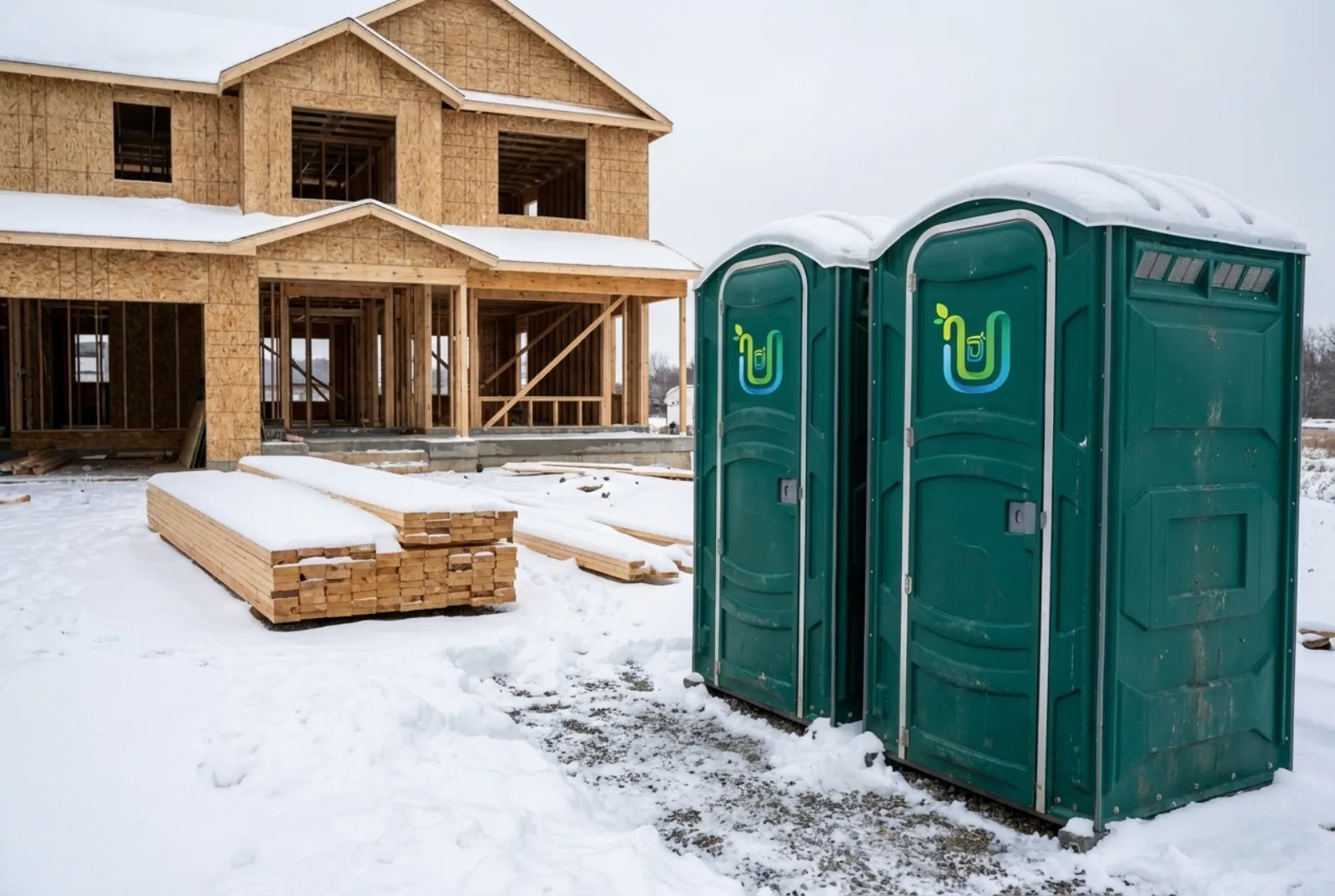
Standard units are the jobsite workhorse in St. Paul. OSHA 1926.51(c) sets the minimum at 1 toilet for up to 20 workers, then 1 toilet plus 1 urinal per 40, and a unit has to be within about a 10-minute walk. In St. Paul winters we winterize the unit with a non-toxic antifreeze charge so a frozen tank never takes it out of service, site it out of the open wind and on firm, level ground that accounts for frost heave and drifting snow, keep the access lane clear of plowing, and in the humid summer size above the bare minimum and add a hand-wash station at the break area so crews never wait.
Weddings & upscale events
Deluxe flushing units or a luxury restroom trailer are the guest-facing picks. A flushing bowl and in-unit sink change how the whole event is remembered. For 100-plus guests, one trailer plus standard units for peak load usually beats two trailers on cost.
Public & permitted events
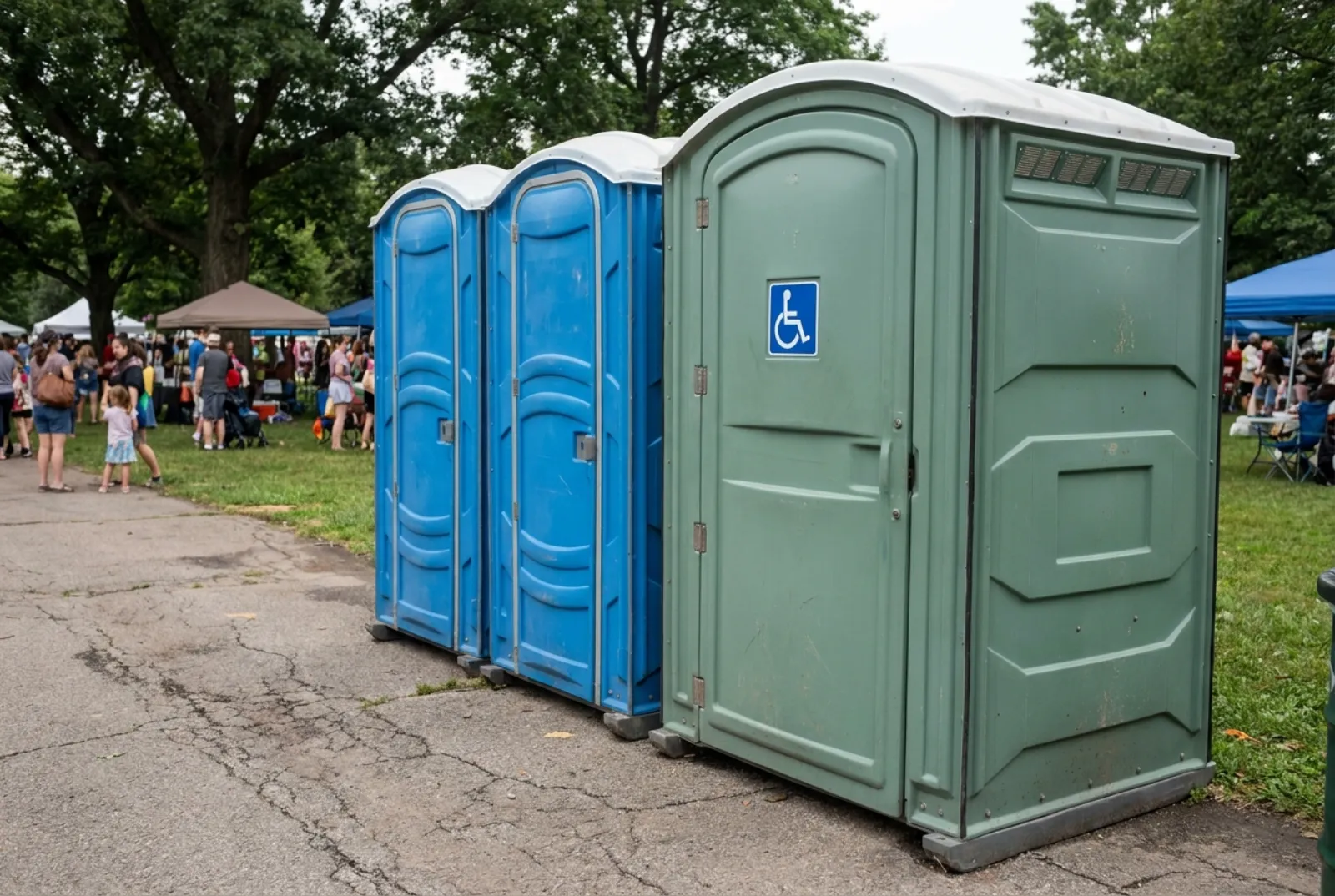
The 2010 ADA Standards require at least 5 percent of single-user units at a public event to be accessible, minimum one, each marked with the accessibility symbol. Every unit has ground-level entry, grab bars, and a full turning radius. Tell us your guest count and we build the right ratio in.
Food service & health-code sites
Wherever food is served or sold, health codes expect hand-washing. Pair a hand-wash station (one per roughly four toilets) with your units. Food-heavy events get one station per two toilets, and inspectors look for one near the vendors.
Delivery & placement in St. Paul
Same-day and next-day drop-offs
We deliver across St. Paul and Ramsey County with same-day and next-day availability in most of the area when you book early. Weekend event units arrive clean before your event and leave after.
Level ground, clear approach
Units place best on firm, level ground with a clear path for the delivery truck. Restroom trailers need a reasonably level spot and access for delivery, and we confirm the site details with you before the truck rolls.
Permits handled
Private-property placement in St. Paul generally needs no permit. Public streets, sidewalks, and permitted public events may require one. Tell us where the unit goes and we will confirm what your address needs.
Service & sanitation
4 service visits per month, built in
Every 28-day monthly rental in St. Paul includes 4 service visits, roughly weekly. Each visit pumps the tank, sanitizes the interior, and restocks paper, soap, and sanitizer, so compliance never depends on a phone call.
Sized to OSHA 1926.51(c)
The federal construction sanitation rule sets 1 toilet for up to 20 workers, then 1 toilet and 1 urinal per 40, with a 10-minute access rule. We size St. Paul jobsites to that standard and add units when crews grow or usage climbs.
Hand-wash stations to code
One hand-wash station serves roughly four toilet units, the ratio most health departments expect. For food-service events we recommend one station per two toilets, one near the vendors and one near the units.
What renting a porta potty in St. Paul is actually like
St. Paul is Minnesota's capital and the eastern half of the Twin Cities, and it is a genuinely different job to service than its neighbor Minneapolis across the river. We price and stage it around four realities that are St. Paul's own: a state-capital and civic economy built around the Minnesota State Capitol, the courts, and downtown headquarters like Ecolab, where government offices, the legislative session, and civic events set the demand; an older, more preserved historic city of Victorian mansions along Summit Avenue, the Cathedral of Saint Paul, Rice Park, and the Landmark Center, where tight, historic blocks and preservation districts shape where a unit can sit; a working Mississippi River port at the practical head of barge navigation, where Lowertown, the river landings, and the bluffs put placements on port ground and river-adjacent sites; and the same deep continental cold the whole Twin Cities shares, made famous here by the Saint Paul Winter Carnival, running since 1886. Here is how each one changes what we recommend.
Why the Twin Cities cold changes how a St. Paul unit gets serviced
St. Paul shares the Minneapolis-Saint Paul climate, one of the coldest of any major US metro. The daily mean temperature in January is only about 16 degrees, and the Twin Cities average roughly 51 inches of snow a year, with about 11 of those inches falling in January alone. For a portable toilet that combination is the whole ballgame: the standing waste in any tank and the water in a flushing unit or a hand-wash tank freeze solid, and a frozen tank cannot be pumped or used, so an unwinterized unit is simply out of service until it thaws. St. Paul made a civic identity out of this cold. The Saint Paul Winter Carnival has run since 1886, one of the oldest winter festivals in the country, and its ice palaces and outdoor programming draw crowds in the depth of January. Outdoor winter events at that scale mean restroom demand in exactly the temperatures that freeze an untreated unit.
For cold-weather St. Paul jobs and winter events, including Winter Carnival grounds and Rice Park programming, we winterize the unit rather than gamble on a warm stretch that rarely comes. That means a non-toxic antifreeze charge in the tank, siting the unit out of the open wind where a building line, a bluff, or a windbreak lets us, and holding service on schedule so waste never sits and freezes between visits. In a hard St. Paul freeze we recommend a standard non-flush unit over a flushing one, because there is no water line to freeze, and we plan the winter service interval around the forecast and the plowing, not a fixed calendar date, since a snow-drifted or freshly plowed downtown or riverfront site can bury an access lane overnight.
Frost heave, deep ground freeze, and warm humid summers
The St. Paul frost line runs deep. The Minnesota State Building Code sets a minimum footing depth of 42 inches, three and a half feet, for Ramsey County and the rest of southern Minnesota, which is the code's floor for how far below grade the ground can freeze in a normal winter, and in a low-snow year, when there is little snow cover to insulate the soil, frost can push deeper still. A portable toilet never sits on a footing, but the effect shows up at ground level: the surface freezes, thaws, and heaves, so a unit set on soft or unprepared ground through a freeze-thaw cycle can tilt or shift, and an anchor set in frozen ground behaves very differently than one set in summer soil. We site winter units on firm, level, well-drained ground, use ground protection where the surface is churned, and account for frost heave and drifting snow when we choose the spot and plan the anchoring so the unit stays level and reachable all season.
Summer is the other extreme. Twin Cities July highs average in the low 80s, summers are genuinely humid with dew points that regularly climb into the 70s, and the severe-storm season runs from spring into fall, with the summer months carrying much of the year's precipitation. Heat and humidity mean crews and guests hydrate and use the unit more, and an active thunderstorm season means wind that can move an unanchored unit, so in the warm months we size above the bare minimum, service more often, and anchor for storm wind on exposed riverfront, bluff-top, and Lowertown sites. Between the subzero winter and the humid, stormy summer, St. Paul asks a temporary restroom to handle one of the widest annual temperature swings of any city we serve.
Placement on Capitol, historic, riverfront, and jobsite ground
St. Paul is Minnesota's capital, and its economy leads with government and civic life rather than the private milling and corporate towers that define Minneapolis. The Minnesota State Capitol, Cass Gilbert's 1905 building crowned by its towering white marble dome, anchors a civic complex of state offices, courts, and the legislature, and downtown carries St. Paul's own headquarters names, with Ecolab based in the Travelers North Tower downtown and 3M headquartered on its campus in neighboring Maplewood. St. Paul is also the more historic, more preserved of the Twin Cities: Summit Avenue carries one of the country's great stretches of Victorian residential architecture, running from the Cathedral of Saint Paul toward the river past the James J. Hill House, the Governor's Residence, and F. Scott Fitzgerald's boyhood row house, and much of it sits inside city and national historic districts. On tight Capitol-area, Summit Avenue, Rice Park, and Landmark Center blocks we confirm truck access, overhead clearance, and where a unit can sit clear of pedestrian traffic and historic frontage before we commit a date.
The river is St. Paul's fourth reality. The city grew as a river port on the Upper Mississippi, and Lowertown grew up around the Lower Landing at the foot of Jackson Street, now Lambert's Landing, which has been a tie-up for commercial river vessels since the steamboat era. The Saint Paul Port Authority still operates public river terminals along the working port, so riverfront and Lowertown placements can land on port ground, on the bluffs, or near active barge and rail operations, and we plan access and anchoring accordingly. On genuinely private property with clear access, a driveway, a private lot, or a fenced jobsite, you generally do not need a city permit. The moment any part of the unit sits on a public street, sidewalk, boulevard, or alley, a City of Saint Paul use-of-street obstruction permit comes into play, and the unit can never block a curb ramp, a hydrant, a building entrance, or the clear accessible path. Saint Paul Public Works issues the use-of-street permit that covers a dumpster, portable toilet, or other obstruction in the public right-of-way. The exact path depends on the block, the use, and how long the unit stays, so tell us the exact address, whether the drop is private, on port land, or in the right-of-way, and whether it is for construction or an event, and we confirm the requirement and coordinate it before the truck rolls. See the City of Saint Paul Public Works right-of-way permits.
Google Reviews for St. Paul
See what real customers say about Ultimate Dumpsters on Google.
Ultimate Dumpsters: Serving St. Paul from Our Nationwide Network
Rating and review count pulled live from Ultimate Dumpsters' Google Business Profile.
Porta potty rental in St. Paul, MN: FAQs
Common questions about portable toilet rental in St. Paul, Minnesota.
A standard portable toilet in St. Paul, MN starts at $345 for a weekend rental (up to 7 days) or $395 per month, with 4 service visits included in every 28-day rental. Upgrades: deluxe flushing units run $449/weekend, ADA-accessible units $449/weekend, luxury restroom trailers from $1610/weekend. Every St. Paul rate is all-inclusive: delivery, pickup, fuel, and environmental and local fees are built into the one price, so there are no surprise line items. Online orders are $0.39 higher than the phone price; either way, a vetted local partner delivers and services the unit, with one point of contact: us. Enter your ZIP for your exact St. Paul rate.
OSHA's construction sanitation rule, 29 CFR 1926.51(c)(1), sets the floor: 1 toilet for 20 or fewer workers; 1 toilet seat and 1 urinal per 40 workers from 20 up to 200; and 1 toilet seat and 1 urinal per 50 workers above 200. OSHA also expects a worker to reach a toilet within about a 10-minute walk. On a St. Paul jobsite we recommend sizing above the bare OSHA minimum so crews never wait, adding a hand-wash station at the break area, and in the winter months winterizing the unit and siting it on firm, level, wind-sheltered ground so subzero cold, a deep frost line, and drifting snow never take it out of service. Tell us the crew size and we will size the order to the standard.
Our standard St. Paul monthly rental includes 4 service visits over the 28-day period, roughly weekly. Each visit pumps the tank, sanitizes the interior, and restocks paper, soap, and hand sanitizer. That weekly interval is the floor, not the ceiling: we add a mid-week visit on high-traffic jobsites, Capitol-area civic events, and food-service events, and in the humid summer, when July highs average in the low 80s with dew points in the 70s, heavier use can call for more frequent service. In the cold months, when the January daily mean is near 16 degrees and the metro averages roughly 51 inches of snow, we winterize the tank and hold service on schedule so waste never sits and freezes solid between visits, and we plan the interval around the forecast and the plowing so the truck can always reach the unit. Service is built into the rate, so compliance never depends on anyone remembering to call.
For an event open to the public, yes. The 2010 ADA Standards for Accessible Design require that at least 5 percent of the single-user portable toilets in each cluster be accessible, with a minimum of one, and each accessible unit is marked with the International Symbol of Accessibility. (Units provided only for construction workers are exempt.) In practice a small St. Paul event needs at least one accessible unit; a larger one needs one per every 20 standard units. ADA units in St. Paul run $449 for a weekend. The accessible unit has ground-level entry, interior grab bars, and a full wheelchair turning radius, and it needs firm, level ground with a clear approach path. Tell us your guest count and we will build the right ratio in.
On genuinely private property with clear access, a driveway, a private parking lot, or a fenced construction site, you generally do not need a city permit for a portable toilet in St. Paul. The moment any part of the unit sits on a public street, sidewalk, boulevard, or alley, a City of Saint Paul use-of-street obstruction permit comes into play, and the unit can never block a curb ramp, a hydrant, a building entrance, or the clear accessible path. Saint Paul Public Works issues the use-of-street permit that covers a dumpster, portable toilet, or other obstruction of the public right-of-way, and riverfront and Lowertown work near the Saint Paul Port Authority terminals can involve port ground on top of any city requirement. In the deep cold, placement is also a service question, because a unit has to sit where the truck can still reach it after plowing and drifting. The exact path depends on the block, the use, and the duration, so tell us the exact address, whether the drop is private, on port land, or in the right-of-way, and whether it is construction or an event, and we confirm the requirement and coordinate it before delivery.
A standard unit is the jobsite and everyday-event workhorse: enclosed, stocked, and cost-effective at $345/weekend. A deluxe flushing unit adds a foot-pump flushing bowl and an in-unit sink for guest-facing events like weddings and corporate functions at $449/weekend. A luxury restroom trailer is a climate-controlled, multi-stall unit with porcelain toilets, running-water sinks, and mirrors, indistinguishable from a fine-venue bathroom, from $1610/weekend. Pick by how guest-facing the site is and how long the rental runs.
Yes. We deliver and service portable toilets throughout St. Paul and the surrounding Ramsey County area, with same-day and next-day drop-offs available in most of the area when you book early. Weekend event units are delivered clean before your event and picked up after. Enter your ZIP or call (866) 858-3867 and we will confirm the soonest available delivery for your address.
Yes. A freestanding hand-wash station pairs with any toilet unit and needs no power or water hookup: it has a foot-pump faucet, soap, and paper towels, stocked at delivery and every service visit. One station serves roughly four toilet units, the ratio most health departments expect. For food and drink events in St. Paul, plan a station near the vendors and one near the toilets to cover both inspection points.
We winterize the unit rather than gamble on a warm stretch that rarely comes, because St. Paul shares the Twin Cities cold, one of the coldest of any major US metro. The January daily mean is only about 16 degrees, the metro averages roughly 51 inches of snow a year, and the Saint Paul Winter Carnival runs outdoor events in exactly those temperatures, so the water in a flushing unit or a hand-wash tank and the standing waste in any tank will freeze solid, and a frozen tank cannot be pumped or used. Winterizing means a non-toxic antifreeze charge in the tank, siting the unit out of the open wind behind a building line, a bluff, or a windbreak, and holding service on schedule so waste never sits and freezes between visits. In a hard freeze we recommend a standard non-flush unit over a flushing one, since there is no water line to freeze, and we plan the service interval around the forecast and the plowing rather than a fixed calendar date, because a drifted or freshly plowed downtown or riverfront site can bury an access lane overnight.
Sources & standards
The sanitation, accessibility, and permit guidance on this page traces to the primary sources below. We cite them so you can verify the rules for your St. Paul job yourself, not just take our word for it.
- OSHA 29 CFR 1926.51(c), Sanitation (construction)
Federal toilet-to-worker ratios for construction sites.
- 2010 ADA Standards for Accessible Design (DOJ, ADA.gov)
Scoping and technical rules for accessible single-user toilet units.
- U.S. Access Board, Chapter 6: Toilet Rooms
Plain-language guidance on the 5% accessible-unit scoping rule at events.
- City of Saint Paul Public Works, right-of-way use-of-street permits
A City of Saint Paul use-of-street permit is required for any work, material storage, dumpster, or other obstruction of any portion of the public right-of-way, including sidewalk, street, boulevard, or alley; dumpsters and similar items placed on private property do not require the permit. Riverfront terminals along the Port of St. Paul are managed by the Saint Paul Port Authority.
- National Weather Service Twin Cities, Climate and Past Weather
NOWData normals for Minneapolis-St. Paul International Airport: a January mean near 16 degrees and about 51 inches of snow a year.
- Minnesota Rules 1303.1600, Footing Depth for Frost Protection
Minimum 3-1/2 foot frost footing depth in Zone II, which includes Ramsey County.
- Minnesota Historical Society, Minnesota State Capitol Architecture
Cass Gilbert's Capitol and its white marble dome, the seat of state government since 1905.
- City of Saint Paul, Heritage Preservation
The city's historic districts and design review that govern preserved blocks like Summit Avenue.
Federal standards apply nationwide; local permit rules are specific to St. Paul and City of Saint Paul Public Works. Requirements can change, so we confirm the current rule for your exact address before delivery.
Written and maintained by the Ultimate Dumpsters operations team

Reviewed by Michael V., Head of Operations, on .
We coordinate portable-sanitation deliveries nationwide through a vetted carrier network, so the placement, permit, and sizing guidance on this page comes from jobs run on the ground, not a directory. We recheck the St. Paul permit authority and the federal sanitation and accessibility standards on a set schedule and update this page when the rules change.
Local facts last reviewed . Prices last verified .
How St. Paul porta potty rental connects to the rest of the job
Portable sanitation rarely stands alone. These are the related decisions that come up on the same St. Paul project, and where to handle each one.
Site debris & cleanup
A porta potty and a roll-off dumpster share the same jobsite footprint and the same right-of-way permit path in St. Paul. Crews that need one usually need the other.
St. Paul dumpster rentalOSHA jobsite compliance
Toilet counts are one line in OSHA 1926.51(c). Hand-wash stations, water, and sanitary condition are the rest of the sanitation standard for a compliant crew.
Construction porta pottiesUpscale & public events
Guest-facing events trade the standard unit for flushing units or a restroom trailer, and the ADA 5 percent accessible-unit rule kicks in the moment the event is open to the public.
Luxury restroom trailersMore site services in St. Paul
Dumpster rental in St. Paul
Roll-off dumpsters, 10 to 40 yard, same-day delivery in St. Paul.
Portable toilets by state
Browse portable toilet rental across all 50 states and DC.
Porta potties in Minnesota
All Minnesota cities we serve for portable toilet rental.
Luxury restroom trailers
Climate-controlled multi-stall trailers for upscale events.
Event portable toilets
Weddings, festivals, and public events, sized to your guest count.
Construction porta potties
OSHA-compliant jobsite units with weekly service.
Portable toilet rental near St. Paul
Ready to book a porta potty in St. Paul?
Call (866) 858-3867 for an on-the-spot quote, or order online in minutes.
Get Your All-Inclusive Price Today
One call. One price. Zero surprises. Get a real quote in minutes from one of America's highest-rated dumpster & site-service companies.
- No obligation
- Same-day available
- No hidden fees
Get my instant price
Enter your ZIP. See availability & pricing in seconds.

Live agents standing by
Real people answer, no phone trees