The Two Numbers That Size Every Order
Every porta potty order comes down to two questions: how many people, and for how long. Get those right and the rest is adjustments.
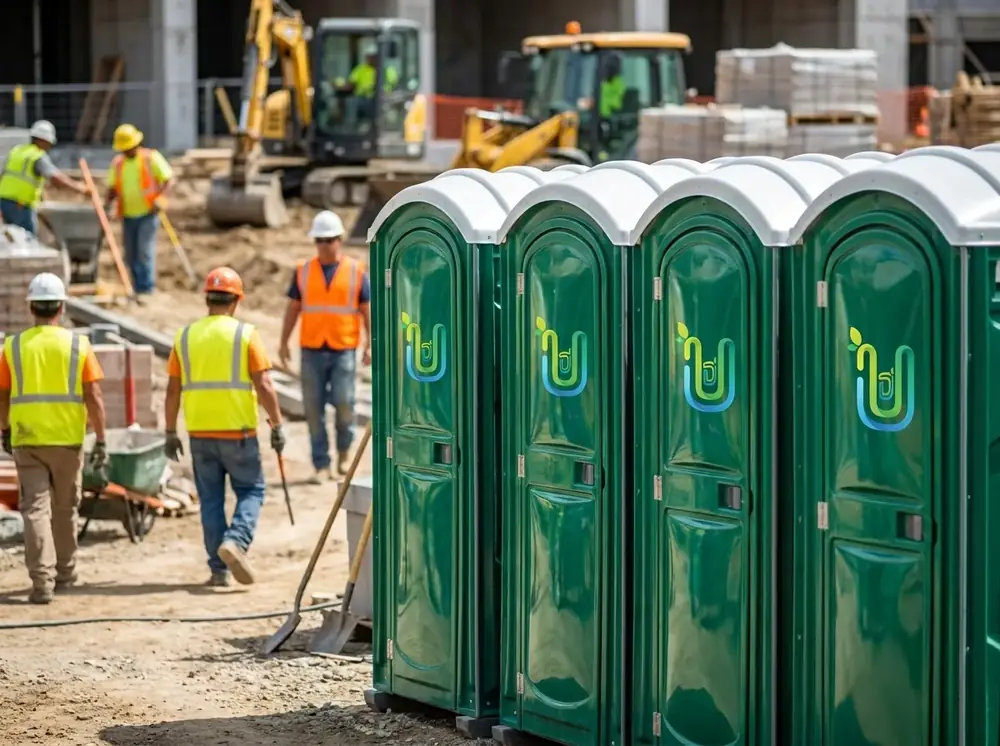
For jobsites: the standard is one unit per 10 workers on a 40-hour week. That's the baseline sanitation guideline used across the industry, and it's the number inspectors have in their heads. A 25-person crew needs three units, not two.
For events: one unit per 50-75 guests for a four-hour event. Closer to 50 if you want no lines; 75 if the crowd flows through gradually.
The Adjustments People Forget
- Food or alcohol served: add about 20% more units. Both increase restroom traffic dramatically.
- Summer heat: crews drink more water. Longer pours, more breaks, so round up.
- Event length: doubling the hours doesn't double the need, but a full-day event should step up one tier from the four-hour math.
- Women's lines: for public events, more units beats fewer every time. Lines form at the event's peak, not its average.
Jobsite Duration Changes the Answer
A two-week punch-list crew and a nine-month build are different orders. Long projects should plan around the monthly rate. It includes scheduled service visits, so the unit stays usable in month four the way it was on day one. Weekend and short-project work fits the event rate better.
Don't Forget the Add-Ons
- Hand-wash stations: one per four toilet units is the working ratio; one per two when food is involved.
- ADA-accessible units: required at public events and on most permitted jobs, so plan at least one per cluster.
The Expensive Mistake
Underordering. A crew waiting on one unit is labor you're paying for and not getting. When the count is borderline, the extra unit almost always pays for itself.