
Dumpster Weight Limits & Overage Fees
Every dumpster rental comes with a weight allowance. Understand how weight limits work, how to estimate your debris weight, and how to avoid costly overage charges.
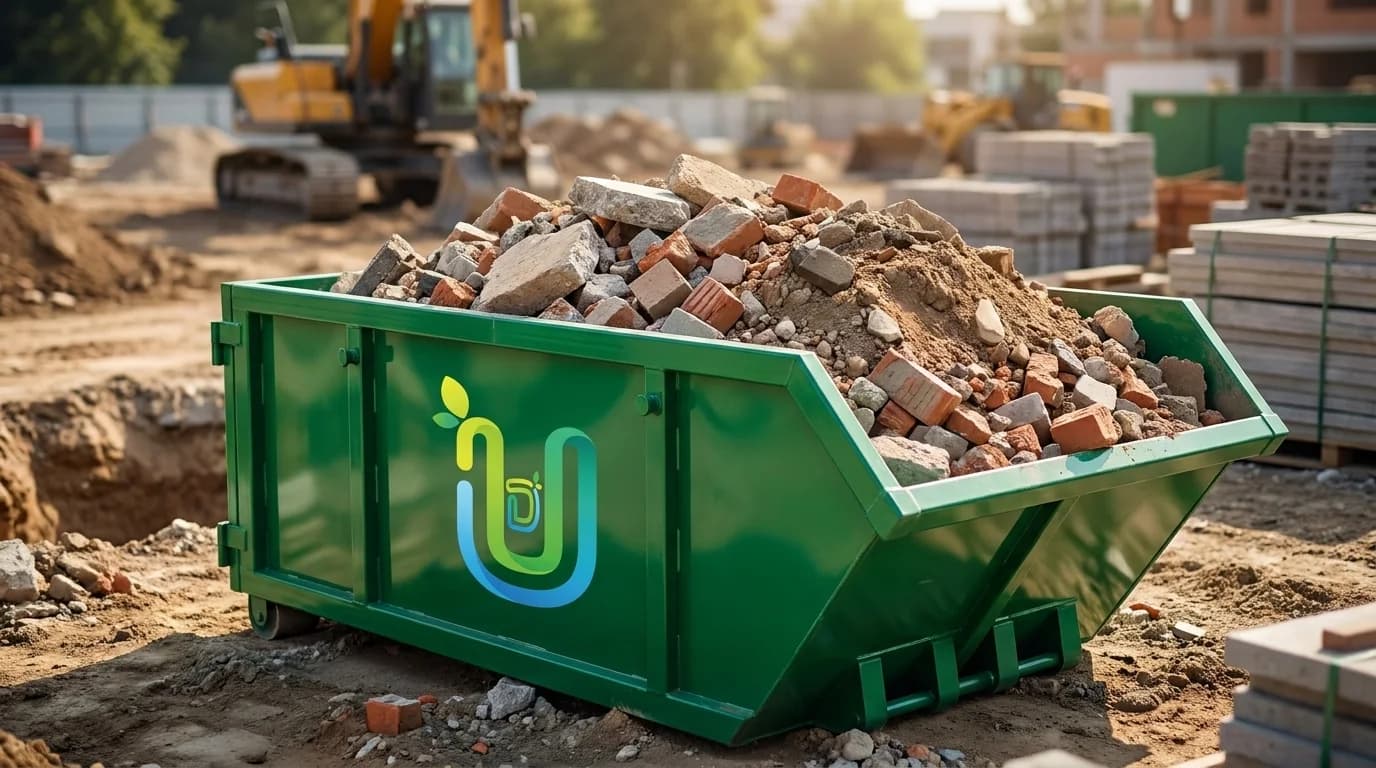
What is a dumpster weight limit?
A dumpster weight limit is the maximum amount of debris, measured in tons, that is included in your flat-rate rental price. Included weight scales with size, about 1 ton on a 10 or 12-yard up to 4 tons on a 40-yard container. Exceeding the included weight simply accrues a per-ton overage, disclosed upfront in your quote.
How Dumpster Weight Limits Work
When you rent a dumpster, your quote includes a weight allowance: the maximum amount of debris (measured in tons) that is covered by the flat rental rate. This allowance varies by dumpster size, provider, and the type of materials you plan to dispose of. Because allowance scales with size, our dumpster sizes guide helps you match capacity to weight, and the dumpster rental pricing guide shows how overage fees fit into your total cost.
Weight limits exist for two reasons. First, there are legal weight restrictions for trucks traveling on public roads. An overloaded dumpster cannot be safely or legally transported. Second, landfills charge disposal fees by weight, so a heavier load costs more to process.
When your dumpster is picked up, the truck stops at a certified scale to weigh the loaded container. The empty container weight (known as the tare weight) is subtracted to determine your net debris weight. If you are within your allowance, you pay nothing extra. If you exceed it, an overage fee is applied to each additional ton.
Typical Weight Allowances by Dumpster Size
| Size | Weight Allowance | Notes |
|---|---|---|
| 10-Yard | 1 ton (2,000 lbs) | Good for light household debris |
| 15-Yard | 1.5 tons (3,000 lbs) | Small cleanouts and single-room jobs |
| 20-Yard | 2 tons (4,000 lbs) | Standard for most residential projects |
| 30-Yard | 3 tons (6,000 lbs) | Handles renovation and mixed debris |
| 40-Yard | 4 tons (8,000 lbs) | Large-scale commercial projects |
Allowances may vary by provider and debris type. Heavy materials like concrete may have lower limits.
Included Weight Allowance by Size
Tonnage included with each roll-off size, in pounds.
How Much Debris Weighs per Cubic Yard
Approximate weight of common materials. Heavy debris hits the limit long before the box looks full.
How Much Does Your Debris Weigh?
Use this reference to estimate the weight of common materials.
How to Avoid Overage Fees
- Estimate your debris weight before ordering. Use the material reference table above and our weight estimator tool to get a ballpark figure.
- Choose the right size. A dumpster that looks half full can still be at or over the weight limit if loaded with heavy materials like concrete or soil.
- Separate heavy debris. If you have a mix of light household junk and heavy concrete, consider renting a separate dumpster for the heavy material with an appropriate weight allowance.
- Request additional weight upfront. If you know your project involves heavy materials, ask for a higher weight allowance when booking. Pre-purchasing extra tonnage is almost always cheaper than paying overage rates.
- Use our weight estimator. Our online tool helps you calculate the approximate weight of your project debris so you can choose the right allowance from the start.
People Also Ask
A full dumpster can weigh anywhere from 2,000 to 20,000+ pounds depending on the size and type of debris. A 10-yard dumpster filled with light household junk may weigh around 4,000 pounds, while a 20-yard dumpster loaded with concrete can exceed 12,000 pounds.
If your load exceeds the included weight allowance, the overage bills per additional ton, typically $150 to $195 across most markets. The weight is measured at a certified scale when the loaded dumpster reaches the facility.
Use the material weight per cubic yard as a guide. Household junk averages 200 to 400 pounds per cubic yard, drywall about 500 pounds, roofing shingles 750 to 1,000 pounds, and concrete 2,000 to 4,000 pounds per cubic yard. Multiply by your estimated volume to get a total.
Yes, but not in a standard box. Dirt, concrete, rock, and sand go in dedicated heavy-material dumpsters, usually 10 to 20 yards, priced on a flat rate instead of by the ton. Mixing regular garbage into a heavy-material box carries a mixing fee in some locations. Call us with the material and quantity and we quote the dedicated box flat.
No. Weight allowances scale with dumpster size. A 10-yard dumpster includes 1 ton, a 15-yard includes 1.5 tons, a 20-yard includes 2 tons, a 30-yard includes 3 tons, and a 40-yard includes 4 tons. Going over simply accrues a per-ton overage, disclosed before you book.
Which tools and prices help with this?
- Weight estimator: add up debris weight by material
- Shingle calculator: weight per square and tonnage
- Drywall weight calculator: sheet weights and the box you need
- Lumber weight calculator: boards, plywood and deck tear-outs
- Cubic yard calculator: measure your debris pile
- Dumpster prices: live all-in prices by size
- Order online: get your exact price by ZIP
- Dumpster sizes: 10 to 40 yards compared
How these numbers are set: included tons are Ultimate Dumpsters' standard allowances by size; material weights are planning ranges for loose debris, consistent with the U.S. EPA's volume-to-weight conversion factors. Real loads vary with moisture and packing.
Frequently Asked Questions
When the hauler picks up your dumpster, the loaded container is weighed at a certified scale, typically at the landfill or transfer station. You will receive a weight ticket showing the exact tonnage. If the weight exceeds your included allowance, the overage fee is calculated and added to your final invoice.
Overage fees run $150 to $195 per additional ton across most of the country, with dense metro areas running higher. The exact per-ton rate for your ZIP is disclosed with your quote before you book.
Yes. If you know your project will generate heavy debris, like concrete, soil, or roofing shingles, ask about upgrading to a higher weight allowance at the time of booking. Paying for additional weight upfront is usually cheaper than paying overage fees after the fact.
Different materials have vastly different densities. A cubic yard of loose household debris may weigh 200 to 300 pounds, while a cubic yard of concrete weighs about 4,000 pounds. Heavy materials fill the weight limit long before the dumpster looks full, which is why providers set specific limits for heavy debris.
Yes. Federal and state regulations set gross vehicle weight limits for trucks on public roads, typically around 80,000 pounds total. This limits how much a loaded dumpster can weigh. Overloaded containers are a safety hazard and cannot legally be transported. This is the primary reason weight limits exist.
Light and medium debris can mix freely in a standard box, and that is what our online pricing covers: construction debris, garbage, renovation and cleanout material, yard waste. Real heavy material (dirt, concrete, rock, sand) rides in its own dedicated box on a flat rate, and mixing regular garbage into a heavy-material box carries a mixing fee in some locations. If your project includes serious concrete or dirt, call us and we quote the dedicated box flat instead of by the ton.
Sources
- U.S. Department of Transportation (DOT) Federal gross vehicle weight rules that cap how much a loaded dumpster truck can legally carry.
- U.S. Environmental Protection Agency (EPA) Materials and waste data behind weight-based landfill disposal fees.
- U.S. EPA: Volume-to-weight conversion factors Reference weights per cubic yard for common waste materials.
- FHWA: Truck size and weight Federal limits that cap how much a loaded truck may weigh on the road.
Written by the Ultimate Dumpsters Team
Reviewed by Ultimate Dumpsters Operations
Last updated September 2026
Rent a dumpster by size
Know your weight allowance? Compare roll-off sizes and book online in minutes. Prices shown for our home market; enter your ZIP for local pricing.
10-Yard Dumpster Rental
Heavy debris, concrete, small cleanouts
15-Yard Dumpster Rental
Renovations and mid-size cleanouts
20-Yard Dumpster Rental
Home cleanouts and renovations
30-Yard Dumpster Rental
Large construction and remodels
40-Yard Dumpster Rental
Large-volume demolition debris
Dumpster rentals in Oceanside, NY
See local sizes, pricing, and availability
Related resources
Weight Estimator
Estimate the tonnage of your debris before you book to avoid overage fees.
Dumpster Sizes Guide
See how weight allowances scale across 10, 20, 30, and 40-yard containers.
Pricing Guide
How the weight allowance and per-ton overage factor into your final price.
Accepted Items
What belongs in a standard box versus a dedicated heavy-material dumpster.
Prohibited Items
Materials that cannot go in a dumpster at all, for safety and legal reasons.
Loading Tips
Distribute weight evenly and pack smart to stay within your allowance.
Get Your All-Inclusive Price Today
One call. One price. Zero surprises. Get a real quote in minutes from one of America's highest-rated dumpster & site-service companies.
- No obligation
- Same-day available
- No hidden fees
Get my instant price
Enter your ZIP. See availability & pricing in seconds.

Live agents standing by
Real people answer, no phone trees