
How to Load a Dumpster Properly
Smart loading can save you hundreds of dollars. Learn how to maximize your dumpster space, distribute weight safely, and avoid costly overfill charges.
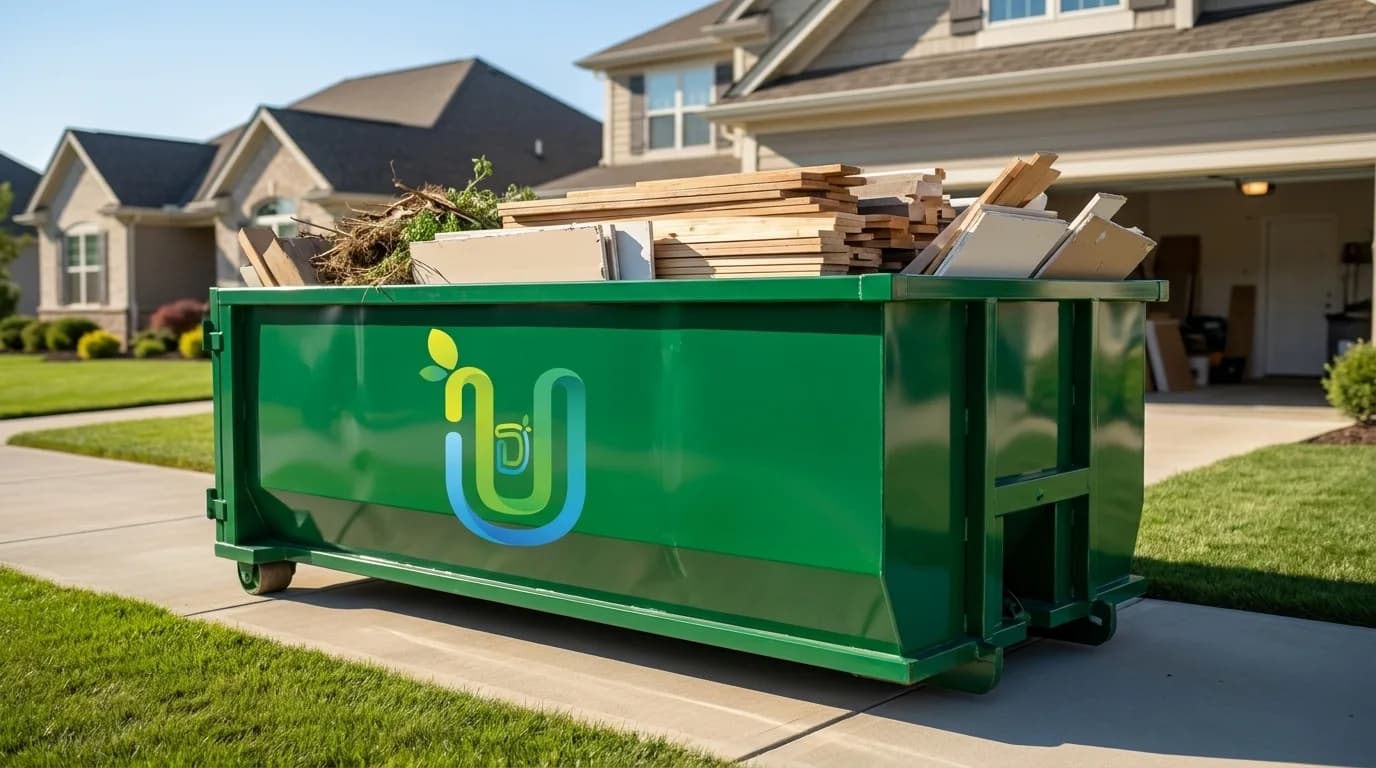
How do you load a dumpster?
Put heavy and flat items on the floor first, break down furniture and bulky pieces, then fill the gaps with smaller debris and bags. Spread the weight evenly front to back, keep everything level with the top rim, and keep hazardous items out. A well-loaded dumpster holds noticeably more and is more likely to stay under its weight allowance.
To load a dumpster properly, place flat and heavy items like plywood, drywall, and doors on the bottom to build a stable base, break down bulky furniture, then fill every gap with smaller debris and finish with lightweight materials on top. Keep all debris at or below the fill line and spread weight evenly across the floor. Ultimate Dumpsters recommends this layered approach because it can recover the 20 to 40 percent of space that random loading wastes, often saving you from renting a second container.
Why Proper Loading Matters
The way you load your dumpster directly impacts how much debris you can fit, whether you stay within weight limits, and whether the container can be safely transported. Randomly tossing items in creates air pockets that waste 20 to 40 percent of your available space, and that wasted space could mean needing a second dumpster at double the cost. If you are unsure which container fits your project, start with our dumpster sizes guide or estimate heavy loads with the weight estimator.
Beyond space efficiency, proper loading ensures safety. An unevenly loaded dumpster can shift during transport, and debris extending above the fill line can fall off the truck on the road. Taking a few extra minutes to load thoughtfully protects your budget, the hauling crew, and other drivers on the road.
4 Key Loading Principles
Layer Strategically
Think in layers: flat and heavy on the bottom, bulky items in the middle, small and lightweight on top. Each layer should be relatively level before adding the next.
Break Everything Down
Flatten cardboard, disassemble furniture, remove cabinet doors and shelves. An extra 10 minutes of breakdown work can save you hundreds of dollars on a second dumpster.
Mind the Weight
A dumpster can look half-empty and already be at the weight limit if loaded with concrete, soil, or shingles. Know your weight limit and estimate as you load heavy materials.
Fill Every Gap
Treat loading like a game of Tetris. After placing each large item, look for gaps and fill them with smaller debris. Bags of trash, loose wood scraps, and small items are perfect gap fillers.
Step-by-Step Loading Guide
Place flat, heavy items first
Create a stable base layer with plywood, drywall, doors, table tops, and other flat materials. This prevents shifting during transport and creates a solid foundation for stacking.
Break down bulky items
Disassemble furniture, shelving, and large boxes. Remove legs from tables, flatten cardboard, and break apart cabinets. Smaller, flatter pieces stack more efficiently and leave fewer air gaps.
Use the rear door for heavy items
Open the swing door at the back of the dumpster and walk heavy items in rather than lifting them over the sides. This is safer for your back and allows more precise placement.
Fill gaps as you go
After placing each large item, fill surrounding gaps with small debris, bags of trash, or loose materials. Think of it like a three-dimensional puzzle: every pocket of air is wasted space.
Distribute weight evenly
Spread heavy items across the entire floor of the dumpster rather than concentrating them on one side. Uneven weight distribution can make the container difficult to lift and transport safely.
Keep debris below the fill line
Never load materials above the top edge of the dumpster walls. Overfilled containers cannot be covered or transported safely and will require you to remove material before pickup.
Common Loading Mistakes to Avoid
- Throwing items in without a plan; this creates air pockets and wastes 20 to 40 percent of your space.
- Loading all heavy items on one side; uneven weight makes the container dangerous to transport.
- Not breaking down large items; a whole couch takes three times the space of a disassembled one.
- Overfilling above the fill line; the driver cannot pick up an overfilled container safely.
- Ignoring the weight limit; heavy materials like concrete fill the weight limit before the dumpster looks full.
- Putting prohibited items in first; they will need to be removed, disrupting your entire load.
How much does a cubic yard of debris weigh?
Weight decides the box as often as volume does. Planning weights for loose debris:
| Material | Lbs per cubic yard | Which box |
|---|---|---|
| Household junk and furniture | 150 - 250 | Standard dumpster |
| Green yard waste | 200 - 400 | Standard dumpster |
| Mixed construction debris | 300 - 500 | Standard dumpster |
| Roofing shingles (tear-off) | 400 - 600 | Construction dumpster, sized by tonnage |
| Dirt and soil | 1,500 - 2,000 | Dirt box, filled about halfway |
| Broken concrete and brick | 2,000 - 2,400 | Concrete box |
How we know: Loading guidance reflects how roll-off containers are safely hauled. Weights are the planning ranges from our disposal guides, consistent with the U.S. EPA volume-to-weight conversion factors; real loads vary with moisture and packing.
Sources: U.S. EPA, volume-to-weight conversion factors; U.S. EPA, sustainable management of C&D materials.
Straight Talk From Our Team
“If you aren't ready for pickup, please don't call for pickup. Nothing worse than the driver spending 2 hours to get somewhere just to get turned around.
If you aren't ready for delivery, just call us and change the date.”

Michael V.
Head of Operations, Ultimate Dumpsters. On calling for pickup
Frequently Asked Questions
The fill line is the top edge of the dumpster walls. All debris must remain at or below this line. Loads that extend above the fill line are considered overfilled and cannot be safely transported. Drivers will ask you to remove excess material before pickup, or the provider may charge an overfill fee.
Yes, and it is actually recommended for efficient loading. Use the rear swing door to walk heavy items into the container rather than trying to lift them over the sides. Wear sturdy boots with non-slip soles, gloves, and safety glasses. Be careful of sharp edges, nails, and unstable surfaces inside the container.
Absolutely. Disassembling large items like tables, bed frames, shelving units, and desks can save 30 to 50 percent of the space they would otherwise occupy. Remove legs, shelves, and drawers. Stack flat components against the sides of the dumpster and fill gaps with smaller items.
Poor loading techniques can waste 20 to 40 percent of your available space. Tossing items in randomly creates air pockets and unstable stacking. Taking a few extra minutes to flatten, break down, and organize your debris can be the difference between one dumpster and needing to order a second.
If the dumpster exceeds the weight limit, you will be charged an overage fee based on the extra weight, typically $150 to $195 per additional ton depending on your market, with the exact rate disclosed in your quote. If the dumpster is overfilled above the fill line, the driver will need you to remove material before they can safely haul it away. Prevention is always cheaper than the cure.
Yes. Start with flat, heavy items on the bottom: plywood, drywall, doors, and furniture panels create a stable base. Next, add bulky three-dimensional items like furniture frames and appliances. Fill remaining gaps with small items, bags, and loose debris. Finish with lightweight materials on top.
Written by the Ultimate Dumpsters Team
Reviewed by Ultimate Dumpsters Operations
Last updated September 2026
Rent a dumpster by size
Loading smart starts with the right size. Compare roll-off sizes and book online in minutes.
10-Yard Dumpster Rental
Heavy debris, concrete, small cleanouts
15-Yard Dumpster Rental
Renovations and mid-size cleanouts
20-Yard Dumpster Rental
Home cleanouts and renovations
30-Yard Dumpster Rental
Large construction and remodels
40-Yard Dumpster Rental
Large-volume demolition debris
Dumpster rentals in Oceanside, NY
See local sizes, pricing, and availability
Related resources
Dumpster Sizes Guide
Match your debris volume to the right roll-off size.
Weight Limits Explained
How weight allowances and overage fees work.
Accepted Items
What you can and cannot put in a dumpster.
Prohibited Items
Materials that are never allowed in a container.
Preparation Guide
Get your driveway ready before delivery day.
Pickup Guide
Prepare the area so pickup goes smoothly.
Get Your All-Inclusive Price Today
One call. One price. Zero surprises. Get a real quote in minutes from one of America's highest-rated dumpster & site-service companies.
- No obligation
- Same-day available
- No hidden fees
Get my instant price
Enter your ZIP. See availability & pricing in seconds.

Live agents standing by
Real people answer, no phone trees