Why Dumpster Size Matters More Than You Think
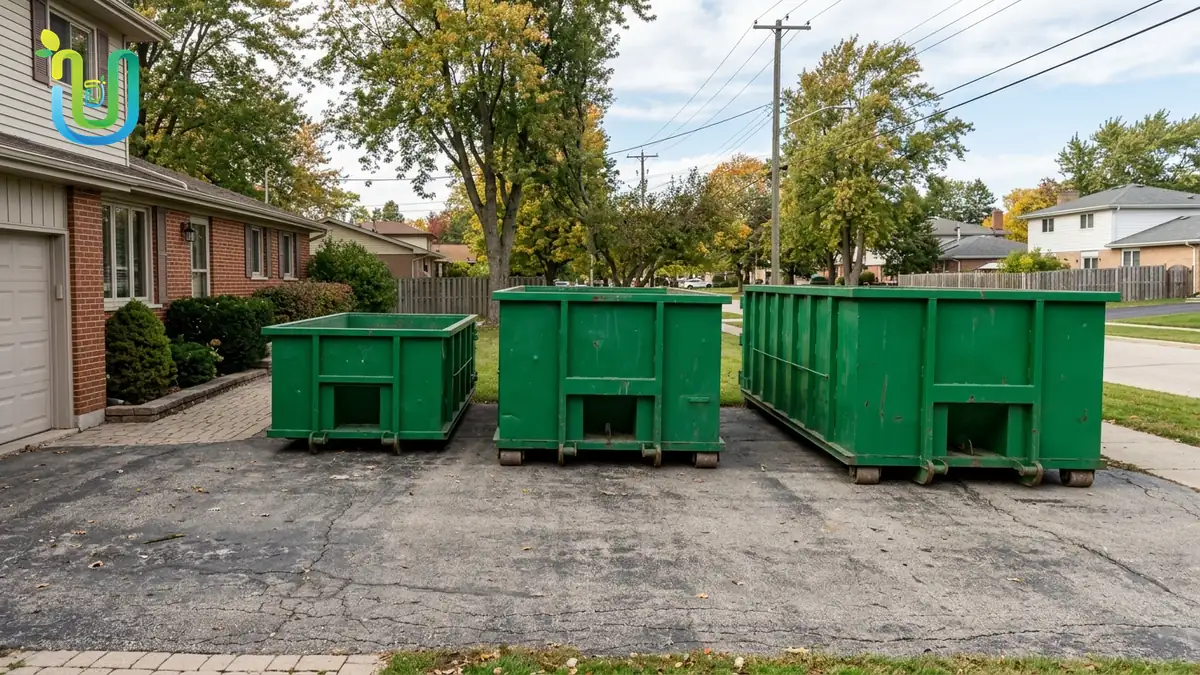
Renting a dumpster sounds simple until you realize there are five or six different sizes to choose from and no obvious way to know which one fits your project. Pick one that is too small and you will either need to pay for a second haul or leave debris sitting on your property while you wait for the next pickup. Pick one that is too big and you are paying a premium for empty space you never needed.
The cost difference between getting it right and getting it wrong can be significant. An extra haul on a 10-yard dumpster typically costs $150 to $300, which often exceeds the price difference between the 10-yard and the next size up. On the other side, jumping from a 20-yard to a 40-yard when you only needed the 20 can add $200 or more to your bill for capacity that sits empty.
This guide covers every standard dumpster size, the projects each one is designed for, how to estimate your waste volume before you order, and the most common sizing mistakes people make. Consider this your definitive resource for getting the size right on the first try.
Understanding How Dumpster Sizes Work
Dumpsters are measured in cubic yards, which describes the interior volume of the container. A cubic yard is a space that measures 3 feet long, 3 feet wide, and 3 feet tall, roughly the size of a standard kitchen appliance like a dishwasher. When we say a dumpster is a "20-yard" container, that means it holds 20 cubic yards of material, or about 20 dishwasher-sized blocks of space.
The physical dimensions of dumpsters vary by manufacturer, but the volume rating is standardized. A 20-yard dumpster from one company holds the same amount of material as a 20-yard dumpster from another company, even if the external dimensions differ slightly.
It is also important to understand that cubic yard capacity and weight capacity are two different things. Every dumpster has a weight limit, typically measured in tons, that determines how much the contents can weigh regardless of how much space is left in the container. Heavy materials like concrete, dirt, and roofing shingles can hit the weight limit long before the dumpster looks full. Lighter materials like household furniture and general construction debris will fill the volume before they approach the weight limit.
10-Yard Dumpster: The Small Project Workhorse
A 10-yard dumpster is the smallest roll-off container available from most rental companies. It typically measures about 12 feet long, 8 feet wide, and 3.5 feet tall. It holds roughly the equivalent of 3 to 4 pickup truck loads of debris.
Best for:
- Single-room cleanouts (bedroom, home office, small living room)
- Garage or attic cleanouts with moderate clutter
- Small bathroom remodels (removing a vanity, toilet, tub surround, and flooring)
- Small deck removal (up to about 200 square feet)
- Minor landscaping projects (shrub removal, small tree trimming)
- 250 square feet or less of flooring removal
A 10-yard dumpster is the right call when you know your project is small and contained. The advantage is that it takes up less driveway space (usually about the footprint of a parking space) and it costs less than larger sizes. The disadvantage is that it fills up faster than people expect. If there is any chance your project could generate more waste than a small room's worth, step up to a 15 or 20-yard.
15-Yard Dumpster: The Sweet Spot for Medium Projects
The 15-yard dumpster is often the most versatile size for residential projects. It is roughly 16 feet long, 8 feet wide, and 4 feet tall, holding the equivalent of about 5 to 6 pickup truck loads.
Best for:
- Medium-sized room renovations (kitchen cabinets, flooring, and drywall)
- Whole-garage cleanouts with years of accumulated stuff
- Roofing jobs on homes up to about 1,500 square feet
- Small estate cleanouts (1-2 bedroom homes)
- Moderate landscaping projects (fence removal, large shrub clearing)
- 500 square feet or less of flooring removal with underlayment
The 15-yard hits a sweet spot between capacity and cost. It costs only slightly more than a 10-yard but gives you roughly 50 percent more space. For homeowners tackling a single major room renovation or a serious decluttering effort, it is usually the best value.
20-Yard Dumpster: The Most Popular Residential Size
The 20-yard dumpster is the most frequently rented size across the dumpster rental industry. Measuring about 22 feet long, 8 feet wide, and 4.5 feet tall, it holds roughly 7 to 8 pickup truck loads of material.
Best for:
- Large single-room renovations (full kitchen gut, master bathroom overhaul)
- Multi-room cleanouts and whole-house decluttering
- Carpet and flooring removal from an entire home
- Roof tear-offs on homes up to 2,500 square feet
- Large deck or shed removal
- Moving cleanouts where you are disposing of significant furniture and belongings
The 20-yard is popular because it handles the majority of residential projects without being so large that it dominates your driveway. If you are renovating more than one room, cleaning out an entire house, or tackling a major project that will generate a steady stream of debris over several days, the 20-yard is almost always the right call.
30-Yard Dumpster: For Major Projects
The 30-yard container is where you cross from residential territory into the range used by contractors and large-scale projects. It is approximately 22 feet long, 8 feet wide, and 6 feet tall, holding the equivalent of 9 to 12 pickup truck loads.
Best for:
- Whole-house renovations involving multiple rooms
- Large estate cleanouts (3+ bedroom homes with full furnishings)
- New home construction debris
- Commercial office buildouts and tenant improvements
- Large roof tear-offs on homes over 2,500 square feet
- Significant demolition projects (removing walls, multiple bathrooms, etc.)
The 30-yard dumpster is the go-to for contractors working on residential remodels and small commercial jobs. If you are a homeowner, you will typically only need a 30-yard if you are doing a comprehensive renovation that touches most of the house, or if you are cleaning out a large estate with decades of accumulated belongings.
40-Yard Dumpster: Maximum Capacity
The 40-yard dumpster is the largest standard roll-off container. It measures about 22 feet long, 8 feet wide, and 8 feet tall. It holds roughly 13 to 16 pickup truck loads of debris.
Best for:
- Complete home demolitions
- Large commercial construction and demolition projects
- Major commercial cleanouts (warehouses, retail spaces, office buildings)
- Large-scale storm damage cleanup
- Industrial projects with high-volume waste streams
Most homeowners will never need a 40-yard dumpster. This size is designed for contractors, property managers, and commercial projects that generate enormous volumes of debris. The container itself is large (it will take up most of a standard residential driveway) and it requires a delivery truck with enough clearance to drop it.
How to Estimate Your Waste Volume
Estimating waste volume does not need to be complicated. Here are three practical methods.
Method 1: The Room Count. For cleanouts and decluttering, assume each fully furnished room will generate about 3 to 5 cubic yards of waste. A three-bedroom house with a garage full of stuff will generate roughly 15 to 25 cubic yards, pointing you toward a 20-yard or 30-yard dumpster.
Method 2: The Pickup Truck Comparison. If you have ever loaded a standard full-size pickup truck bed, you know what about 2 to 3 cubic yards of debris looks like. Estimate how many truck loads your project would generate, then match that to the dumpster size chart.
Method 3: Measure and Calculate. For renovation debris, measure the area being demolished. A standard interior wall that is 10 feet long and 8 feet tall generates about 1 cubic yard of drywall debris. A 10x12 room with drywall on all four walls plus ceiling generates about 5 to 6 cubic yards of drywall alone, before accounting for flooring, trim, insulation, and framing.
Weight Limits: The Hidden Factor
Every dumpster has a weight allowance included in the rental price, and exceeding that allowance triggers overage charges. Standard weight limits vary, but here are typical ranges:
- 10-yard: about 1 ton included
- 15-yard: about 1.5 tons included
- 20-yard: about 2 tons included
- 30-yard: about 3 tons included
- 40-yard: about 4 tons included
For most household debris (furniture, drywall, wood, general clutter), you will hit the volume limit long before the weight limit. But heavy materials change the equation dramatically. Solid concrete weighs roughly 4,000 pounds per cubic yard (broken concrete loads at about 2,000-2,400 lbs per cubic yard). Roofing shingles weigh about 250 pounds per square (100 square feet). Dirt weighs approximately 2,200 pounds per cubic yard. If your project involves these materials, weight will be the limiting factor, not space.
The Golden Rule: When in Doubt, Size Up
If you are genuinely uncertain about which size to choose, go one size larger than your best estimate. The cost difference between adjacent sizes is usually $30 to $75, far less than the $150 to $300 you would pay for a second haul if your dumpster fills up before the project is done.
At Ultimate Dumpsters, we help customers choose the right size every day. Our team will ask about your project, estimate the waste volume, and recommend the best fit. If you are still not sure after reading this guide, give us a call. We would rather help you get it right the first time than charge you for a second trip.