Call Now:(866) 858-3867Live agents standing by
ALL THE DEBRIS THAT'S FIT TO DUMP
The scariest line in a dumpster rental is the one nobody explains: the overage. Here is the plain math on what an extra ton really costs, why the rate changes by ZIP, and how to know your weight before the truck ever shows up so there is no surprise on the invoice.
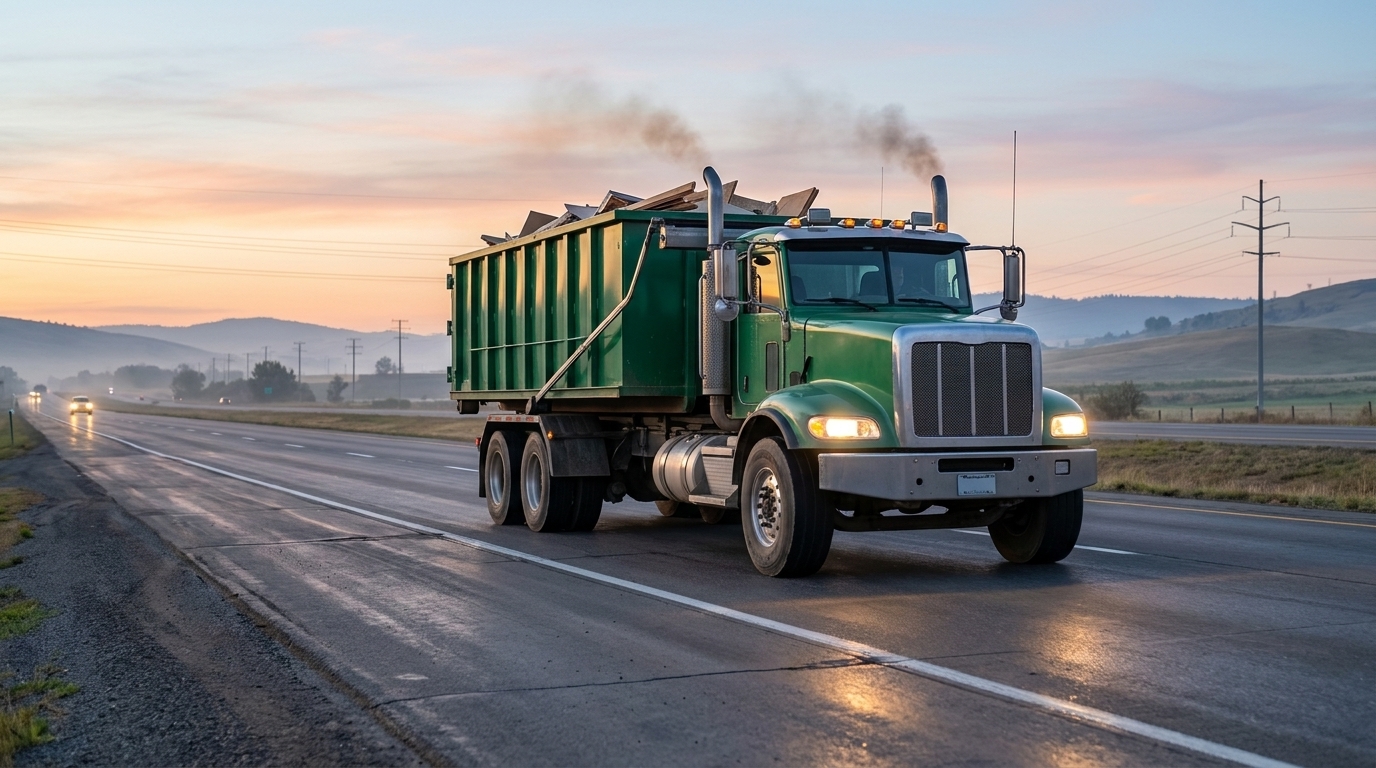
Every dumpster rental includes a weight allowance, and every size has its own. A 10 yard includes about 1 ton, a 15 yard 1.5 tons, a 20 yard 2 tons, a 30 yard 3 tons, and a 40 yard 4 tons. That included weight is not a hard cap that stops you from loading. It is the amount of disposal built into your flat price. Go past it and the extra gets billed after pickup, once the loaded container is weighed at the landfill and the scale ticket comes back. Nothing is guessed. The overage is real weight, measured, and prorated to the pound.
Here is the number people actually want. Overage runs roughly 150 to 185 dollars per ton in most markets, with the median landing around 165 dollars a ton. In dense metros like New York City it runs higher, closer to 200 to 250 a ton, because everything downstream costs more there. That per-ton rate is not a markup we invented. It traces straight to what the local landfill charges to take the weight, so when you see a different overage rate two towns over, that is the transfer station's tipping fee talking, not us.
The rate moves by ZIP for three honest reasons. First, disposal and tipping fees: what the local landfill charges per ton swings widely by region, and that is the single biggest input. Second, haul distance and diesel: how far the yard is from your job and from the drop site, multiplied by fuel that has climbed hard. A haul that used to cost about 395 dollars to run now goes out closer to 550, and one that used to run 550 is more like the 780 you see on a 20 yard today. Diesel alone is up roughly 60 to 70 percent. Third, local demand and vendor density: busy areas with fewer compliant, licensed haulers simply cost more to service.
The good news is that overage is completely avoidable, because weight is predictable before you load a single thing. Heavy material is the whole game. Concrete, brick, dirt, and gravel are so dense they hit a weight limit long before the box looks full, which is why they ride in a dedicated clean load on a 10, 15, or 20 yard rather than getting mixed into a big container. A cubic yard of dirt runs a ton or more on its own. Roofing shingles stack up fast too. General household and remodel debris is much lighter, which is why a whole-house cleanout fits a 20 yard without trouble but a half-full box of concrete can blow past its allowance. Knowing which pile you have is the difference between one flat price and a second line on the invoice.
So before you order, do the two-minute version of what the scale house does. Use our weight estimator: tell it your material and rough volume, and it gives you a real weight so you can size up front or add tonnage to your order instead of eating an overage after. If you are tossing anything heavy, say so when you book and we will set you up with the right amount of included weight from the start. One flat number, no scale-ticket surprise. The set-rate haulers with the cheap headline price are usually the ones who get you at the scale. We would rather tell you the real math now.
Included weight allowance by container size. Bar length is a visual scale of included tonnage, not a percentage. Anything over your allowance is billed after pickup at roughly 150 to 185 dollars per ton in most markets, median around 165, weighed at the landfill and prorated. Heavy material like concrete or dirt hits these limits fast and rides in a dedicated clean load.
“The overage is the part everyone is scared of, and it is honestly the most straightforward number I quote. It is real weight on a real scale, billed by the ton, nothing hidden. What I tell every caller with a heavy load is: let me size it right now, or add the tonnage now, and there is no scale surprise later. The only people who get burned are the ones who took a cheap flat rate from a hauler who never mentioned weight at all.”
Judi K., Site Services Specialist
Weight is the one thing people underestimate every time. A box that looks half empty can be over its limit if it is full of concrete or wet dirt, because a single cubic yard of that runs a ton. I would rather put you in a dedicated clean load for the heavy stuff and a separate box for the light debris than watch you blow past an allowance. Tell me the material, not just the size, and I will get the weight right the first time.
When a customer asks why the per-ton rate is higher in their area, the honest answer is the landfill. Tipping fees are set locally and they move the whole number. Add the diesel it takes to run the haul, and you can see exactly why the same size costs more in one ZIP than another. It is not arbitrary and it is not markup. It is what it actually costs to move and dump the weight.
Going over your included weight is billed after pickup at roughly 150 to 185 dollars per ton in most markets, with the median around 165 dollars a ton. In dense metros like New York City it runs higher, closer to 200 to 250 a ton. It is not a penalty or a hidden fee: the loaded container is weighed at the landfill, and anything over your allowance is charged at the local per-ton rate and prorated to the pound. Every size includes a set allowance, a 10 yard about 1 ton, a 20 yard 2 tons, a 30 yard 3 tons, and so on. The rate varies by ZIP mainly because of local landfill tipping fees, plus haul distance and diesel. The easiest way to avoid an overage is to check your load with a weight estimator before you order, or tell us your material when you book so we can include the right tonnage from the start.
Check your load with the weight estimator →Placed by the desks of Ultimate Dumpsters. Every listing is real.
BEFORE YOU ORDER. Tell the weight estimator your material and volume, get a real weight in about two minutes.
Estimate my weight →HEAVY LOAD. Concrete, dirt, and brick ride in a dedicated clean load on a 10, 15, or 20 yard, priced right.
See heavy-load sizes →BOOK ONLINE. Add the tonnage you need up front and lock one flat price with no scale surprise.
Get a price →AN ADVERTISEMENT FROM THE PUBLISHER
The Box Arrives Before The Coffee Is Done
(866) 858-3867or skip the call entirely
Order online in about 2 minutesExact local pricing, tonnage and rental days included, e-sign and pay from your phone.
Included weight allowances are the real per-size figures from our size catalog (10 yard 1 ton, 15 yard 1.5 tons, 20 yard 2 tons, 30 yard 3 tons, 40 yard 4 tons). Overage range, per-ton drivers, and diesel-inflation figures are real operational data, with NYC noted as running higher than the general market range. No estimates presented as facts. Published weekday mornings by Ultimate Dumpsters. Vol. I · No. 14.