Smart Spending Starts Before You Book
Most people treat a dumpster rental as a fixed cost: you need one, you rent one, you pay whatever the price is. But like most services, the price you pay for a dumpster rental is influenced by decisions you make before, during, and after the rental period. A few smart choices can easily save you $100 to $300 on a single rental, and those savings add up if you are managing multiple projects or running a business that rents dumpsters regularly.
Here are the most effective ways to keep your dumpster rental costs as low as possible without cutting corners on service quality.
Choose the Right Size (Not the Cheapest Size)
The most expensive mistake in dumpster rental is choosing a container that is too small. When your dumpster fills up before your project is done, you have two options: pay for a second haul or pay for a swap. Either way, the additional cost is almost always more than the price difference between the size you rented and the next size up.
A 10-yard dumpster might cost $375 and a 20-yard might cost $475. But if the 10-yard fills up and you need a second haul at $250, your total cost is $625, $150 more than if you had rented the 20-yard in the first place. Size up when in doubt. The incremental cost of extra capacity is always less than the cost of a second trip.
Time Your Rental Strategically
Dumpster rental pricing follows seasonal demand. Spring and summer are peak season (more people are renovating, building, and cleaning out), which means higher prices and tighter availability. If your project is flexible, scheduling it during fall or winter can save 10 to 20 percent.
Within the week, delivery availability also varies. Mondays and Fridays tend to be the busiest delivery days. If you can accept a mid-week delivery, you may have better luck negotiating a favorable rate.
Get Multiple Quotes
This sounds obvious, but a surprising number of people book the first dumpster rental company that comes up in a search. Prices for the same size dumpster in the same market can vary by 30 percent or more between providers. Spend 15 minutes getting three to four quotes. Make sure each quote covers the same rental period, weight allowance, and debris type so you are comparing apples to apples.
Look beyond the headline price. Some companies advertise a low base price but add fees for delivery, pickup, fuel, and environmental charges. Others include everything in a single flat rate. Compare total costs, not just base prices.
Avoid Overage Charges
Weight overages are the most common surprise on a dumpster rental invoice. Every dumpster comes with a weight allowance, about 2 tons included on a 20-yard container. If your load weighs more than the allowance, you will be charged per ton for the excess.
To avoid overages, be honest about your debris type when requesting a quote. Heavy materials like concrete, brick, dirt, and roofing shingles weigh far more than general household debris. If your project involves heavy materials, tell the hauler so they can set the right weight allowance from the start or recommend a heavy-debris dumpster.
Keep Prohibited Items Out
When a hauler finds prohibited items in your dumpster (hazardous materials, electronics, tires, batteries, or appliances with Freon), they will charge a contamination fee. These fees range from $50 to $500 depending on the item and how much additional handling it requires. Set prohibited items aside before you start loading and arrange separate disposal for them.
Maximize Your Space
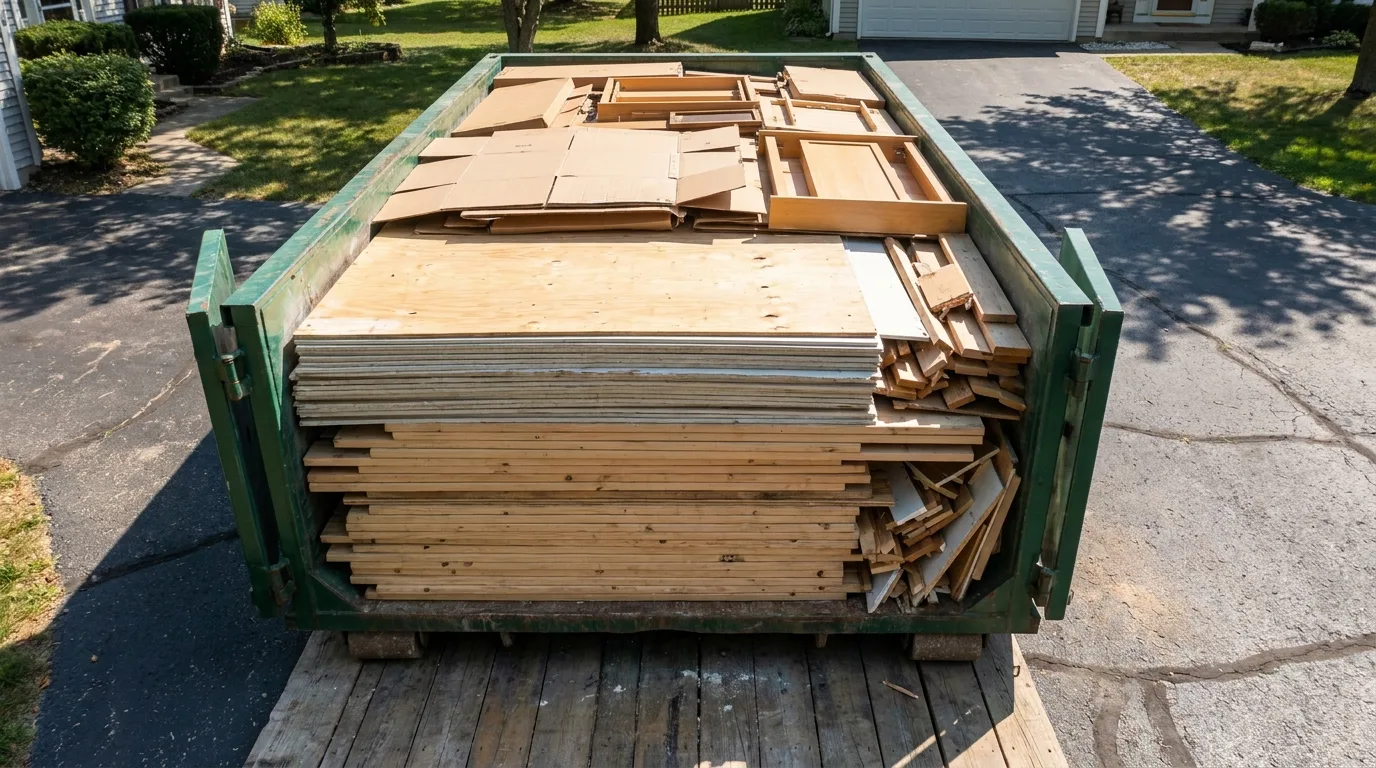
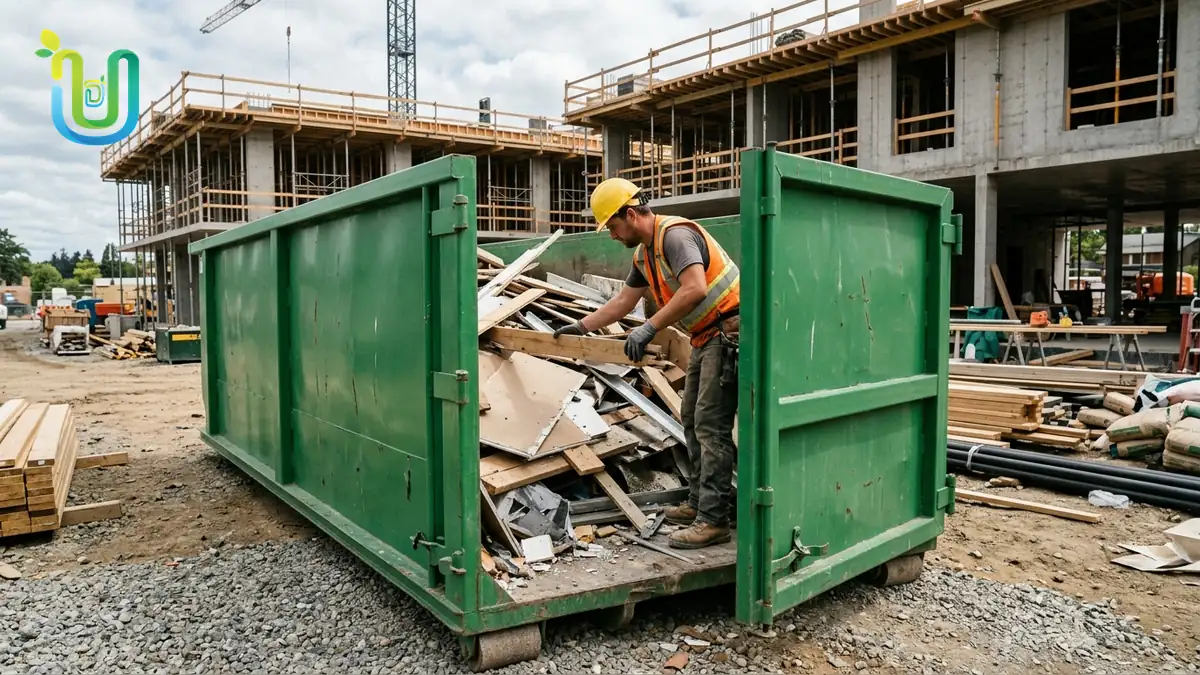
Load your dumpster efficiently. Break down large items: disassemble furniture, flatten cardboard, cut long boards in half. Place flat items on the bottom and fill gaps with smaller debris. A well-loaded dumpster holds 20 to 30 percent more than a randomly filled one, which can mean the difference between fitting everything in one rental and needing a second.
Do not let the debris extend above the top rim of the container. Overloaded dumpsters cannot be legally transported and will require you to remove items before the truck can haul it away, wasting time and potentially incurring a fee for the extra trip.
Separate Recyclable Materials
Mixed waste goes to a landfill and costs the most to dispose of. Clean loads of recyclable materials (metal, concrete, wood, cardboard) can often be processed at recycling facilities that charge less than landfill tipping fees. If you can separate your waste into recyclable and non-recyclable streams, you may be able to negotiate a lower rate for the recyclable load.
This strategy works especially well for construction and demolition projects that generate large volumes of a single material. A dumpster full of clean concrete, for example, costs significantly less to dispose of than one full of mixed C&D debris.
Ask About Available Discounts
Many dumpster rental companies offer discounts that they do not always advertise. Common discount programs include volume pricing for contractors who rent multiple dumpsters per month, repeat customer loyalty pricing, senior and military discounts, and nonprofit organization rates. It never hurts to ask.
At Ultimate Dumpsters, our pricing is designed to be transparent and competitive from the start. We include delivery, pickup, a standard rental period, and disposal in every quote: no hidden fees, no surprise add-ons. And if you are a contractor or frequent renter, ask about our Pro Program for additional savings.