Two Very Different Containers
If you have ever searched for a dumpster rental, you have probably seen two distinct types of containers: roll-off dumpsters and front-load dumpsters. They look different, work differently, and serve completely different purposes. Choosing the wrong type for your situation can lead to wasted money, logistical headaches, and disposal problems.
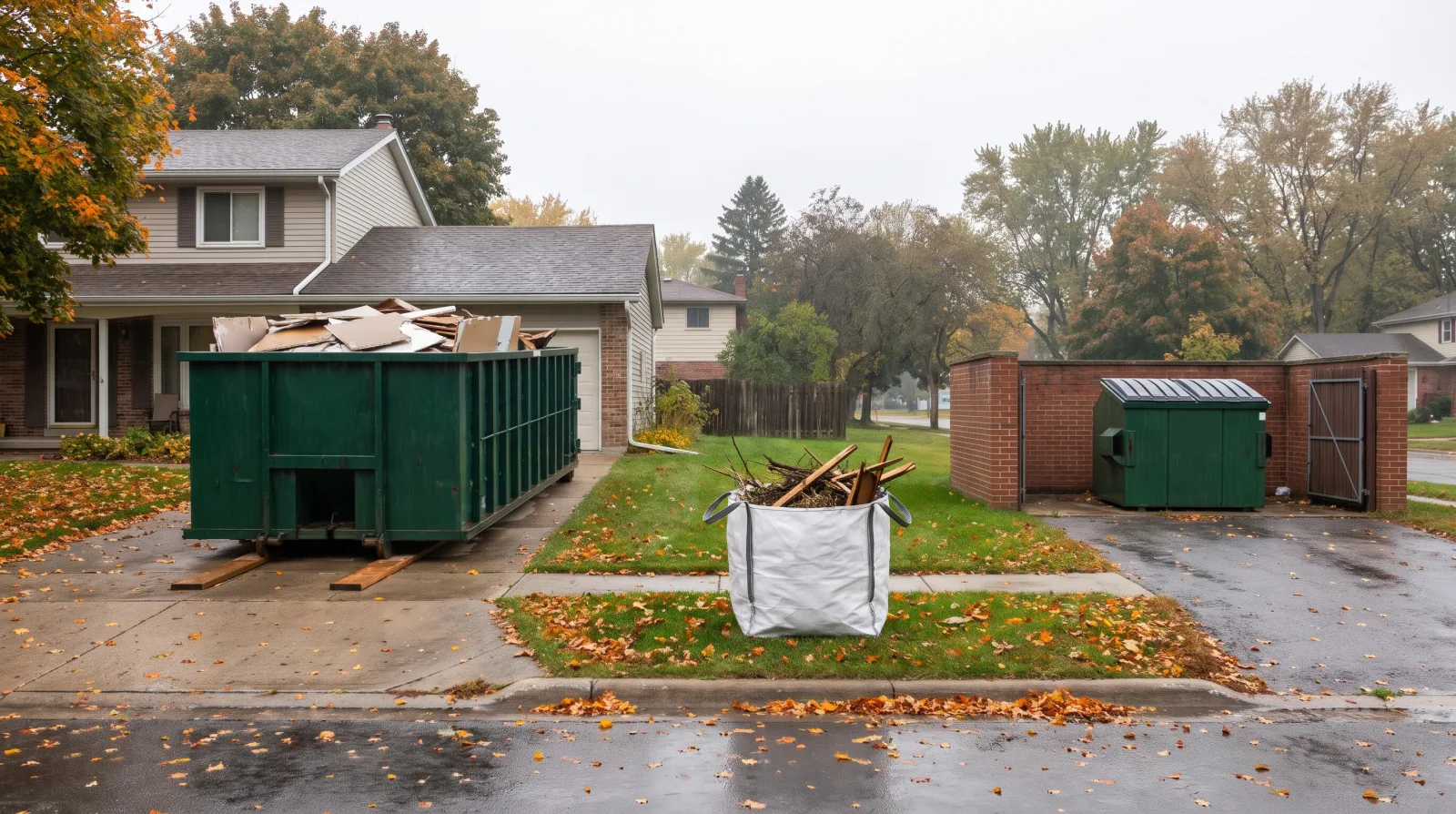
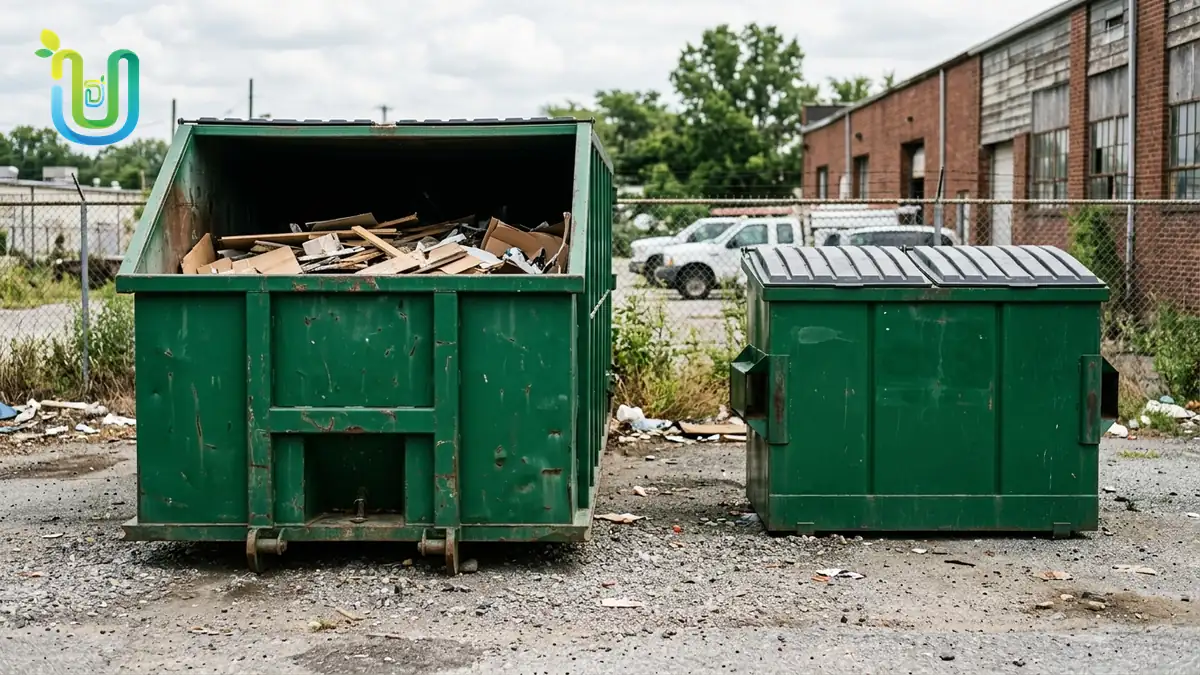
Roll-off dumpsters are the large, open-top containers you see at construction sites and in driveways during home renovations. Front-load dumpsters are the smaller, lidded containers you see behind restaurants, apartment complexes, and commercial buildings. Understanding the differences between them is the first step toward making the right choice.
What Is a Roll-Off Dumpster?
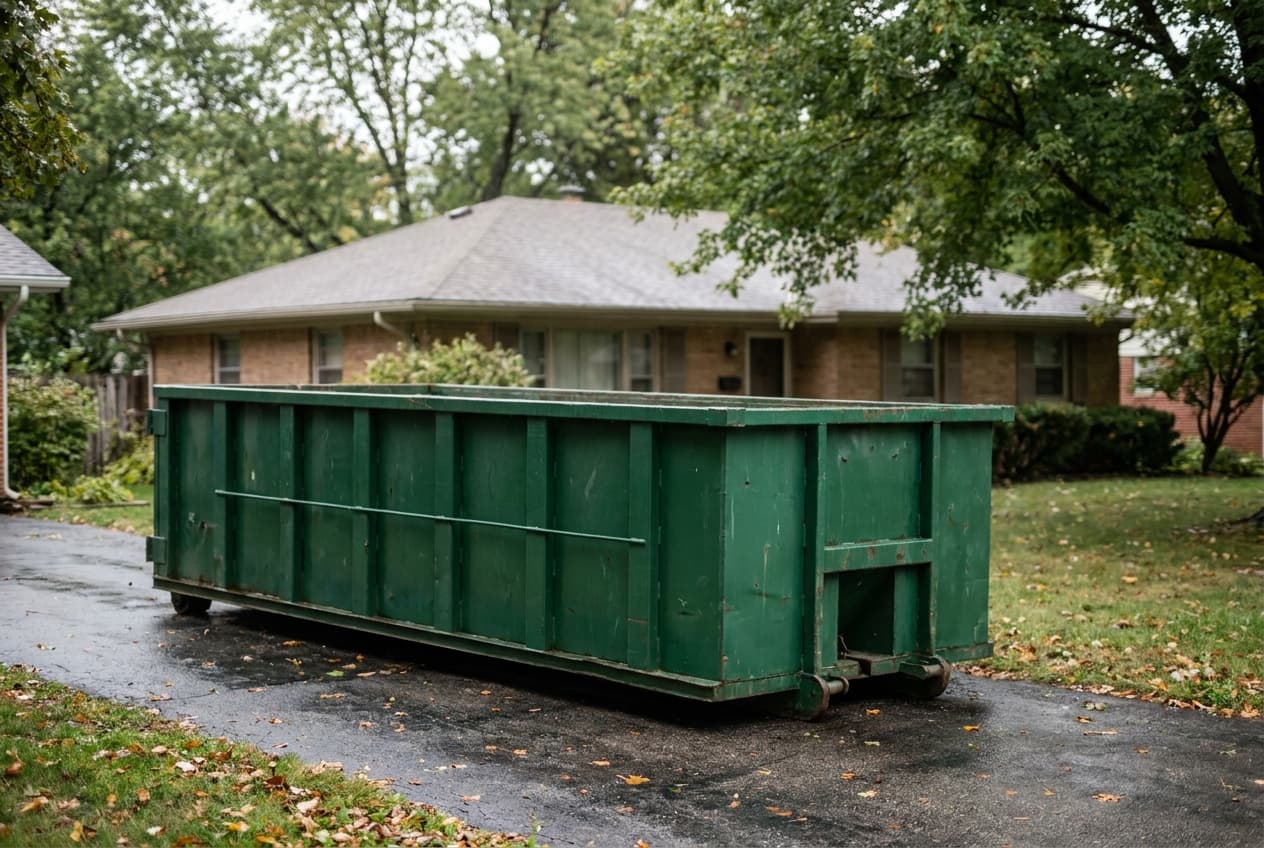
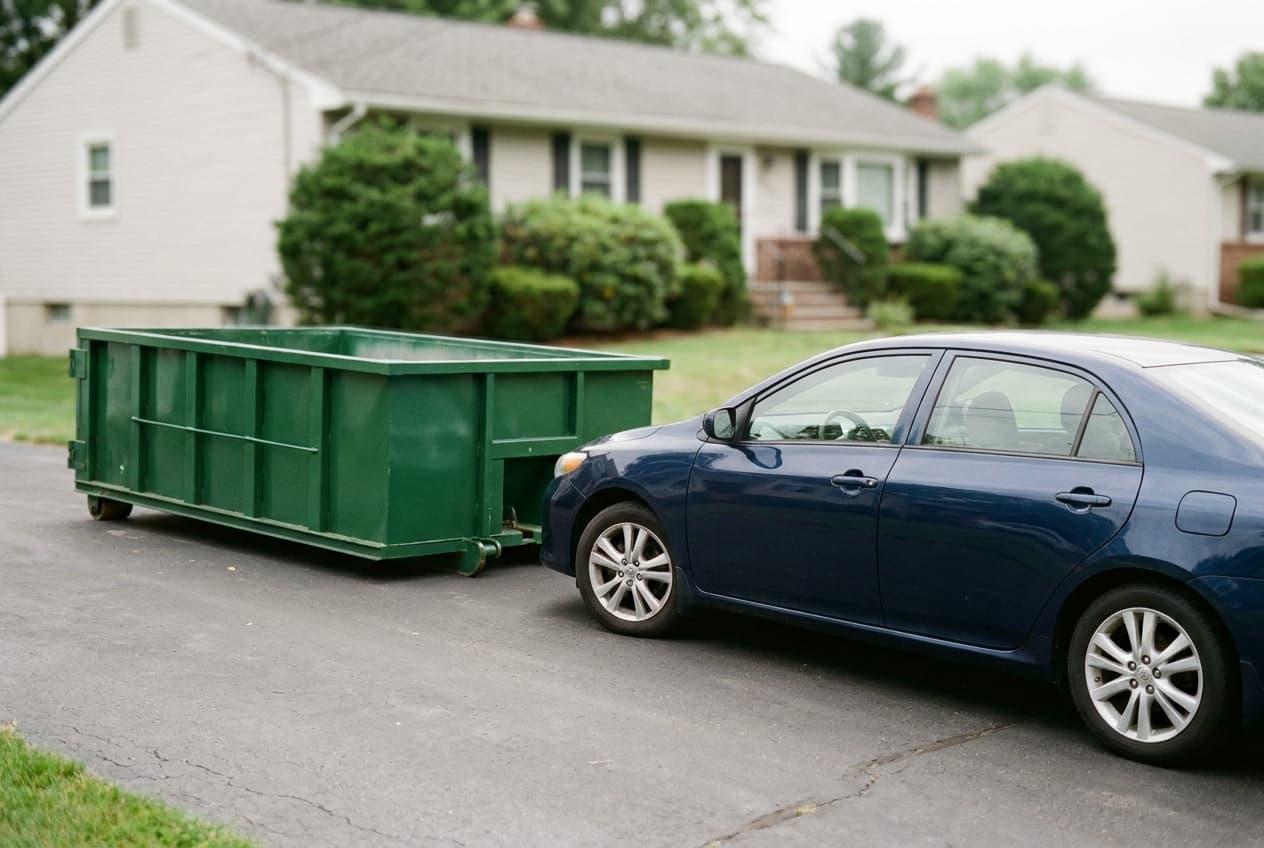
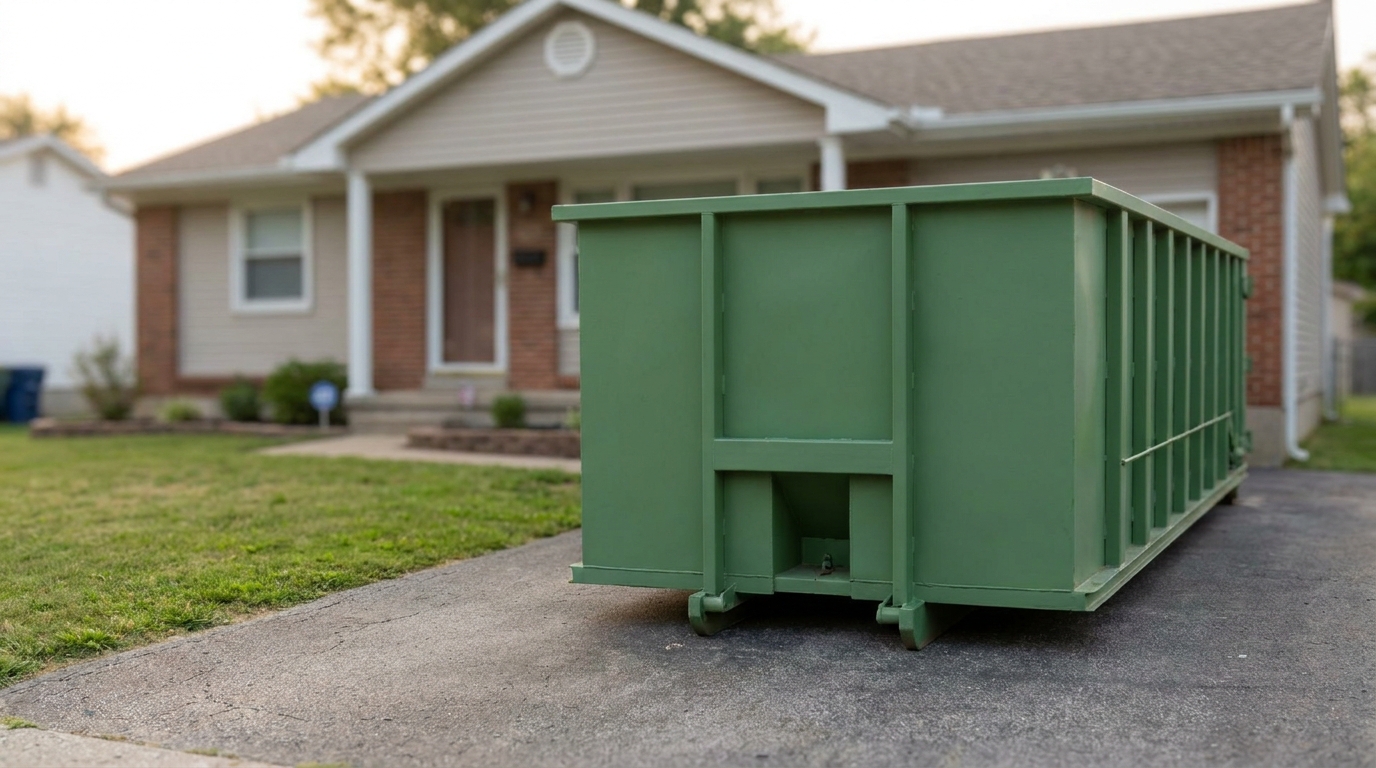
A roll-off dumpster is a large, rectangular container with an open top and a swinging rear door. It gets its name from the way it is delivered: a specialized truck rolls the container off its flatbed directly onto your driveway, job site, or parking area. When you are done filling it, the truck returns, hooks onto the container, and rolls it back onto the flatbed for transport to the disposal facility.
Roll-off dumpsters are available in sizes ranging from 10 cubic yards to 40 cubic yards. They are designed for temporary use, typically rented for a specific project lasting anywhere from a few days to several weeks. The open top makes it easy to toss in large, bulky, and irregularly shaped items like furniture, construction debris, and demolition materials.
Common uses for roll-off dumpsters:
- Home renovation and remodeling projects
- Roofing tear-offs
- Whole-house or estate cleanouts
- Construction and demolition job sites
- Storm damage cleanup
- Landscaping projects
- Moving and downsizing
What Is a Front-Load Dumpster?
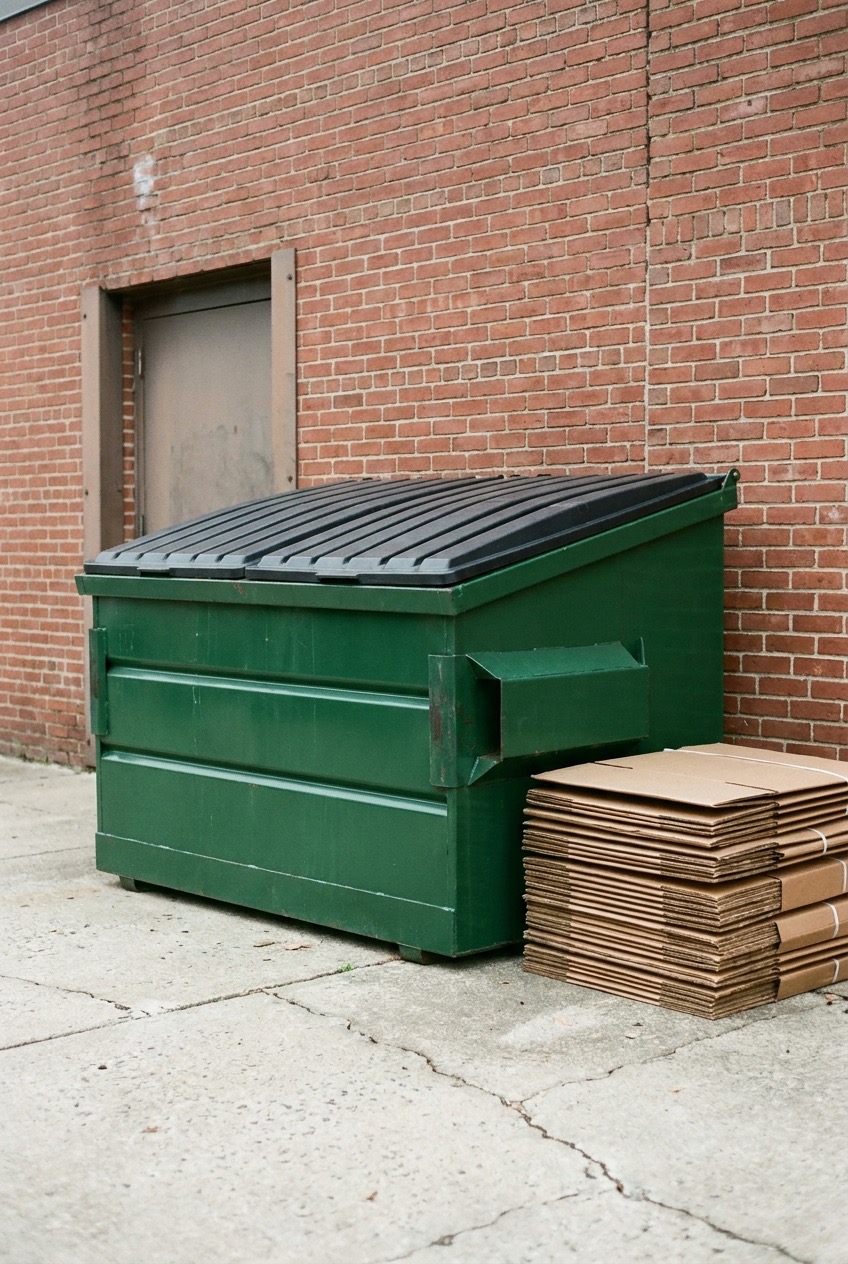
A front-load dumpster is a smaller, enclosed container with a hinged lid and slots on the sides that allow a front-loading garbage truck to pick it up, empty it into the truck's hopper, and set it back down. Front-load dumpsters are designed for ongoing waste collection, not one-time projects.
Front-load dumpsters come in sizes ranging from 2 cubic yards to 8 cubic yards. They are rented on a long-term basis (typically month-to-month or with annual contracts) and are emptied on a regular schedule (once a week, twice a week, or daily, depending on your needs).
Common uses for front-load dumpsters:
- Restaurants and food service businesses
- Retail stores and shopping centers
- Office buildings and commercial complexes
- Apartment communities and HOAs
- Schools, churches, and community organizations
- Manufacturing and warehouse facilities
Key Differences at a Glance
Size and capacity. Roll-off dumpsters are significantly larger. The smallest roll-off (10 yards) holds more than the largest standard front-load (8 yards). If you have a large volume of waste to dispose of at once, a roll-off is the only option that makes sense.
Rental structure. Roll-offs are temporary rentals priced per delivery. Front-loads are long-term rentals priced on a monthly basis with a scheduled pickup frequency. The pricing models are fundamentally different because the use cases are fundamentally different.
Waste type. Roll-offs are designed to handle bulky, heavy, and irregularly shaped waste: construction debris, furniture, appliances, roofing materials, and yard waste. Front-loads are designed for bagged household and commercial trash, the everyday waste stream from a business or multi-family property.
Pickup method. Roll-offs are picked up in their entirety. The truck removes the full container and either returns it empty or replaces it with another one. Front-loads are emptied in place. The truck lifts the container, dumps its contents into the truck, and sets it back down.
Placement. Roll-offs are placed temporarily on driveways, parking lots, or job sites. They require a flat surface and enough clearance for the delivery truck. Front-loads are placed permanently (or semi-permanently) in a designated enclosure or pad, usually behind or beside a building.
When to Choose a Roll-Off
Choose a roll-off dumpster when your waste disposal need is temporary and project-based. If you are doing a renovation, cleaning out a property, tearing off a roof, or managing construction debris, a roll-off is the right tool. You fill it, call for pickup, and it is gone.
Roll-offs are also the right choice when you are dealing with large, bulky items that would not fit through the lid of a front-load container. Construction materials, furniture, mattresses, large appliances, and demolition debris all require the open-top access that only a roll-off provides.
When to Choose a Front-Load
Choose a front-load dumpster when your waste disposal need is ongoing and routine. If you are a business that generates a steady stream of trash every day or every week, a front-load container with scheduled pickups is far more cost-effective than repeatedly renting roll-off dumpsters.
Front-loads are also better for situations where space is limited and the container needs to be compact, enclosed, and permanently placed. The lidded design keeps out rain, animals, and wind-blown litter, making it suitable for commercial properties where appearance and cleanliness matter.
Can You Use Both?
Absolutely. Many businesses use a front-load dumpster for their daily waste and rent a roll-off dumpster when they have a one-time project: a tenant improvement, a warehouse cleanout, or a parking lot renovation. The two container types are complementary, not mutually exclusive.
At Ultimate Dumpsters, we offer both roll-off and front-load solutions. Whether you need a one-time rental for a weekend project or a permanent waste management solution for your business, we will help you choose the right container type and size for your situation.