Moving Less Stuff Saves Real Money
The average cost of a local move is $1,400. The average cost of a long-distance move is $4,800. Those numbers go up with every box, every piece of furniture, and every pound of stuff the movers have to load, transport, and unload. Moving companies charge by weight, by volume, or by the hour, and in every pricing model, less stuff means lower costs.
Beyond the direct financial savings, moving with less is simply easier. Fewer boxes to pack. Fewer things to unpack. Less time spent deciding where everything goes in the new space. Moving is already one of the most stressful life events. Decluttering before the move makes the entire process faster, cheaper, and less overwhelming.
Start Six Weeks Before Moving Day
The biggest mistake people make is waiting until the week before the move to start packing. By that point, you are in panic mode and everything gets thrown into boxes regardless of whether you actually want it. Starting six weeks out gives you time to sort methodically, sell valuable items, arrange donations, and rent a dumpster for everything that needs to go.
Here is a week-by-week timeline:
Weeks 6-5: Walk through the entire house and identify large items you will not be taking: old furniture, broken appliances, worn mattresses. Start selling valuable items online.
Weeks 4-3: Go room by room through closets, cabinets, drawers, and storage areas. Sort into keep, donate, sell, and trash categories.
Week 2: Rent a dumpster. Load everything in the trash category. Drop off donations. Finalize online sales.
Week 1: Pack what remains. You will be amazed at how much less there is to deal with.
Room-by-Room Toss List
Kitchen
- Expired food, spices, and condiments
- Chipped or mismatched dishes and glasses
- Duplicate utensils and gadgets you never use
- Plastic containers without matching lids
- Stained or warped cutting boards
- Old cookbooks you have never opened
- Worn-out potholders and dish towels
Bedrooms
- Clothing you have not worn in 12+ months
- Shoes that are worn out or no longer fit
- Pillows older than two years
- Bedding for mattress sizes you no longer own
- Broken hangers
- Old magazines and catalogs on nightstands
Bathrooms
- Expired medications and supplements
- Old cosmetics and half-used products
- Stained or threadbare towels
- Travel-size toiletries you will never use
- Broken hair tools and accessories
Living Room
- DVDs, CDs, and VHS tapes (if you have switched to streaming)
- Old remotes for devices you no longer own
- Magazines and newspapers
- Decorative items that do not match your style
- Candles that are mostly burned
Garage and Storage
- Paint cans from the previous homeowner's color choices
- Broken tools and equipment
- Holiday decorations you no longer put up
- Leftover building materials from old projects
- Sports equipment nobody uses
- Boxes of items you packed during your last move and never opened
The Unopened Box Rule
Here is a powerful decluttering principle for movers: if you have boxes from your last move that you never unpacked, do not open them now. If you have gone a full move cycle (or longer) without needing anything in that box, you do not need what is inside. Put the entire box in the dumpster or donation pile without opening it. Opening it invites second-guessing, and second-guessing leads to keeping things you do not need.
What to Donate vs. What to Trash
Donate: Items in good working condition that someone else could use. Furniture without major damage, clean clothing, working electronics, kitchen items, books, toys, and tools all have donation value. Schedule a charity pickup or plan a drop-off trip.
Trash: Items that are broken, stained, worn out, damaged, or missing parts. Nobody wants your stained mattress, broken vacuum, or sofa with cat-shredded cushions. These go in the dumpster without guilt.
Sell: Items of significant value: quality furniture, electronics, power tools, designer items, collectibles. List them online at least three weeks before the move. Price to sell fast, not to maximize return. If it does not sell by moving week, donate it.
Dumpster Rental for Moving
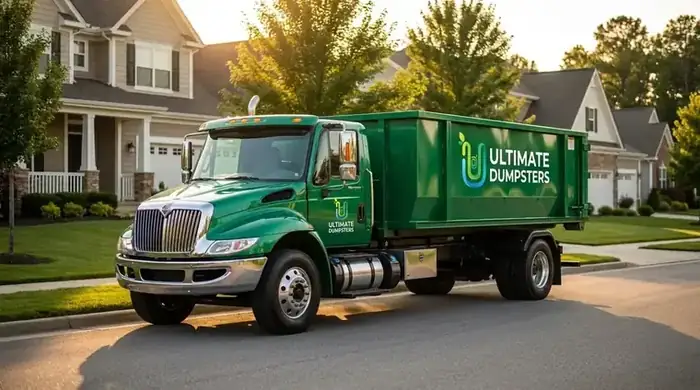
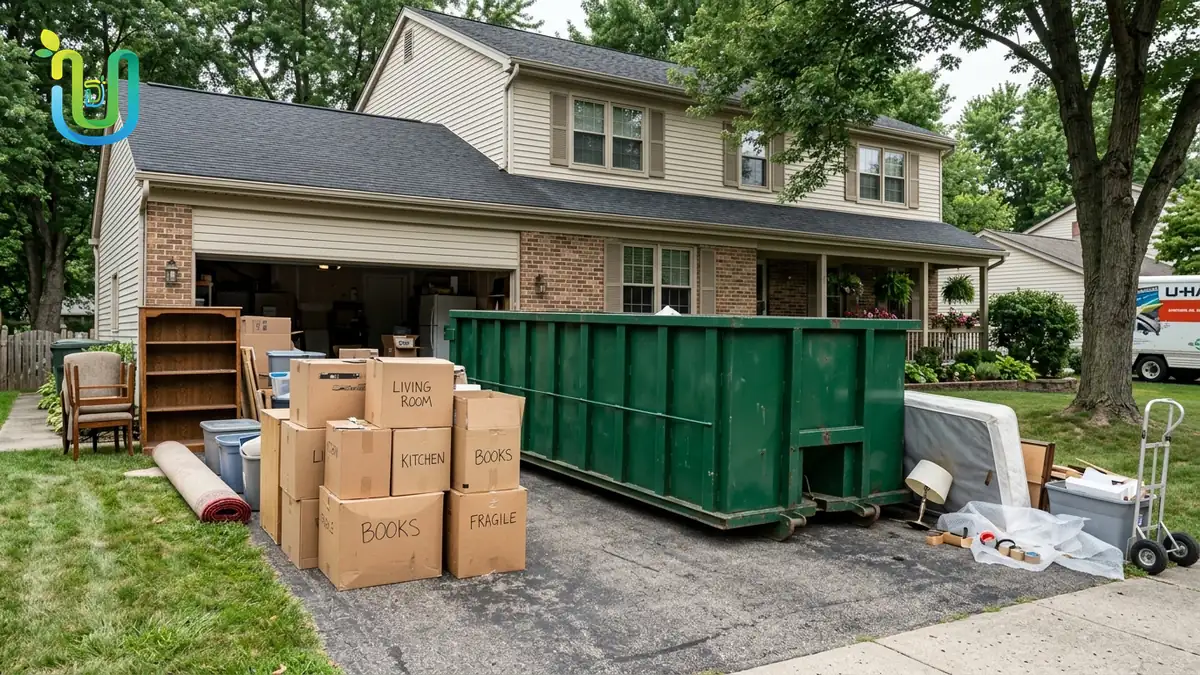
A 10-yard dumpster handles most moving declutter projects. If you are also getting rid of large furniture, a mattress or two, and the contents of a packed garage, step up to a 15-yard. Schedule delivery about two weeks before your move date so you have time to fill it without rushing.
Having a dumpster in the driveway during the decluttering phase changes the psychology of the process. Instead of creating trash piles that sit in the garage and make you reconsider, items go straight from your hand to the dumpster. The decision is made and it is done.
The Fresh Start Payoff
Every item you eliminate before the move is an item you do not have to pack, load, transport, unload, unpack, and find a place for. When you walk into your new home with only the things you actually want and use, the experience is transformative. You are not just moving to a new house; you are starting a new chapter with less baggage, literally and figuratively.
At Ultimate Dumpsters, we help families simplify their moves every day. A dumpster rental is the most efficient way to handle the volume of waste a pre-move declutter generates. Order online, fill it at your pace, and we handle the rest.