After the Storm Passes
The period immediately following a major storm (hurricane, tornado, severe thunderstorm, or ice storm) is chaotic. Downed trees block roads. Power lines lie across yards. Roofing materials are scattered across neighborhoods. Water intrudes into homes through damaged roofs and windows. The impulse is to start cleaning up immediately, but the first priority is always safety.
This guide covers the full storm cleanup process: securing your property, documenting damage, managing debris removal, working with insurance, and getting your property back to normal as efficiently as possible.
Step 1: Safety First
Before touching any debris, assess the situation carefully.
Downed power lines. If you see a downed power line anywhere near your property, stay away and call your utility company immediately. Downed lines can energize the ground, fences, and puddles of water. Assume every downed wire is live until the utility company confirms otherwise.
Structural damage. If your home has visible structural damage (a collapsed wall, a sagging roof, a shifted foundation), do not enter until a structural engineer or building inspector has assessed it. A structure that looks stable can collapse without warning after sustaining storm damage.
Gas leaks. If you smell natural gas inside or outside your home, leave the area immediately and call your gas company. Do not use light switches, flashlights, or anything that could create a spark.
Standing water. Floodwater is contaminated. It may contain sewage, chemicals, debris, and bacteria. Do not wade through standing water unless absolutely necessary, and wear waterproof boots and gloves if you must.
Step 2: Document Everything Before You Touch It
Before you move any debris or make any repairs, document the damage thoroughly with photographs and video. Walk around the entire exterior of your home, photographing damage from multiple angles. Do the same inside. Capture close-ups of specific damage and wide shots that show the overall scope.
This documentation is essential for your insurance claim. Insurance adjusters will need to see the condition of the property before any cleanup or temporary repairs were made. Date-stamped photos and video provide the strongest evidence.
Make a written inventory of damaged items (furniture, appliances, electronics, personal property), including approximate values. The more detailed your documentation, the smoother your insurance claim process will be.
Step 3: Make Emergency Repairs
Once you have documented the damage, take steps to prevent further harm. Cover roof damage with tarps and secure them with boards or weights. Board up broken windows and damaged doors. Remove standing water from interior spaces using pumps or wet vacuums if power is available.
Keep all receipts for emergency supplies and repairs. These costs are typically covered by homeowner's insurance as part of your duty to mitigate further damage.
Step 4: Rent a Dumpster for Debris Removal
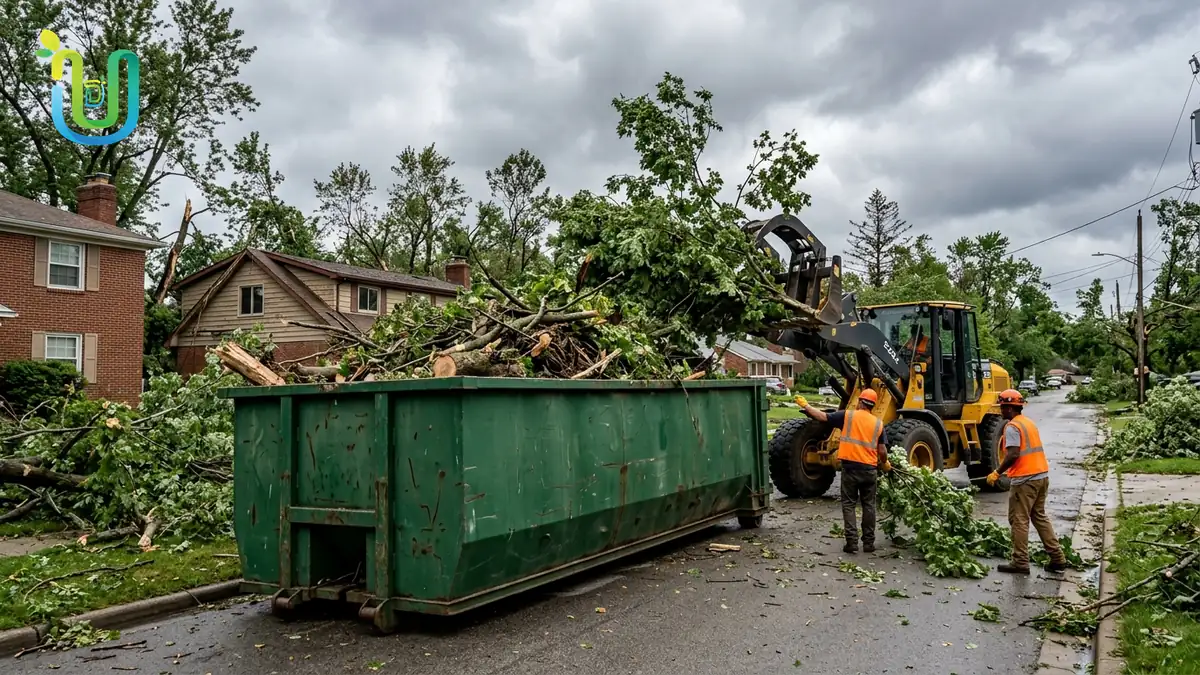
Storm cleanup generates enormous volumes of debris. Fallen trees, broken fencing, damaged siding, roofing materials, ruined furniture, waterlogged drywall and insulation, and general yard debris can easily fill a large dumpster.
For a typical residential storm cleanup, a 20-yard or 30-yard dumpster is appropriate. If your home sustained major structural damage, or if multiple large trees came down, a 40-yard container may be necessary. In severe storm situations, demand for dumpsters spikes dramatically, so call your provider as soon as possible to secure a container.
What can go in the dumpster: Tree limbs and brush (cut to manageable lengths), damaged building materials (siding, roofing, drywall, insulation), broken furniture, ruined carpeting and flooring, general household debris.
What cannot go in the dumpster: Hazardous materials, appliances with refrigerant, electronics, paint, chemicals, and contaminated materials. These require separate disposal even during storm cleanup.
Step 5: Tree and Vegetation Debris
Fallen trees and large branches are often the most visible and voluminous component of storm debris. Small branches can go directly in the dumpster. Large limbs need to be cut into sections with a chainsaw.
If a large tree has fallen on a structure, hire a professional tree service. Removing a tree from a damaged building requires specialized equipment and expertise to avoid causing additional structural damage. Most homeowner's insurance policies cover tree removal when the tree has damaged a covered structure.
For trees that fell in the yard without hitting a structure, some policies provide limited coverage (typically $500 to $1,000 per tree) for removal. Check your policy or call your agent.
Step 6: Water Damage Remediation
Water damage requires prompt action. Mold can begin growing within 24 to 48 hours in warm, humid conditions. If your home sustained water intrusion:
Remove all standing water as quickly as possible. Pull up waterlogged carpet and padding; these cannot be saved and must be discarded. Remove wet drywall to at least 12 inches above the visible water line. Remove wet insulation from wall cavities. Set up fans and dehumidifiers to dry the structure.
If the water damage is extensive, hire a professional water damage restoration company. They have commercial-grade drying equipment and moisture meters to ensure the structure is thoroughly dried before repairs begin.
Step 7: Working with Insurance
File your claim as soon as possible after the storm. Most policies require prompt notification. Provide your documentation (photos, video, and inventory) to the adjuster. Get estimates from licensed contractors for permanent repairs.
Be cautious of storm-chasing contractors who go door-to-door after severe weather. While some are legitimate, others provide substandard work, inflate prices, or disappear before completing the job. Use licensed, insured contractors with established local reputations.
Community Resources
After major storms, local and state agencies often set up debris collection programs, provide free or subsidized dumpster access, and open disaster recovery centers. FEMA assistance may be available if the storm triggers a federal disaster declaration. Check with your local emergency management agency for available resources.
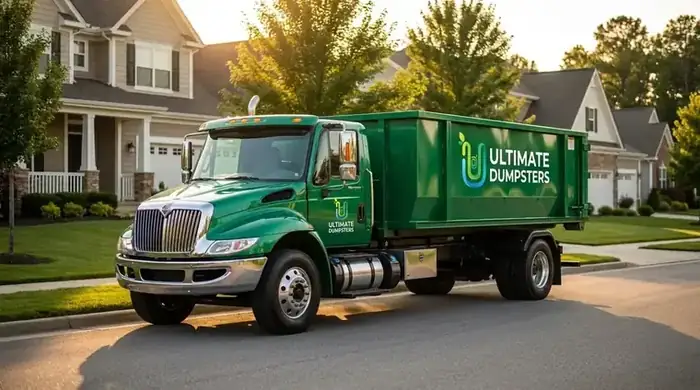
At Ultimate Dumpsters, we prioritize storm cleanup orders and work to get containers deployed as quickly as possible after severe weather events. Our team understands the urgency and can help you choose the right size for your situation. If demand is high, we will give you an honest timeline so you can plan accordingly.