Start With What You Keep
The biggest savings in any bathroom remodel come from not moving things. Plumbing that stays where it is costs far less than plumbing that moves, so plan around the existing toilet, sink and tub or shower locations whenever you can.
12 Ways to Save
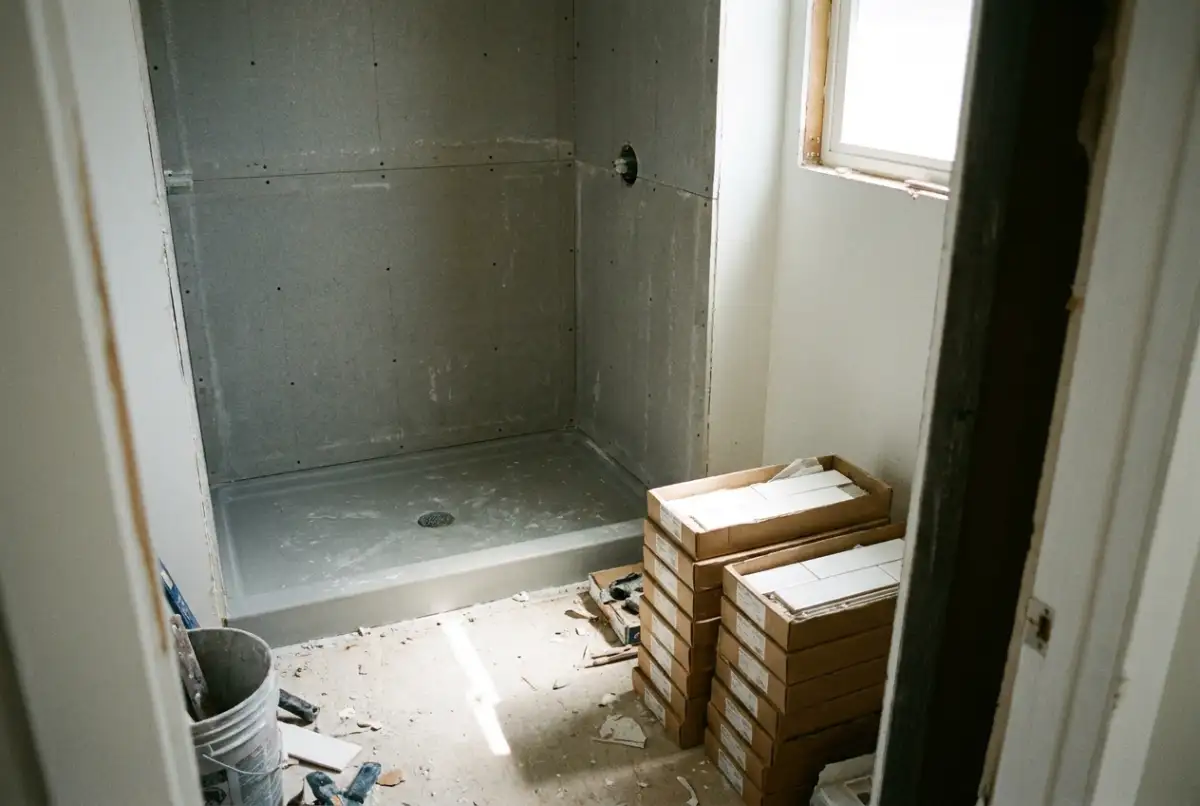
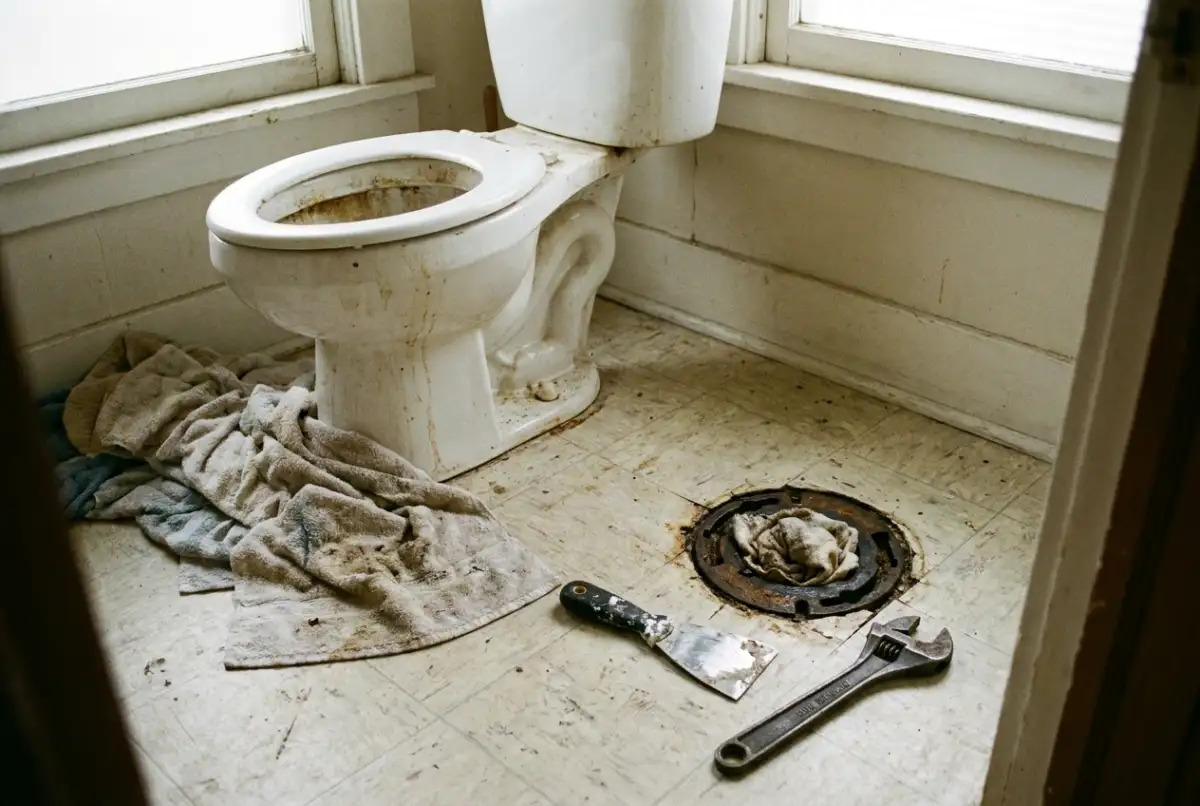
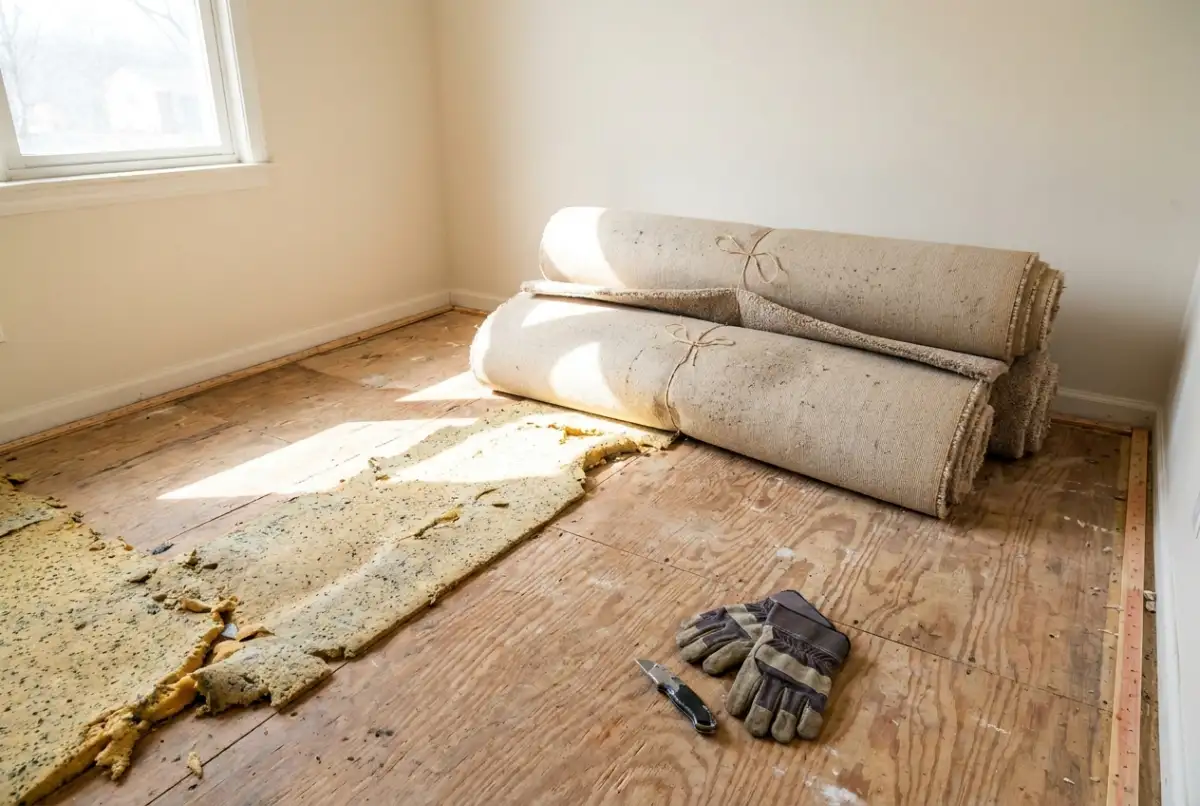
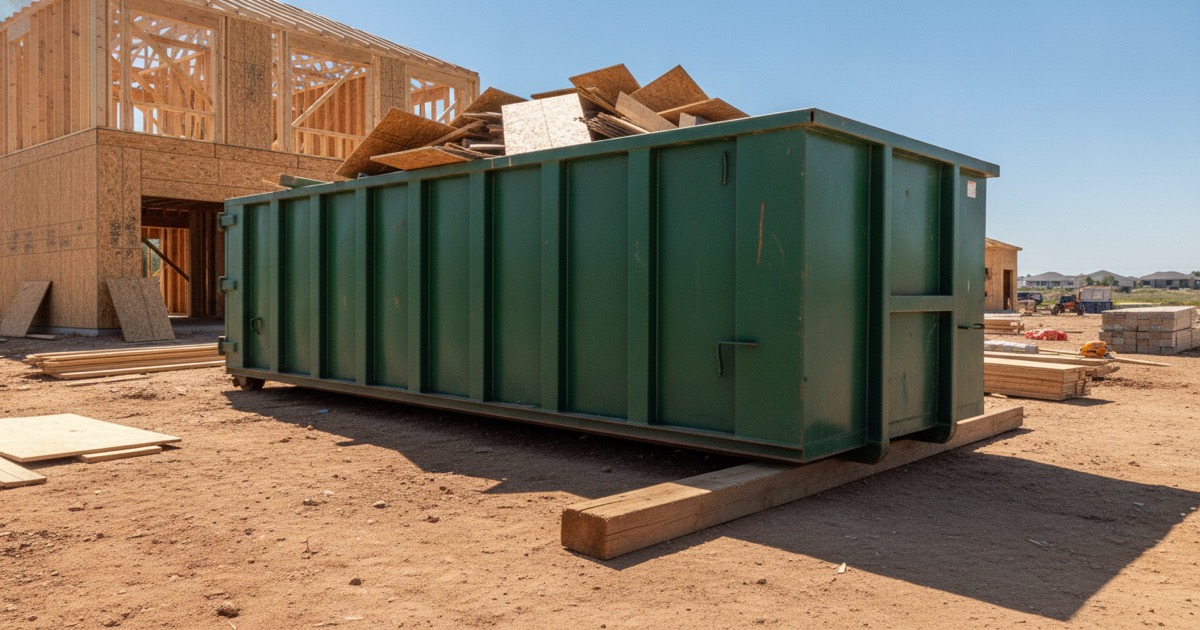
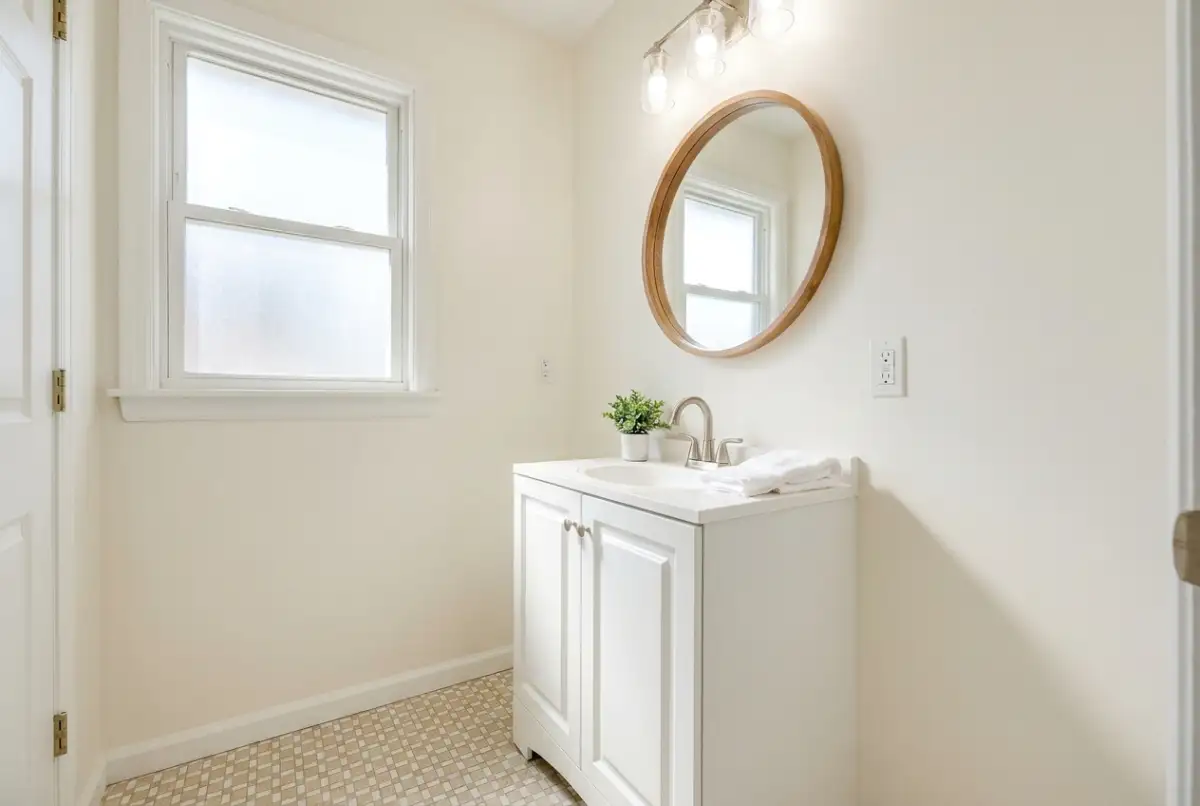
1. Keep the layout. Leave the toilet, sink and tub or shower where they are. 2. Refinish instead of replace. A tub or tile in good shape can often be refinished or regrouted instead of torn out. 3. Paint. Fresh paint in a moisture-resistant bathroom finish changes the room for very little money. 4. Swap fixtures, not plumbing. New faucets, a showerhead, towel bars and a light fixture make a big difference without opening walls. 5. Choose a stock vanity. Off-the-shelf vanities cost far less than custom cabinets. 6. Use large, plain tile. Fewer grout lines mean less labor, and simple tile costs less than mosaics. 7. Tile only the wet areas. Tile the shower and floor, and paint the rest of the walls. 8. Do the demo yourself. Removing fixtures, tile and drywall is unskilled labor you can handle, which saves on paid hours. 9. Hire pros only where it counts. Plumbing and electrical changes often require a licensed pro and a permit. Spend there and save elsewhere. 10. Shop open-box and clearance. Showrooms and big-box stores often sell discontinued tile, vanities and fixtures at a discount. 11. Plan before you buy. Measure twice and order everything before demo starts, so the room is not torn up while you wait on parts. 12. Handle the debris in one go. Old tile, drywall, a vanity and a tub add up fast. One small dumpster is usually cheaper and easier than several trips to the landfill.
How Much Debris Does a Bathroom Remodel Make?
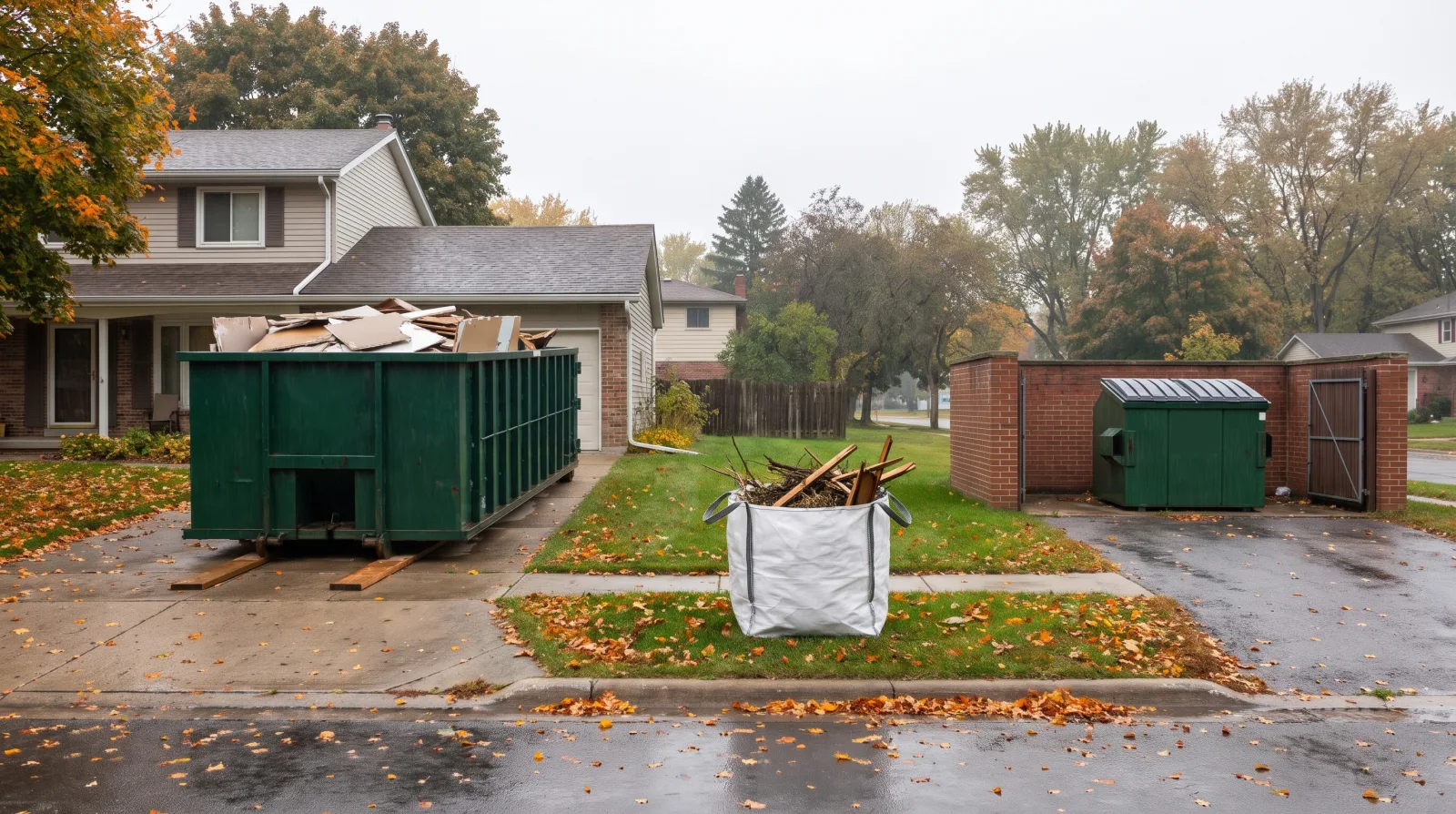
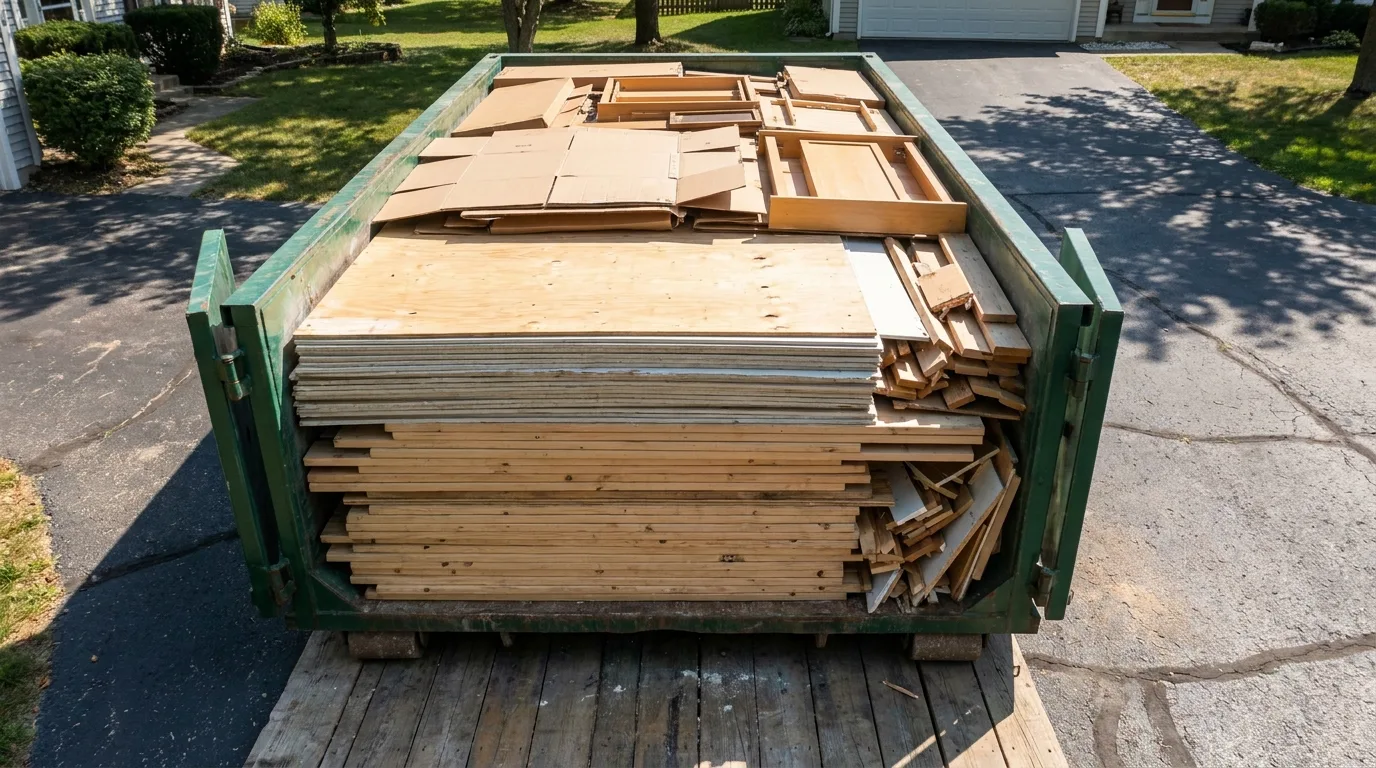
A full gut of a standard bathroom can produce 1,500 to 2,500 pounds of debris, mostly tile, mortar and fixtures. A 10 yard dumpster usually handles it, from $495 all-in. For sizing by bathroom type, see our [bathroom remodel dumpster guide](/blog/bathroom-remodel-dumpster-guide).