Small Room, Big Waste
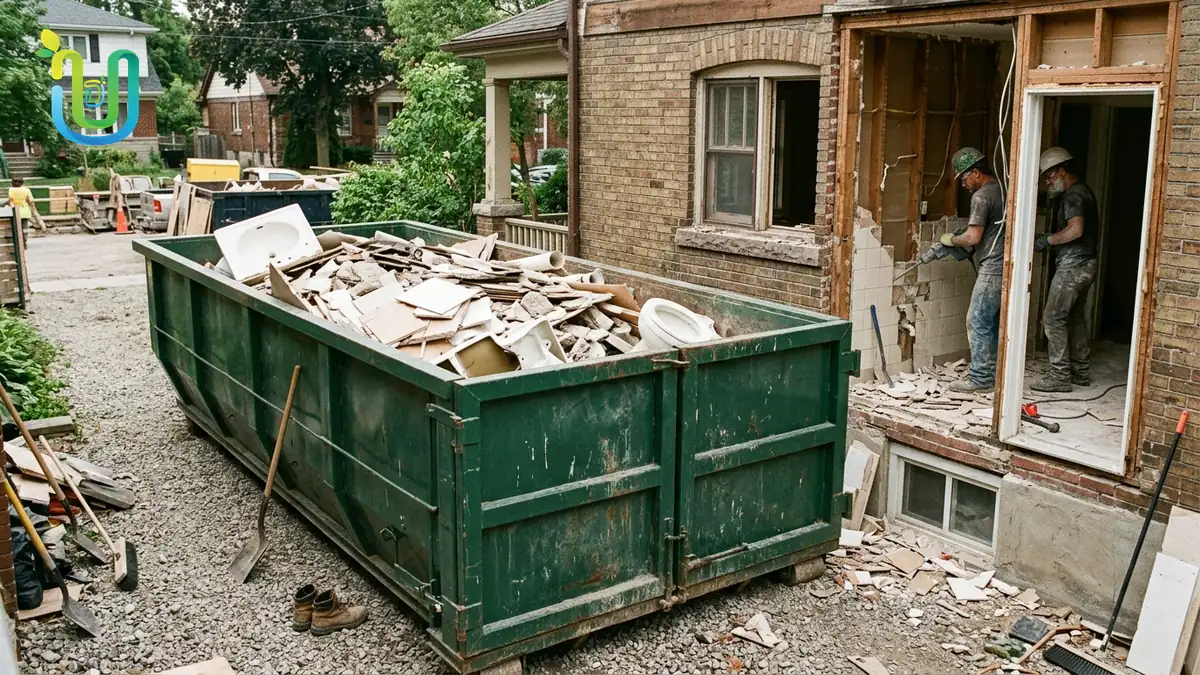
Bathrooms may be the smallest rooms in your house, but they generate a disproportionate amount of renovation waste. Every surface is covered with material that needs to come out: tile on the floors and walls, a vanity with countertop, a toilet, a bathtub or shower enclosure, mirrors, light fixtures, and multiple layers of moisture-resistant drywall or cement backer board behind the tile.
A full gut renovation of a standard 5x8 bathroom typically produces 1,500 to 2,500 pounds of debris. A master bathroom with a separate shower and tub can generate 2,500 to 4,000 pounds. That is a serious amount of weight for a small room, and most of it is concentrated in a few very heavy items: the tile, the tub, and the backer board.
What Comes Out of a Bathroom Demo
Tile and backer board. Ceramic and porcelain tile is heavy: roughly 4 to 6 pounds per square foot when you include the thinset mortar and the cement backer board underneath. A bathroom with 200 square feet of tile (floor plus walls) generates 800 to 1,200 pounds of tile debris alone.
Bathtub. A standard fiberglass or acrylic tub weighs 70 to 100 pounds. A cast iron tub weighs 300 to 400 pounds. If you are removing a cast iron tub, you have two options: wrestle it out whole with several strong helpers, or break it apart with a sledgehammer inside the bathroom. Breaking it up is easier to transport to the dumpster but creates a tremendous amount of noise and mess. Lay down drop cloths and wear hearing protection.
Vanity and countertop. A standard vanity with a laminate or cultured marble top weighs 50 to 100 pounds. A vanity with a granite or quartz countertop can weigh 150 to 250 pounds. Disconnect the plumbing, remove the countertop separately from the cabinet, and carry each piece out individually.
Toilet. A standard toilet weighs 60 to 100 pounds. Turn off the water supply, flush to empty the tank and bowl, disconnect the supply line, remove the tank bolts and lift the tank off, then remove the base from the floor bolts. Stuff a rag in the drain opening to block sewer gas.
Drywall. Moisture-resistant drywall (green board) or cement backer board behind shower and tub surrounds must be removed and replaced during a full renovation. Standard drywall on non-wet walls may be salvageable if it is in good condition.
Which Dumpster Size Do You Need?
Half-bath or powder room renovation: A half-bath involves removing a toilet, vanity, mirror, and potentially flooring and drywall. The total waste volume is typically 2 to 3 cubic yards. A 10-yard dumpster is more than sufficient, and in many cases, you may be able to combine this waste with other small household projects.
Standard full bathroom (5x8): A full gut of a standard bathroom generates 5 to 8 cubic yards of debris. A 10-yard dumpster is the right choice for most standard bathroom renovations.
Master bathroom: Larger master baths with separate showers, tubs, double vanities, and more wall and floor area generate 8 to 12 cubic yards of waste. A 15-yard dumpster provides comfortable capacity with room for the occasional surprise (like discovering a second layer of flooring under the tile).
Multiple bathrooms: If you are renovating two or more bathrooms simultaneously, a 15-yard or 20-yard dumpster is appropriate. Renovating all the bathrooms at once is more disruptive but far more efficient from a waste disposal standpoint.
Timeline and Dumpster Scheduling
A typical bathroom demolition takes one to two days. The reconstruction phase takes one to three weeks depending on complexity. You want the dumpster on site for the demolition phase and ideally for the first few days of reconstruction, when packaging waste from new materials accumulates.
Schedule your dumpster delivery for the day before demolition starts. A standard 7-day rental period covers the demolition and early reconstruction phases. If your contractor works slowly or the project hits delays, you may need to extend the rental by a few days. Budget an extra $10 to $15 per day for extensions.
Protecting Your Home During Demo
Bathroom debris is dusty, heavy, and often sharp. Protect the path between the bathroom and the dumpster:
Lay down heavy-duty drop cloths or ram board on floors along the carry path. Tape plastic sheeting over doorways to adjacent rooms to contain dust. Remove doors from their hinges along the carry route if the debris is bulky. Cover any furniture or fixtures that cannot be moved.
If the bathroom is on an upper floor, plan the carry route carefully. Heavy items like cast iron tubs and tile buckets require multiple people and a clear, protected path down the stairs.
Tips from the Pros
Break tile into manageable pieces before loading it into buckets for transport to the dumpster. Whole sheets of backer board with tile attached are extremely heavy and unwieldy. Score the backer board and snap it into smaller sections.
Disconnect and cap all plumbing before starting demolition. Accidentally breaking a water line during demo can cause significant water damage to the surrounding structure.
At Ultimate Dumpsters, bathroom remodels are one of our most common residential rental types. A 10-yard dumpster handles the vast majority of single-bathroom renovations. Order online, and we will have it in your driveway before demolition day.