Call Now:(866) 858-3867Live agents standing by
ALL THE DEBRIS THAT'S FIT TO DUMP
Nine out of ten dumpsters get filled with two things: construction debris and household junk. The list of what you cannot toss in is short, but getting it wrong can mean a rejected load or a fee. Here is what the box is really for, and the handful of things that need to go somewhere else.
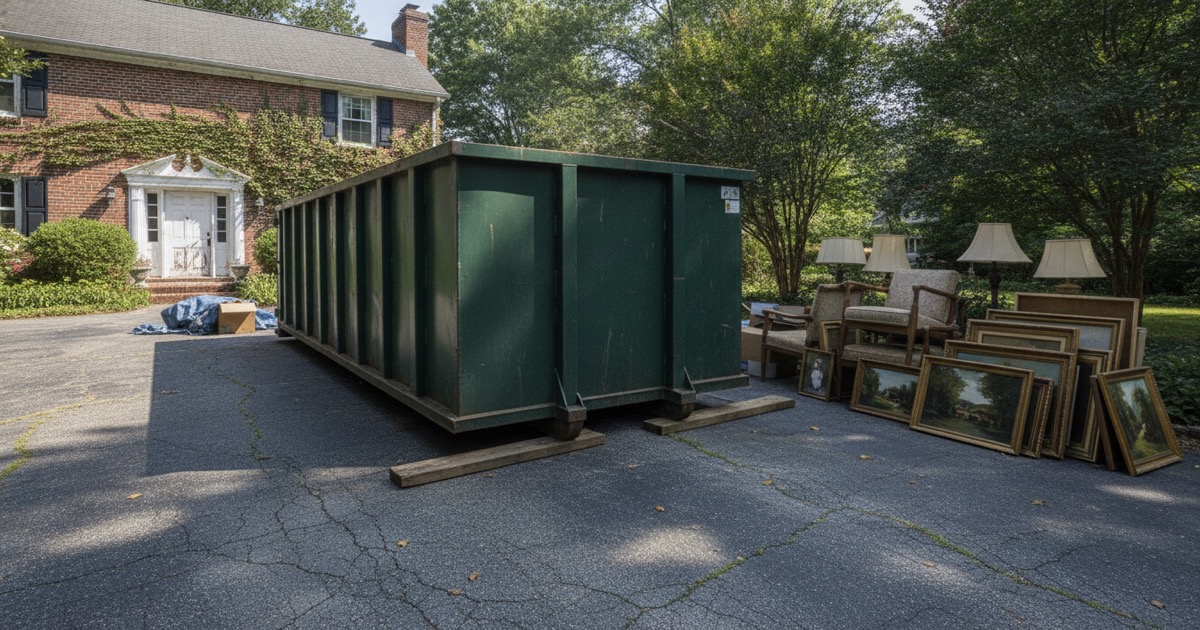
A dumpster is a simple product with a clear job, and the numbers show it. Across our orders, 53.9 percent are construction and demolition debris and 36.4 percent are household junk, so roughly nine in ten boxes are filled with the everyday stuff of a renovation, a cleanout, or a build. Another 3.4 percent is roofing, 2.6 percent is concrete, and the rest is yard waste and dirt. If you are putting drywall, lumber, old furniture, flooring, cabinets, or a garage full of clutter in a box, you are squarely in what it is built for.
The short list of what cannot go in is about safety and the law, not fine print. Hazardous materials are the hard no: wet paint and paint cans, motor oil and other automotive fluids, chemicals and solvents, propane tanks and aerosols, asbestos, and anything flammable or corrosive. These are banned because the landfill cannot legally take them, not because we are being difficult.
A second group is not hazardous but still needs a different path: tires, car batteries, electronics, appliances with refrigerant like refrigerators and AC units, and often mattresses. Many of these have their own recycling or take-back programs, and a lot of them are free to drop off if you know where to look. We would rather point you to the right place than have a load get flagged at the scale.
The reason it matters is the weight ticket and the rejected-load fee. A box that shows up with banned material can be refused or hit with a surcharge, and that is a bad surprise on a job. The rules also shift a little by state, so the safe move is simple: renovation and cleanout debris goes in the box, hazardous and special-handling items go to their own program, and if you are not sure about one item, ask before it goes in.
Share of Ultimate Dumpsters roll-off orders by the primary material going in the box, from the order ledger. Construction and household together are roughly nine in ten loads. Shares are directional and exclude cancelled orders.
“I have helped thousands of first-time renters, and the one question every one of them has is what am I allowed to put in this. The honest answer is easy: renovation and cleanout debris, all day. The short list of no is paint, oil, chemicals, tires, batteries, and anything with refrigerant. Ask me about any single item and I will tell you exactly where it should go, most of the special ones you can even recycle for free.”
Judi K., Site Services Specialist
Ninety percent of what people throw out is exactly what the box is for, construction debris and a house full of stuff. The prohibited list is not us being picky, it is what the landfill legally cannot accept. Wet paint, motor oil, solvents, propane, asbestos, those get a load rejected at the scale and can put a surcharge on your job. Tell us what you are tossing and we make sure the whole load is clean before it ever leaves.
Here is the part that saves people money: the special-handling items are almost all recyclable, and often for free. Tires, car batteries, electronics, a refrigerator or an AC unit with refrigerant, those have their own take-back programs in most towns. I would rather spend two minutes pointing a customer to the right drop-off than have their dumpster load flagged. It is the same reason I tell first-timers to ask before an item goes in, never after.
On the commercial and multi-site accounts, the prohibited list is a compliance issue, not a suggestion. A contaminated load is a rejected load, a redelivery, and a delay the whole crew pays for. We keep it clean on the front end: one clear rule for the crew, hazardous and special items staged separately, everything else in the box. Do it right once and it never becomes a problem on the schedule.
The rules move a little from state to state, and that trips people up on a big job across markets. The safe habit is the same everywhere: renovation and cleanout debris goes in, hazardous and refrigerant items go to their own program, and clean concrete or dirt rides in a dedicated load we price on its own. When a customer runs jobs in more than one state, we set the standard so nobody has to guess at each site.
Almost all everyday debris is fine: construction and demolition material like drywall, lumber, flooring, and cabinets, plus household junk, furniture, and cleanout clutter. In our orders that is roughly nine in ten loads. What cannot go in is a short list built around safety and the law. Hazardous materials are the hard no: wet paint, motor oil and automotive fluids, chemicals and solvents, propane tanks and aerosols, and asbestos, because the landfill cannot legally take them. A second group is not hazardous but needs its own path: tires, car batteries, electronics, appliances with refrigerant like refrigerators and AC units, and often mattresses, many of which recycle for free through local take-back programs. Rules vary a little by state, and a contaminated load can be rejected or hit with a fee, so the safe move is to keep hazardous and special-handling items out of the box and ask us about any single item you are unsure of.
The full prohibited-items list →Placed by the desks of Ultimate Dumpsters. Every listing is real.
NOT SURE ABOUT AN ITEM?. Ask before it goes in the box. Our team tells you straight what is allowed and points you to a free recycling drop for the special stuff.
SEE THE LIST →SEE YOUR REAL RATE. No games, no delivery-only headline. Enter your ZIP and job and get a guaranteed, deliverable price you can book right now.
ORDER ONLINE →SIZE IT RIGHT. Household cleanout or a full demo, the right box saves you a second haul. See what fits each size.
SIZE GUIDE →AN ADVERTISEMENT FROM THE PUBLISHER
The Box Arrives Before The Coffee Is Done
(866) 858-3867or skip the call entirely
Order online in about 2 minutesExact local pricing, tonnage and rental days included, e-sign and pay from your phone.
Material shares computed from the Ultimate Dumpsters roll-off order ledger, by the primary material recorded on each non-cancelled order. Prohibited and special-handling items reflect our standing disposal policy and general US landfill rules; specifics vary by state and locality. Shares are directional, not exact accounting. Published weekday mornings by Ultimate Dumpsters. Vol. I · No. 9.